
 Save to Pinterest
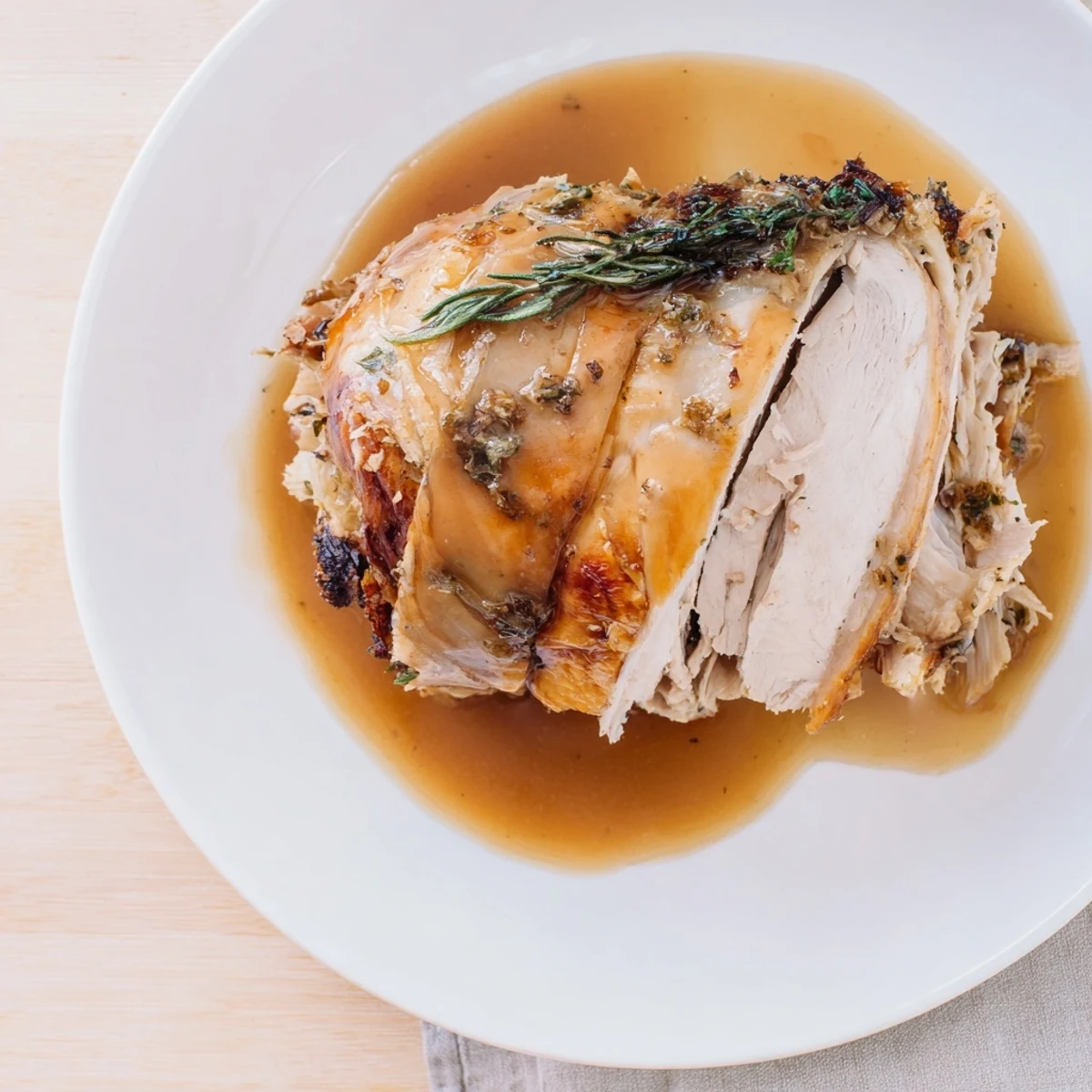
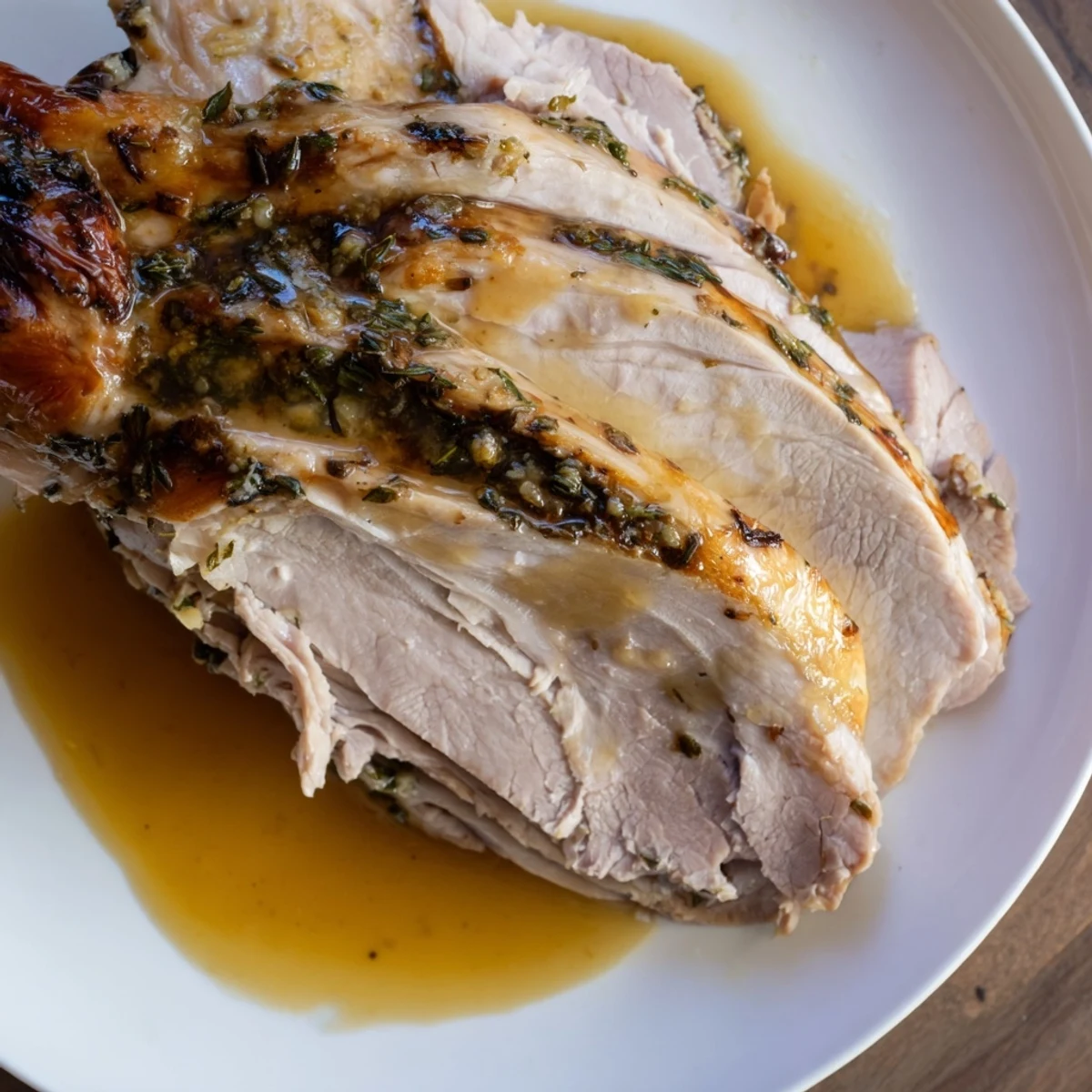
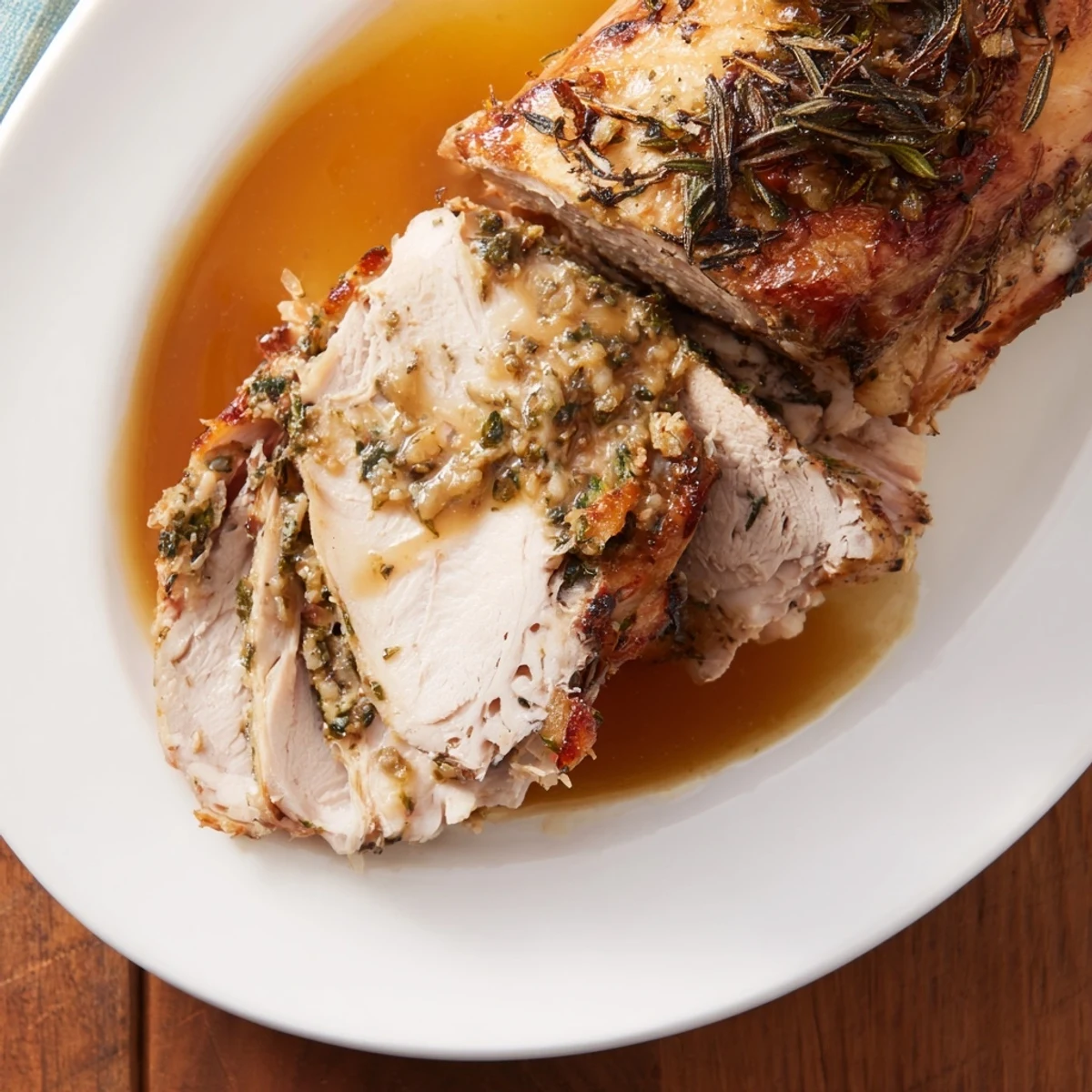
 This festive turkey showcases a blend of fresh herbs like rosemary, thyme, and parsley mixed with garlic and lemon zest, creating a juicy, aromatic roast. Gently rubbed under the skin and over the bird, the herb butter locks in moisture during roasting. Optional stuffing with lemon, onion, celery, and carrot adds subtle flavors. Finished with a savory gravy made from pan drippings and broth, this dish serves 8 and pairs beautifully with classic spring sides.
The smell of rosemary and lemon butter wafting through the house on Easter morning still takes me back to my grandmother's tiny kitchen. She believed turkey wasn't just for Christmas, and her spring version with fresh herbs felt like awakening the whole house from winter. I've adapted her techniques over the years, but that first bite of juicy, fragrant meat never fails to make everything feel right with the world.
Last year, I decided to surprise my family by making this for Easter instead of the usual ham. My teenage son, who usually picks at holiday meals, went back for thirds. That's when I knew this turkey had officially earned its permanent spot on our spring table.
Ingredients
- Whole turkey (10-12 lbs): A fresh bird tastes best, but thawed frozen works perfectly. Let it sit at room temperature for 30 minutes before cooking
- Olive oil: Helps achieve that gorgeous golden brown skin and keeps the exterior moist during roasting
- Unsalted butter: Softened to room temperature so it blends seamlessly with herbs and slips easily under the skin
- Fresh garlic: Three cloves give just enough mellow sweetness without overpowering the delicate herbs
- Fresh rosemary, thyme, and parsley: The combination of these three herbs creates that classic aromatic profile everyone associates with holiday roasts
- Lemon: Both zest for the butter and wedges for the cavity, adding bright acidity that cuts through the rich meat
- Aromatics (onion, celery, carrot): These humble vegetables steam inside the turkey, infusing it with subtle flavor from within
- Turkey broth: The foundation of your gravy, so choose a good quality one or save some from your holiday prep
- All-purpose flour: Creates the velvety smooth texture that makes homemade gravy infinitely better than store-bought
Instructions
- Prepare your oven and workspace:
- Preheat to 175°C (350°F) and clear enough counter space. Remove giblets from the cavity and pat the turkey completely dry with paper towels—this step is crucial for crispy skin.
- Make the herb butter:
- Mix softened butter, minced garlic, chopped rosemary, thyme, parsley, and lemon zest in a bowl until well combined. The aroma will hit you immediately and you'll know you're on the right track.
- Season under the skin:
- Gently use your fingers to separate the skin from the breast meat, starting from the neck end. Rub half the herb butter underneath, being careful not to tear the skin. This technique is what restaurant chefs do to ensure moisture.
- Coat the exterior:
- Rub the remaining herb butter all over the outside of the turkey. Season generously with salt and pepper, both inside and out. Don't be shy with the seasoning—a large bird needs flavor throughout.
- Add aromatic filling:
- Stuff the cavity with lemon quarters, onion, celery, and carrot chunks. These will release steam and flavor during cooking. Don't pack it too tightly or air won't circulate properly.
- Truss the turkey:
- Tie the legs together with kitchen twine and tuck the wing tips under the body. This helps the turkey cook evenly and look picture-perfect when it comes out of the oven.
- Start the roast:
- Place turkey breast-side up on a rack in a large roasting pan. Brush with olive oil for extra browning. The rack is essential—it keeps the turkey from sitting in its juices and cooking unevenly.
- Roast to perfection:
- Cook for 2 to 2½ hours (about 13-15 minutes per pound), basting with pan juices every 45 minutes. If the breast browns too quickly, tent loosely with foil. Your house will smell amazing by now.
- Check for doneness:
- Insert a meat thermometer into the thickest part of the thigh (not touching bone). It should read 74°C (165°F). This is the only reliable way to know your turkey is safely cooked without being dry.
- Let it rest:
- Transfer to a cutting board and cover loosely with foil for 20-30 minutes. This resting period allows juices to redistribute throughout the meat. I know it's tempting to carve immediately, but patience pays off here.
- Make the gravy:
- Skim excess fat from the pan drippings. Place roasting pan over medium heat, add flour, and cook for 2 minutes while stirring constantly. Gradually whisk in broth and simmer until thickened. Season with salt and pepper. This gravy will be worth every minute of effort.
 Save to Pinterest
 One Easter, my neighbor smelled the roasting turkey and came over with a bottle of wine. We ended up having an impromptu pre-dinner tasting session in the kitchen while the gravy bubbled. Those spontaneous moments, centered around good food, are what holidays are really about.
The Secret to Perfect Gravy
I learned this trick from a chef friend: after you skim the fat, taste the drippings before making the gravy. Sometimes they need a splash more wine or a pinch of sugar to balance the flavors. Trust your palate and adjust before adding the flour—once that thickener goes in, you can't easily fix the flavor profile.
Timing Your Feast
Work backwards from when you want to eat. The turkey needs 30 minutes of resting time, plus about 15 minutes to carve. I always factor in an extra 30-minute buffer because turkeys have their own schedule. No one has ever complained about food being ready early, but late dinners create unnecessary stress.
Make-Ahead Mastery
The herb butter can be prepared three days in advance and stored in an airtight container. You can even clean and chop your aromatic vegetables the day before and keep them in the refrigerator. This prep work means you're not scrambling while your guests are arriving, making you look like the calm, collected host you secretly are.
- Mix your herb butter while watching television the night before—it's oddly therapeutic
- Set your roasting pan on the counter with all your tools ready before starting any prep
- Keep a glass of wine nearby for basting—some goes in the basting brush, some goes in the cook
 Save to Pinterest
 There's something profoundly satisfying about placing a golden roasted turkey at the center of your Easter table. It's more than a meal—it's the anchor that holds all the laughter, stories, and memories of the day together.
Recipe Questions & Answers
- → How do I keep the turkey moist while roasting?
-
Rubbing herb butter under the skin helps retain moisture. Basting with pan juices every 45 minutes also keeps the meat juicy.
- → Can I prepare the herb butter in advance?
-
Yes, the herb butter can be mixed a day ahead and refrigerated to let the flavors meld before applying.
- → Is stuffing the cavity necessary?
-
Stuffing is optional and used here for added aromatic flavor and moisture during roasting.
- → How do I make a gluten-free gravy?
-
Substitute all-purpose flour with cornstarch when thickening the pan juices to keep it gluten-free.
- → What internal temperature indicates the turkey is done?
-
The turkey is fully cooked when a thermometer inserted into the thickest thigh reads 74°C (165°F).