
 Save to Pinterest
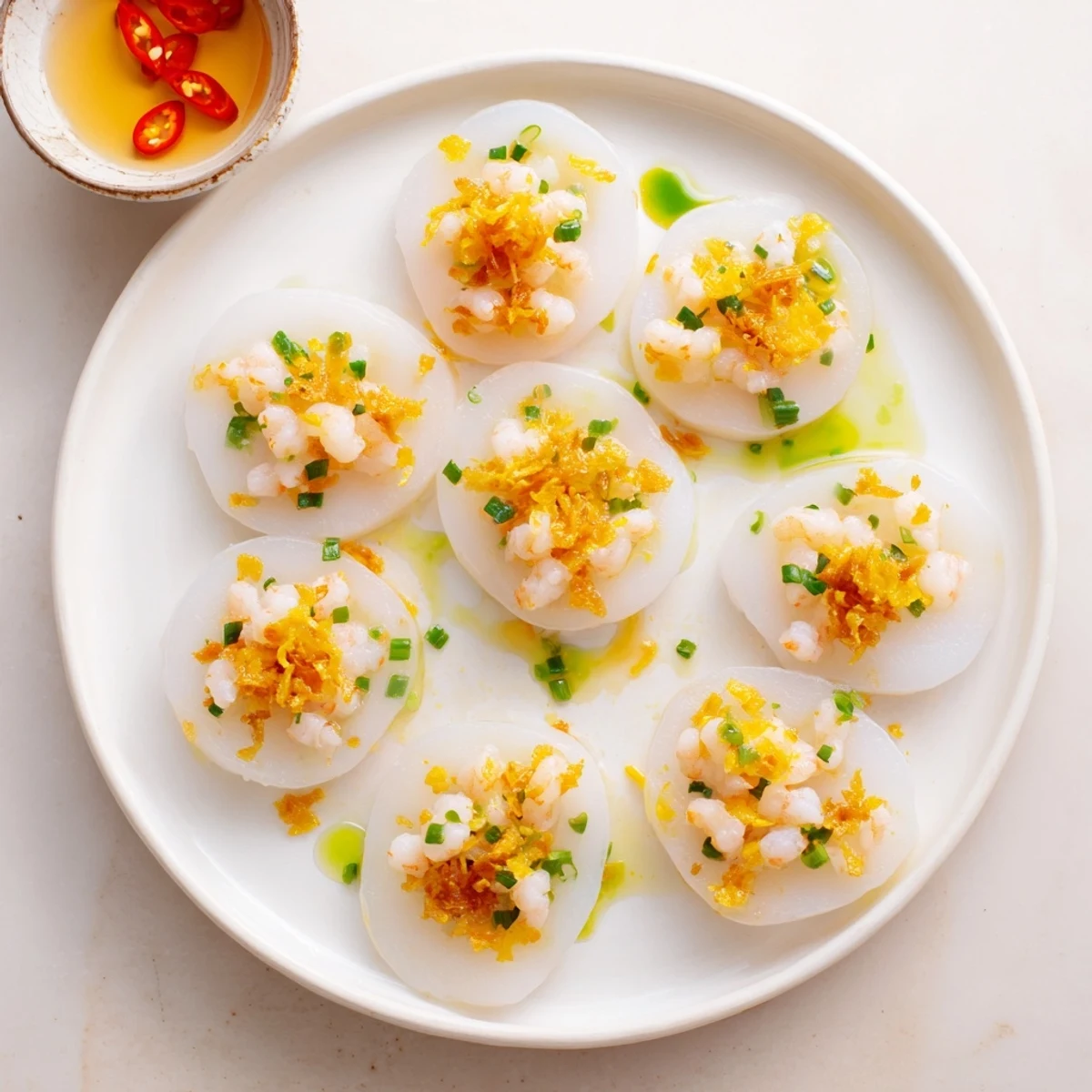
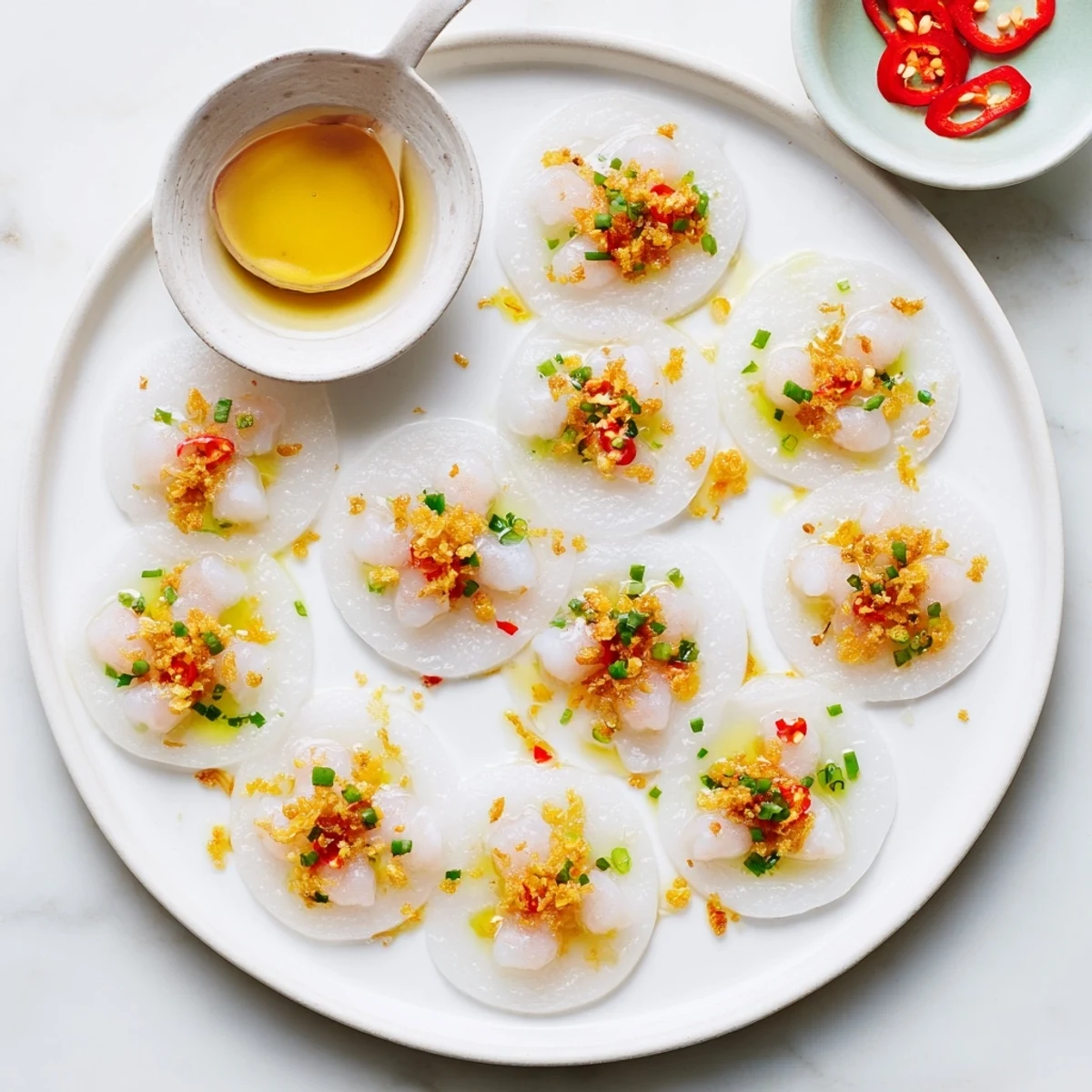
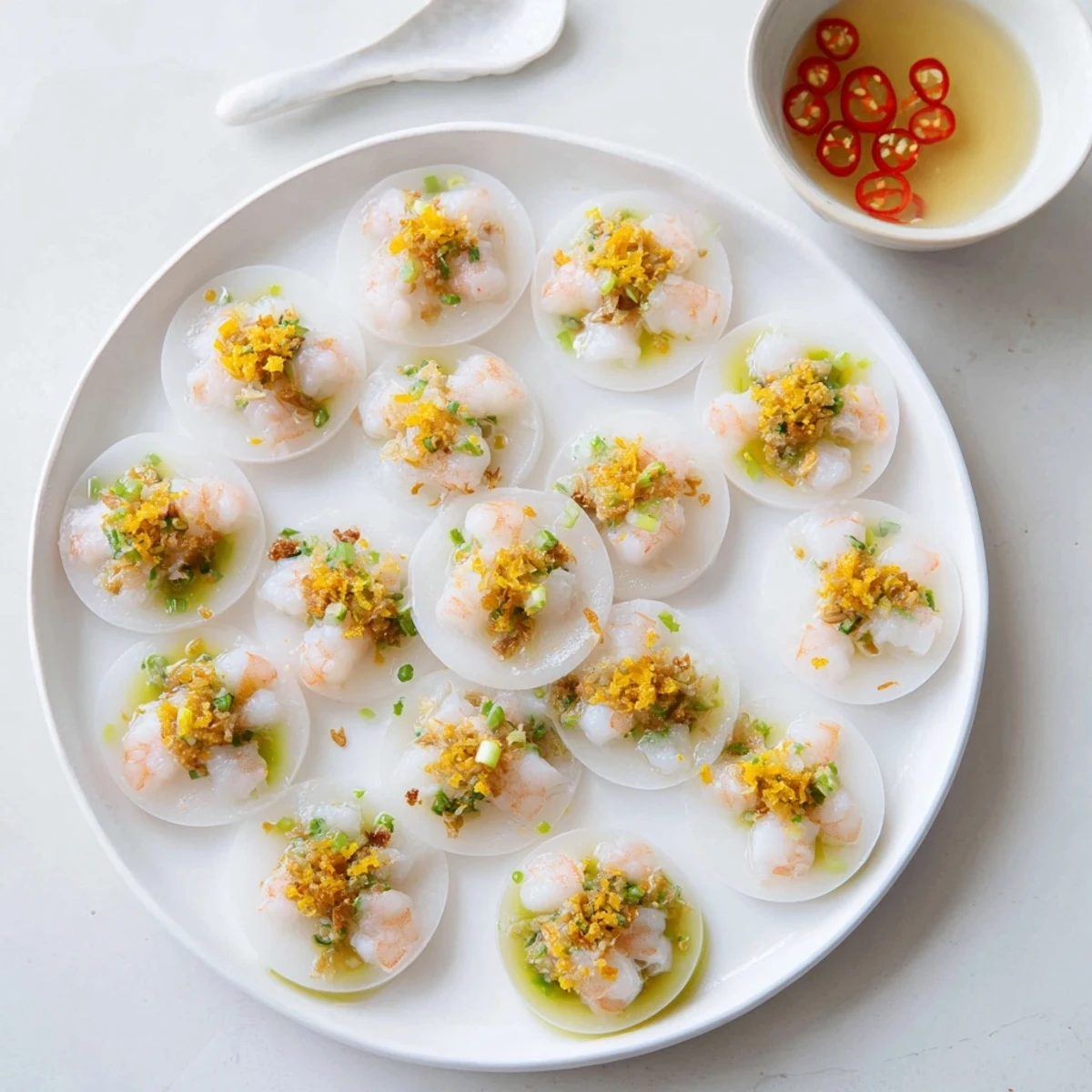
 Banh Beo features delicate steamed rice cakes made from rice flour and tapioca, creating a soft, translucent base. Each cake is crowned with seasoned shrimp, aromatic scallion oil, and crispy fried shallots. The dish gets its signature depth from a tangy fish sauce dipping sauce with lime and fresh chili.
These Vietnamese bites offer layers of texture—the silky cake contrasts beautifully with the savory crunch of toppings. Steaming creates the perfect consistency, while the assembly process makes them ideal for serving guests at gatherings.
The first time I had banh beo was at my aunt's house in Da Nang. She set down a tray of these delicate white discs, and I thought they were some kind of fancy pudding. One bite of that savory shrimp topping with the scallion oil completely changed my understanding of what a rice cake could be. I've been chasing that perfect texture ever since.
Last summer I made these for a dinner party and watched my guests' faces light up with curiosity. Nobody knew quite how to eat them at first, but once someone took that first bite and explained the technique, suddenly everyone was reaching for more. There's something about having your own tiny cake that makes people feel taken care of.
Ingredients
- Rice flour: This creates the foundation of that signature tender but slightly chewy texture we're after
- Tapioca starch: The secret ingredient that gives the cakes their beautiful translucent finish
- Raw shrimp: Fresh shrimp chopped small creates those bursts of sweet seafood flavor in every bite
- Scallions: Pouring hot oil over scallions releases their aromatic oils in a way cold cooking never achieves
- Fried shallots: These add an essential crispy element that contrasts with the soft rice cakes
- Fish sauce: Use a good quality brand here since it's the backbone of the dipping sauce
Instructions
- Mix your batter:
- Whisk rice flour, tapioca starch, water, salt, and 1/2 tsp oil until completely smooth, then let it rest for 10 minutes so the starches can hydrate properly.
- Cook the shrimp topping:
- Sauté finely chopped shallot in oil until fragrant, add chopped shrimp with salt, sugar, and pepper, then stir-fry until the shrimp are cooked through and most moisture has evaporated.
- Make scallion oil:
- Heat 2 tbsp oil until it shimmers, pour it over sliced scallions in a heat-proof bowl, and stir gently to release all those aromatic oils.
- Steam the rice cakes:
- Grease small heatproof dishes, pour about 2 tbsp of batter into each, steam covered for 7-8 minutes until set and translucent, then repeat until all batter is used.
- Prepare the dipping sauce:
- Whisk together fish sauce, sugar, lime juice, water, and sliced chili until the sugar completely dissolves.
- Assemble and serve:
- Top each cooled rice cake with shrimp mixture, drizzle with scallion oil, sprinkle with crispy shallots and mung bean paste, then serve warm with the dipping sauce.
 Save to Pinterest
 My daughter now requests these for her birthday dinner every year. She sits on the counter helping me grease the little dishes and pour the batter, and it's become this sweet ritual we both look forward to. Food memories are really just about who you share them with.
Getting That Perfect Steamer Setup
I learned the hard way that you need a lid with a good seal. Steam escaping means uneven cooking and some cakes turning out gummy while others remain underdone. A kitchen towel wrapped around the lid helps trap moisture and prevent condensation from dripping onto your delicate rice cakes.
The Art of Shrimp Topping
Don't rush the shrimp cooking step. You want to cook out most of the moisture so the topping clings to the rice cakes instead of making them soggy. The texture should be almost like a finely chopped confit with those concentrated sweet shrimp flavors.
Make-Ahead Strategy
You can prepare all the components ahead of time and keep them separate. The rice cakes actually steam up beautifully if needed, though they're best freshly made. When I'm hosting, I set everything out in small bowls and let people assemble their own.
- Set up a little topping station so guests can customize their cakes
- Keep extra dipping sauce handy because people always want more
- Have warm plates ready so the cakes don't cool down too quickly
 Save to Pinterest
 These little rice cakes have a way of bringing people together. Something about sharing a tray of them makes conversation flow easier.
Recipe Questions & Answers
- → What does Banh Beo taste like?
-
Banh Beo offers a delicate combination of soft, slightly chewy steamed rice cakes paired with savory, seasoned shrimp. The scallion oil adds aromatic richness, while crispy shallots provide crunch. The dipping sauce balances everything with sweet, sour, and salty notes from fish sauce, lime juice, and sugar.
- → Can I make Banh Beo ahead of time?
-
You can prepare components ahead—the shrimp topping, scallion oil, and dipping sauce keep well in the refrigerator for 1-2 days. However, steamed rice cakes are best served fresh within a few hours of cooking. If storing, reheat gently by steaming again for 1-2 minutes to restore texture.
- → What can I use if I don't have small dishes for steaming?
-
You can use ramekins, small saucers, custard cups, or even the lids of mason jars. Any heatproof container about 3 inches in diameter works. Alternatively, line a regular steamer basket with banana leaves or parchment paper and pour batter directly to create one large cake, then slice into portions.
- → Is Banh Beo gluten-free?
-
Traditional Banh Beo is naturally gluten-free as it uses rice flour and tapioca starch. However, always verify your fish sauce is gluten-free, as some brands contain wheat. Use tamari or coconut aminos instead if needed. The dish remains gluten-free when using appropriate condiments.
- → How do I get the rice cakes translucent?
-
The key is using the right ratio of rice flour to tapioca starch and steaming until fully set. Don't under-steam—7-8 minutes typically achieves translucency. The batter should be thin, similar to crepe consistency. Letting it rest 10 minutes before steaming also helps achieve the proper texture.
- → What's a good vegetarian alternative to shrimp?
-
Sautéed shiitake mushrooms work beautifully as a savory, umami-rich substitute. Season them the same way as shrimp with salt, sugar, and pepper. You can also use crumbled firm tofu, finely chopped and pan-fried until slightly crispy. Replace fish sauce with soy sauce or a vegetarian fish sauce alternative.