
 Save to Pinterest
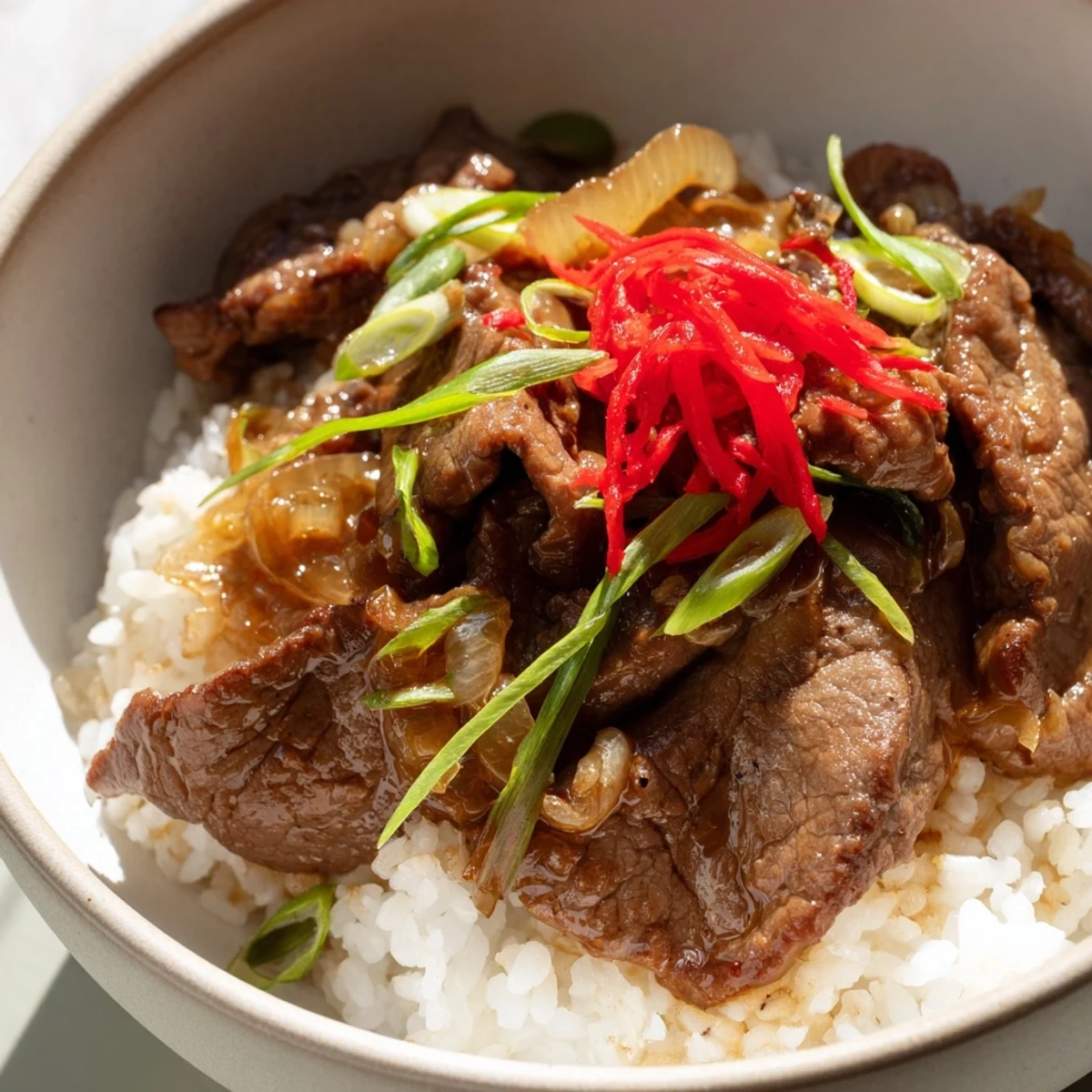
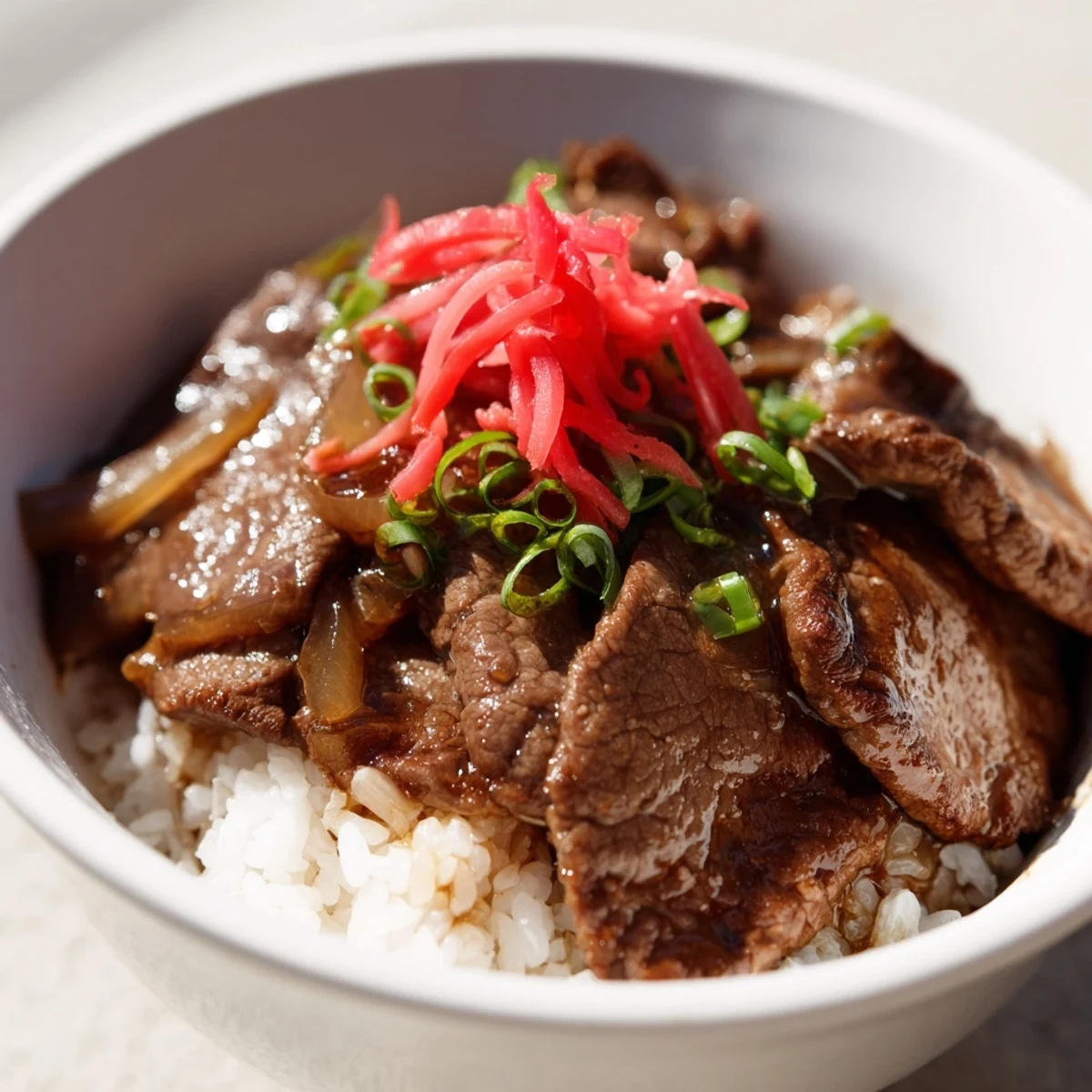
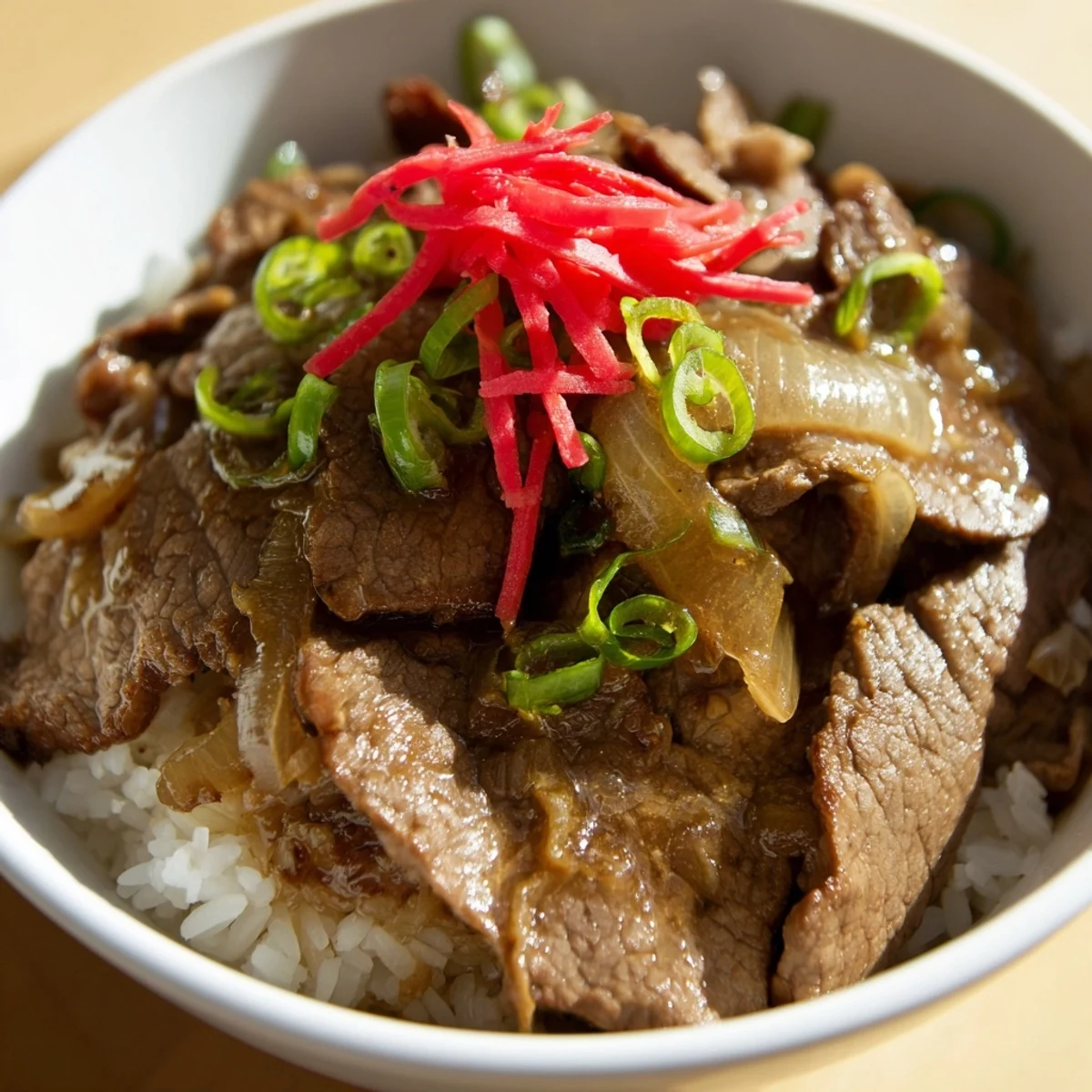
 This dish features thinly sliced beef gently simmered in a rich sauce made from dashi, soy sauce, mirin, and sake. Onions softened in oil add depth, while steamed short-grain rice provides a comforting base. Garnishes like spring onions and pickled ginger enhance flavor and freshness. Ready in just 30 minutes, it’s an easy, hearty bowl that captures Japanese flavors simply.
My neighbor dropped by one evening with a craving for something warm and satisfying, and I pulled together this beef bowl in less than half an hour. There's something about the way the beef soaks up that umami sauce, how it all comes together over rice—it reminded me why this dish has been a weeknight staple in Japanese kitchens for generations. It's the kind of meal that feels both humble and deeply comforting, like you've done something right even when you weren't trying too hard.
I made this for my daughter's study group once, setting everything out so they could build their own bowls. Watching them realize you could layer toppings and customize the heat with a pinch of seven spice—that's when it stopped being just dinner and became something interactive, something fun. They still ask for it when they visit.
Ingredients
- Thinly sliced beef (500 g): Use sirloin or ribeye and ask your butcher to slice it thin—it cooks in seconds and stays tender, turning the whole dish silky.
- Short-grain white rice (2 cups): This rice absorbs the sauce without falling apart, creating that signature sticky-tender texture that holds everything together.
- Dashi stock (1 cup): The backbone of the sauce—if you can't find dashi, beef or vegetable broth works, though dashi adds an oceanic depth that's harder to replicate.
- Soy sauce (1/4 cup): Use good-quality soy sauce; it's doing most of the seasoning work here and you'll taste every drop.
- Mirin (2 tbsp): This sweet rice wine rounds out the sauce and gives it a subtle gloss that makes the dish look finished before it even hits your mouth.
- Sake (2 tbsp): The alcohol burns off quickly, leaving behind a clean depth that keeps the sauce from tasting one-note.
- Sugar (1 tbsp): A small amount balances the salty and umami notes, brightening everything without making it sweet.
- One large onion, thinly sliced: Onions melt into the sauce and become almost caramel-like if you give them time, softening the whole dish with their sweetness.
- Spring onions (2), finely sliced: These go on at the very end to add freshness and a slight bite that cuts through the richness—don't skip this contrast.
- Pickled ginger (1 tbsp, optional): A small handful adds brightness and a tiny kick; it's the detail that makes people pause and ask what that flavor is.
- Vegetable oil (1 tbsp): Just enough to keep the onions from sticking and help the beef brown slightly at the edges.
Instructions
- Rinse and cook your rice:
- Run cold water over the rice, rubbing the grains gently between your fingers until the water runs almost clear—this removes excess starch so each grain stays separate. Combine with water and cook according to your rice cooker or stovetop method, letting it steam undisturbed once it's done.
- Start the sauce base:
- Heat oil in a large skillet over medium heat until it shimmers slightly. Add your sliced onions and let them soften for a couple of minutes, stirring occasionally—you're not trying to brown them aggressively, just make them tender and sweet.
- Build the sauce:
- While onions cook, whisk together dashi, soy sauce, mirin, sake, and sugar in a small bowl until the sugar dissolves. Pour this into the pan with the onions and let it come to a gentle simmer, filling your kitchen with that unmistakable savory-sweet aroma.
- Add the beef and finish:
- Spread the sliced beef evenly across the simmering sauce, breaking apart any clumps. Simmer for 5 to 7 minutes until the beef is just cooked through—it should look opaque all the way through but still be tender. Skim off any foam that rises to the surface; you want a clean, glossy sauce.
- Assemble and serve:
- Fluff your rice with a fork and divide it among bowls. Spoon the beef and onions generously over the rice, making sure each bowl gets plenty of sauce. Top with sliced spring onions and a small handful of pickled ginger if you're using it, and serve right away while everything is still warm.
 Save to Pinterest
 One winter morning, I made this for myself on a day when everything felt a bit gray. By the time I sat down with that warm bowl, something small had shifted—maybe it was the steam rising up, or the way the rice had soaked in all that flavor, but it felt like comfort in its most honest form.
Why This Dish Works So Well
Gyudon exists because it's efficient and soul-satisfying at the same time. The sauce isn't complicated—it's just salty, sweet, and savory in perfect balance—but those three notes together create something that tastes far more complex than it should. The beef stays tender because it spends such a short time in the pan, and the rice acts like a blank canvas that absorbs everything without fighting back. There's almost no technique required, just attention and a little patience.
Customizing Your Bowl
This recipe is a launching point, not a rulebook. Some nights I crack a soft-poached egg on top and let the yolk run into the rice—it adds richness that turns the whole thing into something more luxurious. Other times I'll add a handful of mushrooms or a splash of shichimi togarashi if I want heat. Even switching up the protein—thinly sliced chicken, pork, or tofu—keeps things interesting without changing the soul of the dish.
Making It Your Own
The real magic of this bowl is how it adapts to what you have and what you're craving. I've made it with beef stock instead of dashi when I was out, with brown rice when I wanted more texture, even with tamari for friends who needed gluten-free. Each version tastes slightly different but carries the same warm, enveloping feeling.
- Add a soft-poached or onsen egg on top for richness and a silky texture that elevates the whole dish.
- Keep shichimi togarashi (Japanese seven spice) within reach if you like heat, letting everyone adjust to their taste at the table.
- Make extra sauce and store it in the fridge—it's excellent drizzled over rice or vegetables throughout the week.
 Save to Pinterest
 This bowl has fed me through busy weeks and quiet mornings, and it never once felt like I was settling or rushing. There's something generous about a dish that comes together so quickly but tastes like it took all day to make.
Recipe Questions & Answers
- → What cut of beef works best?
-
Thinly sliced sirloin or ribeye are ideal for tenderness and quick cooking.
- → Can I substitute the dashi stock?
-
Yes, beef or vegetable broth can be used as alternatives to dashi stock.
- → How do I make the dish gluten-free?
-
Use tamari instead of regular soy sauce to avoid gluten.
- → What garnishes enhance the flavors?
-
Sliced spring onions and pickled ginger add freshness and a slight zing.
- → Can I add extra toppings?
-
A soft-poached or onsen egg and a sprinkle of shichimi togarashi offer additional richness and spice.