
 Save to Pinterest
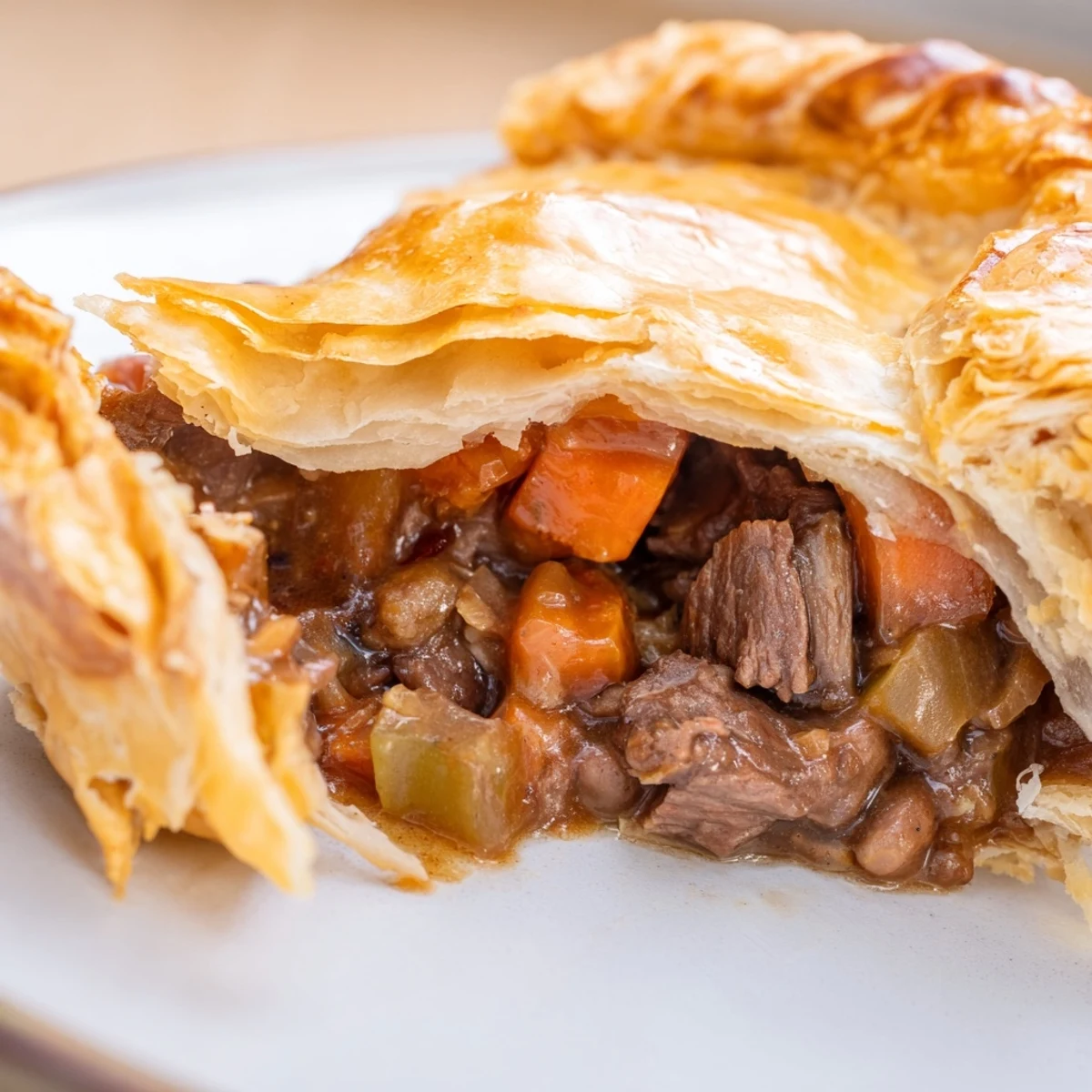
 This dish features succulent beef chuck cubes simmered slowly with onions, carrots, celery, and a savory blend of herbs and red wine to develop deep, comforting flavors. A golden, flaky crust made from cold butter and flour perfectly encases the hearty filling. The long, gentle cooking tenderizes the beef and thickens the gravy, creating a rich, satisfying texture. Finished with an egg wash for a shiny crust, it pairs beautifully with mashed potatoes or crisp greens for a fulfilling meal.
There's something about the smell of beef braising in red wine that fills a kitchen with warmth and promise. Years ago, I watched my neighbor pull a beef pie from her oven on a grey Sunday afternoon, and the golden crust made everything feel like home. Now when I make this, I'm chasing that exact feeling—the way the gravy thickens around tender beef, how the crust shatters under a fork. It's the kind of dish that tastes like someone cared enough to spend time at the stove.
I made this for friends during their first week in a new house, and I'll never forget how they sat around the table with grateful sighs, passing the salt quietly like it was precious. The pie disappeared almost entirely, and someone asked for the recipe before dessert even arrived. That's when I knew it wasn't just dinner—it was the kind of meal that marks a moment people remember.
Ingredients
- Beef chuck, cut into 1-inch cubes (2 lbs): Chuck has enough fat and connective tissue to become meltingly tender during the braise, dissolving into the gravy rather than drying out.
- All-purpose flour (2 tbsp, plus 2½ cups for crust): The flour for the beef creates a light coating that helps brown the meat and thickens the gravy as it braises.
- Vegetable oil (2 tbsp): Use something neutral and high-heat tolerant so the beef browns deeply without the oil smoking.
- Onion, carrots, celery, garlic (diced and minced): This is your flavor foundation, and they soften into the gravy until they're almost invisible but essential.
- Beef stock and red wine (1 cup each): The wine adds depth and slight acidity that brightens the richness; don't skip it even if you're not a wine drinker.
- Tomato paste, Worcestershire sauce, thyme, bay leaf: These are quiet workers that build savory complexity without announcing themselves loudly.
- Cold unsalted butter (1 cup) and ice water: Cold butter is the secret to a tender, flaky crust—warm butter makes it greasy, so keep everything chilled.
- Egg, beaten (for egg wash): This is what turns the crust golden and glossy, so brush it on generously just before baking.
Instructions
- Prepare and brown the beef:
- Toss the cubed beef with flour, salt, and pepper until lightly coated, then heat oil in a Dutch oven until it shimmers and just barely smokes. Brown the beef in batches without crowding the pot—this takes patience, but each piece needs a chance to develop a golden crust that adds flavor to the entire dish.
- Build the flavor base:
- In the same pot, sauté the onion, carrots, and celery until they soften and the onions turn translucent, then add the garlic and stir constantly for just one minute so it doesn't brown. Add the tomato paste and let it cook for a minute to deepen its flavor, then return the beef to the pot.
- Simmer the filling:
- Pour in the red wine to deglaze the bottom of the pot, scraping up all those caramelized bits with a wooden spoon, then add the stock, Worcestershire sauce, thyme, and bay leaf. Bring to a simmer, cover, and let it bubble gently on the stove for about ninety minutes until the beef is so tender it falls apart at the gentlest nudge and the gravy has thickened slightly.
- Make the crust dough:
- In a bowl, combine flour and salt, then work in the cold butter with your fingertips until the mixture looks like coarse crumbs—this step matters because it creates pockets of butter that steam and create flakiness. Add ice water a tablespoon at a time, mixing gently with a fork until the dough just barely comes together.
- Chill and roll:
- Divide the dough into two discs, wrap them in plastic, and refrigerate for at least thirty minutes so the gluten can relax and the dough becomes easier to work with. Roll out the first disc on a floured surface to fit your pie dish, letting it drape in without stretching, then trim the overhang.
- Assemble and vent:
- Spoon the cooled filling into the crust, then place the second rolled dough over top, pressing the edges to seal them. Cut a few slits into the top crust so steam can escape during baking, which prevents the filling from bubbling over and the crust from getting soggy.
- Bake until golden:
- Brush the top crust generously with beaten egg, then place in a preheated 375°F oven for forty to forty-five minutes until the crust is deep golden and the edges don't look pale or underdone. Let it rest for ten minutes before cutting—this gives the filling time to set so it doesn't spill everywhere when you slice.
 Save to Pinterest
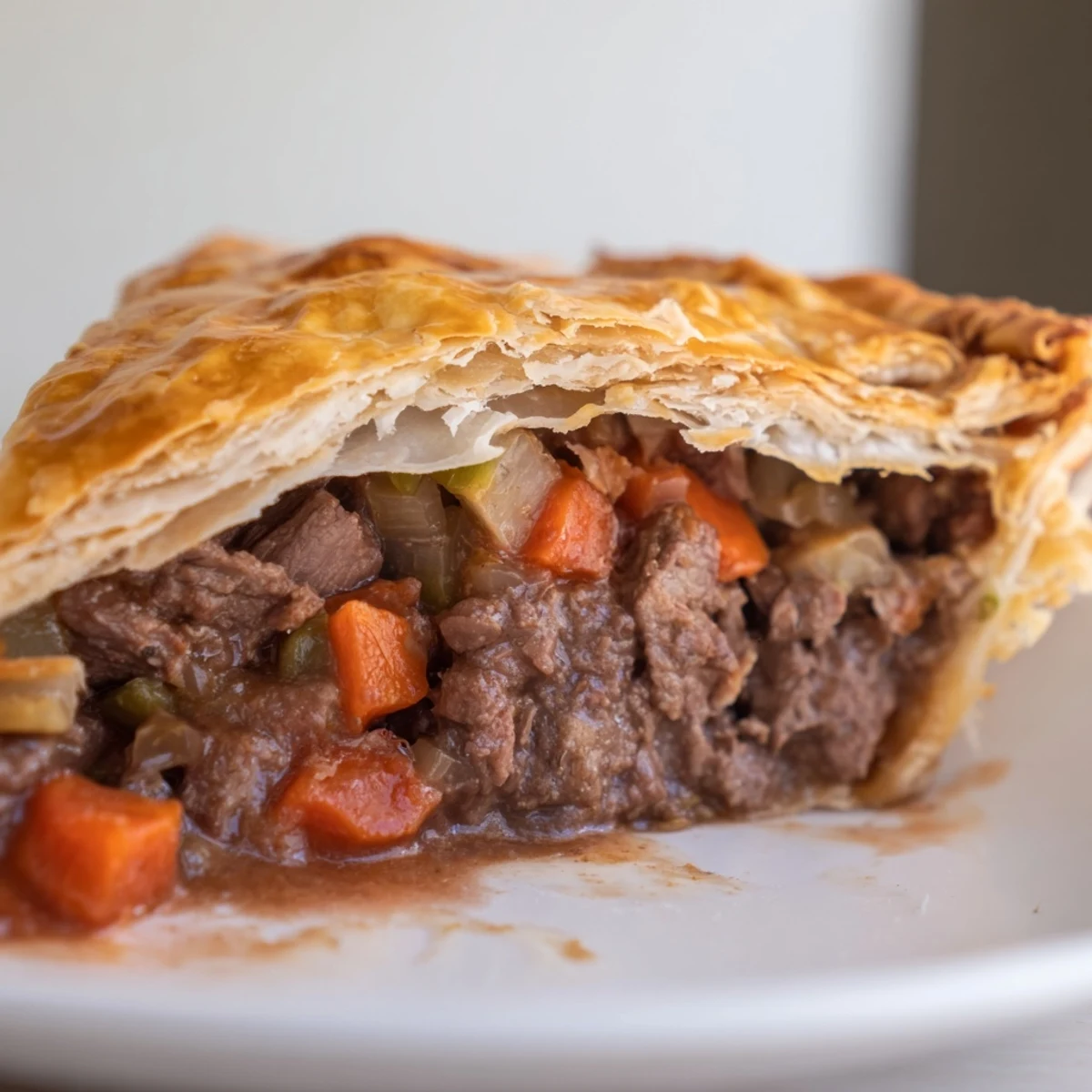
 The best part comes when someone cuts into the pie and that first steam rises up, carrying the smell of beef and wine and herbs into the room. It's a simple moment, but it's when a recipe becomes a memory.
The Crust Matters Most
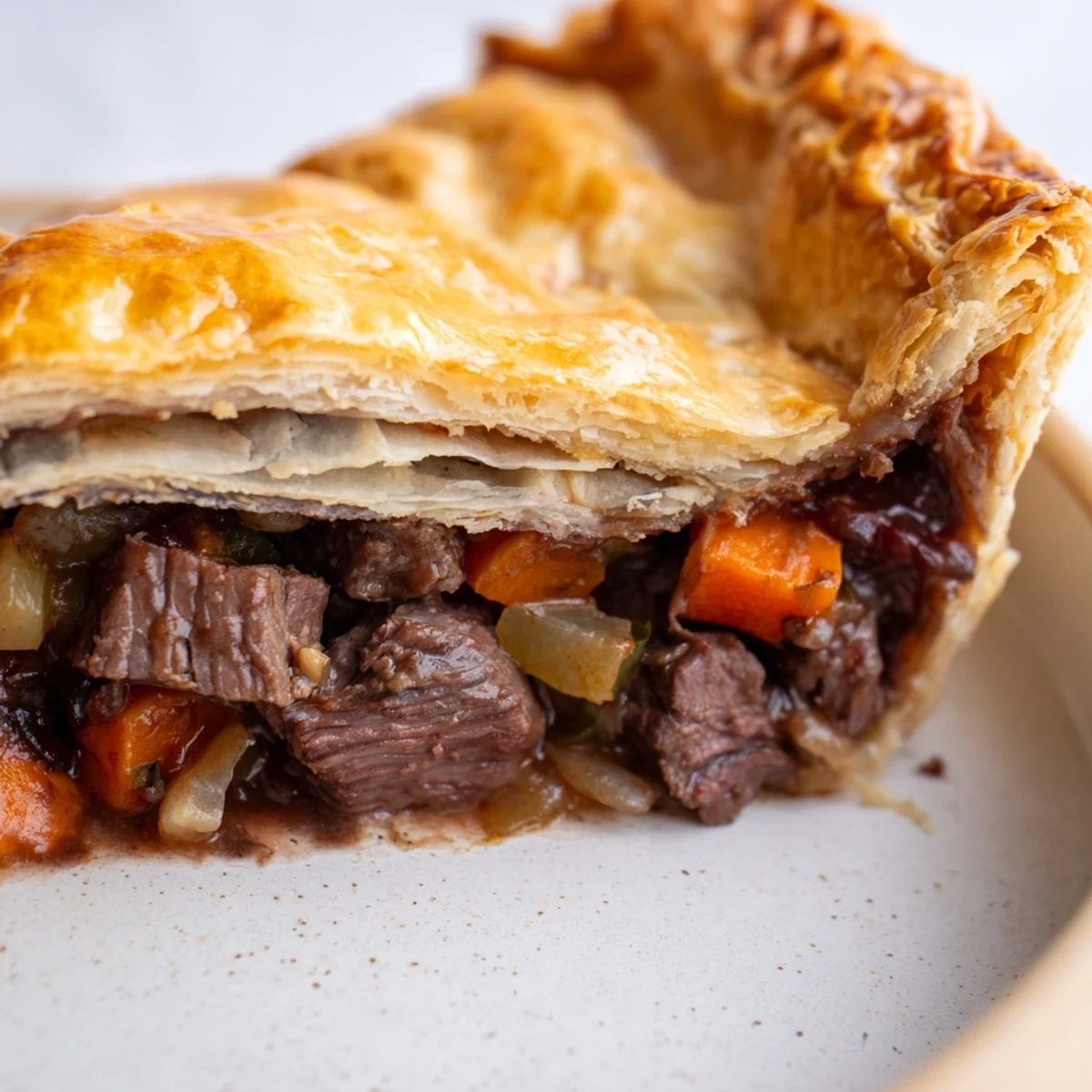
A pie is only as good as its crust, and the difference between flaky and dense comes down to keeping butter cold and not overworking the dough. I learned this the hard way by pressing and kneading like I was making bread, only to end up with something tough and heavy. Now I barely touch it, mixing just enough to bring it together, then letting the cold butter do the work in the oven.
Making It Your Own
The filling is forgiving enough that you can adjust it to what you love and what you have on hand. Some people add mushrooms for earthiness, others stir in frozen peas for sweetness, and I once added a splash of brandy because it was sitting there on the shelf. The core flavors stay the same, but small changes can make it feel like your own creation rather than something you copied from a page.
Serving and Storage
Serve this pie warm with creamy mashed potatoes or soft egg noodles to catch every drop of gravy, and add a simple green salad to cut through the richness. A glass of the same red wine you used in the filling pairs perfectly, or reach for something robust like Shiraz or Merlot if you want to feel a little fancy on an ordinary evening.
- Leftover pie keeps in the refrigerator for three days and can be gently reheated in a low oven so the crust doesn't dry out.
- You can also freeze the assembled pie before baking and bake it straight from frozen, adding five to ten minutes to the baking time.
- Make sure the filling is completely cool before freezing, or condensation will make the bottom crust soggy.
 Save to Pinterest
 This pie is the kind of dish that whispers comfort instead of shouting it, and that's exactly why it keeps showing up on winter tables and special Sunday afternoons. Make it once and you'll understand why people keep coming back.
Recipe Questions & Answers
- → What cut of beef works best for this dish?
-
Beef chuck is ideal due to its marbling and tenderness after slow cooking, which results in flavorful, tender bites.
- → Can I prepare the crust in advance?
-
Yes, the dough can be made ahead and chilled, allowing flavors to develop and making it easier to handle when assembling.
- → How do I ensure the filling isn't watery?
-
Simmer the filling uncovered towards the end to reduce excess liquid, ensuring a thick, rich gravy that won't sog the crust.
- → Are there suitable substitutes for beef stock?
-
Beef stock provides depth, but a robust vegetable stock can be used to lighten the flavor without sacrificing complexity.
- → What’s the purpose of adding red wine?
-
Red wine adds acidity and layers of flavor, enhancing the rich, savory profile of the filling.