
 Save to Pinterest
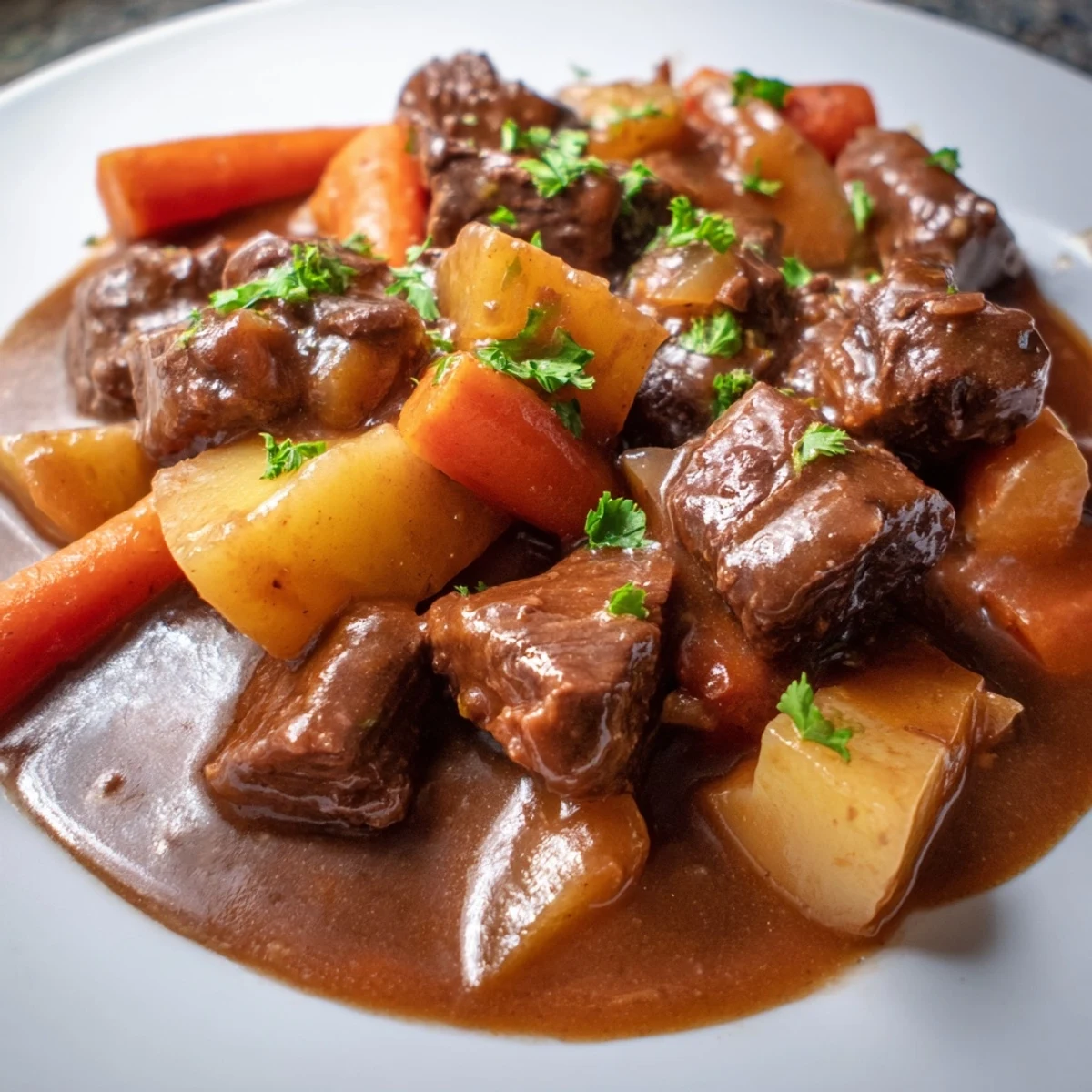
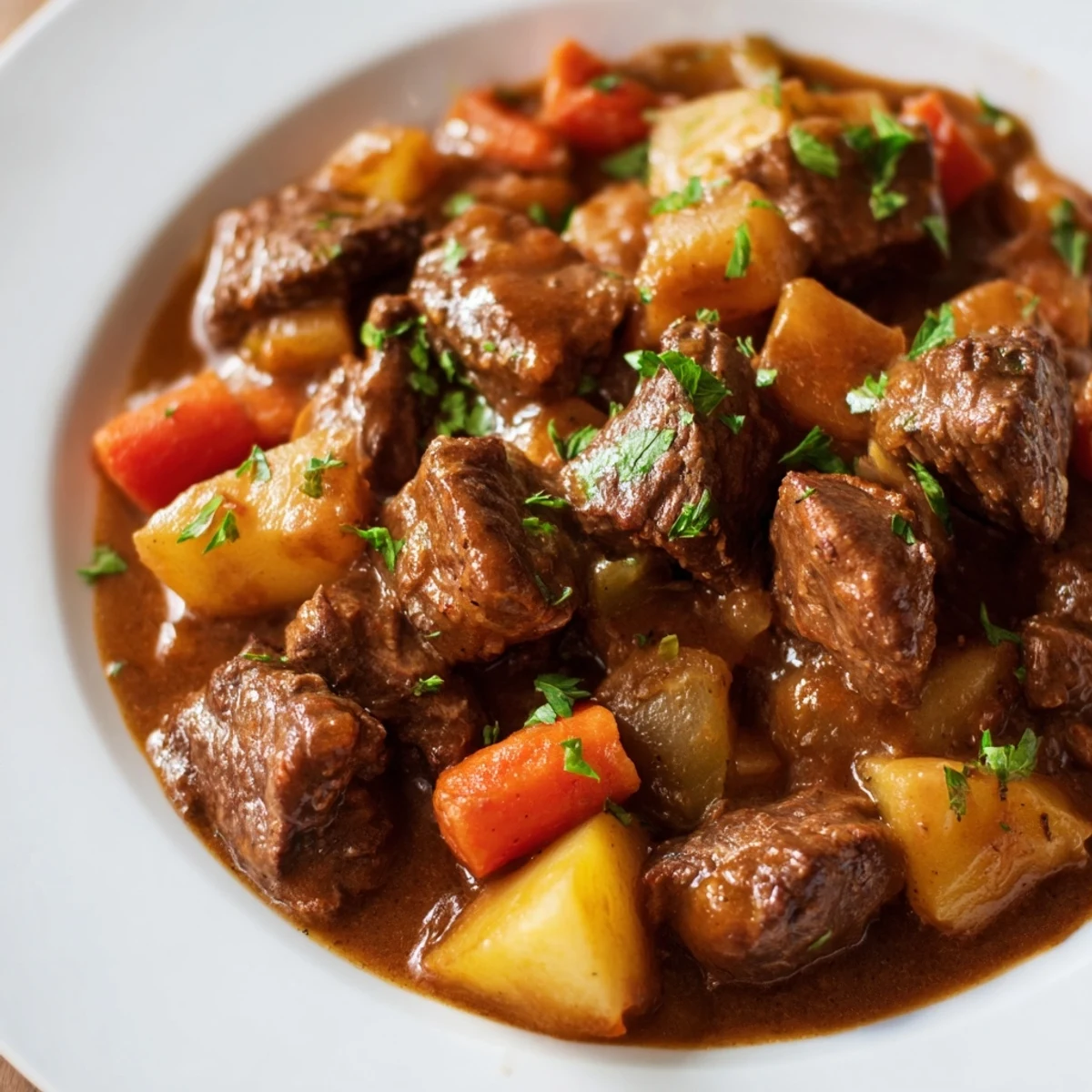
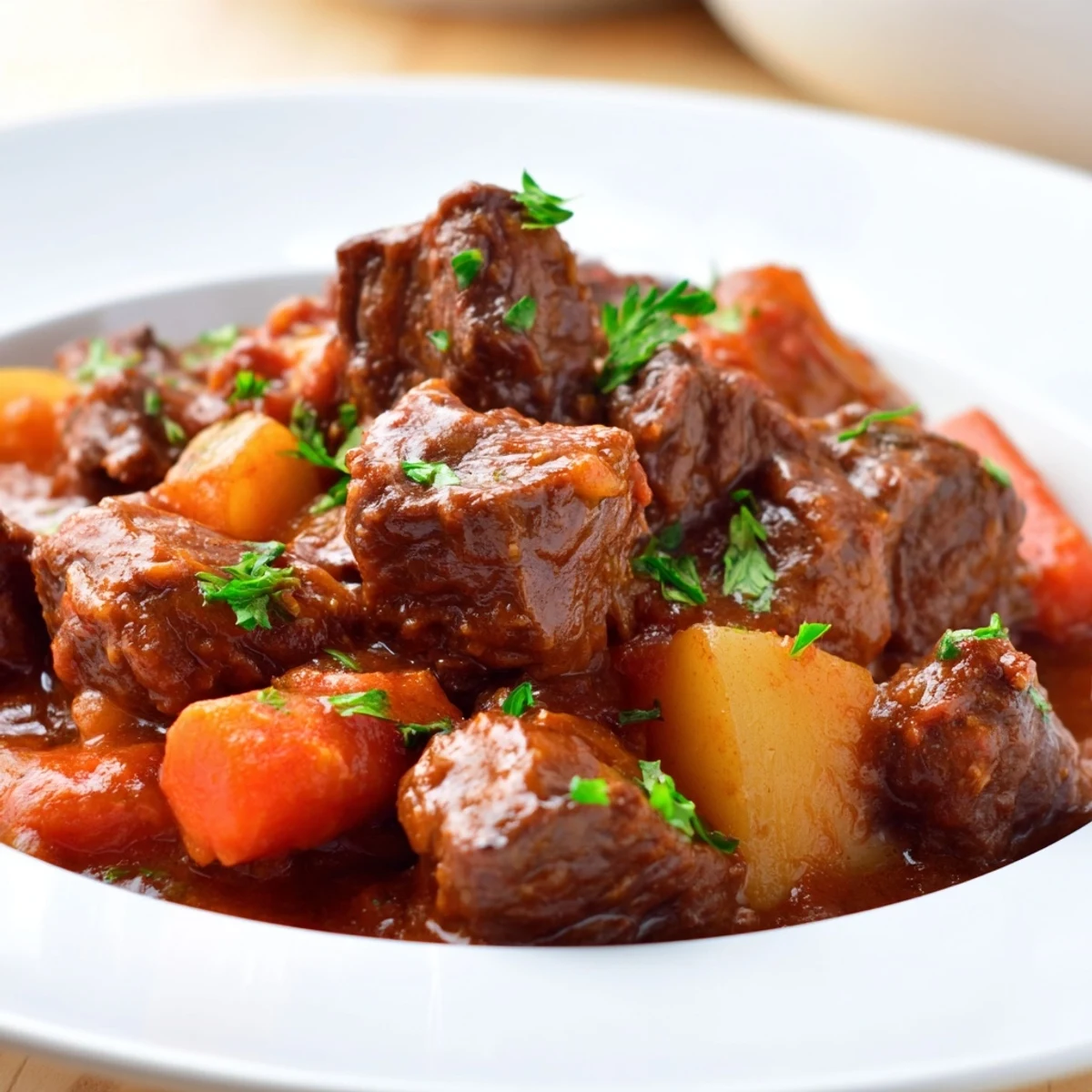
 This hearty dish brings together tender chunks of beef with a variety of root vegetables including carrots, parsnips, potatoes, and rutabaga. Aromatic herbs like thyme, rosemary, and parsley enhance the deep, savory flavor. Simmered slowly in beef broth and optional red wine, the ingredients meld into a rich and flavorful meal perfect for cozy gatherings. Optional thickening with cornstarch produces a luscious texture. Serve hot, garnished with fresh parsley to complete this classic comfort fare.
The first snowfall had just started when my grandmother handed me her biggest wooden spoon and told me it was time to learn what real patience tasted like. That afternoon became my introduction to the kind of slow, deliberate cooking that transforms tough cuts of meat into something that surrenders at the slightest touch of a fork.
Last winter, I made a triple batch for my roommate's birthday dinner, and the way the entire apartment smelled like herbs and comfort had people asking seconds before I even finished plating. That night taught me that some dishes are worth the hours they demand.
Ingredients
- Beef chuck: This cut develops incredible depth during long braising, and cutting it into even pieces ensures everything cooks at the same rate
- Root vegetables: Carrots, parsnips, and rutabaga add layers of earthy sweetness that only develop with slow cooking
- Red wine: The acidity cuts through the richness while adding complexity, though good broth works perfectly fine too
- Fresh herbs: Bay leaves and dried woody herbs infuse the liquid, while fresh parsley brings brightness at the end
Instructions
- Prepare the beef:
- Pat those cubes completely dry with paper towels, then season them generously with salt and pepper. This simple step creates the beautiful brown crust that builds our flavor foundation.
- Sear the meat:
- Heat your oil in a heavy pot until it shimmers, then brown the beef in batches without overcrowding. Listen for that satisfying sizzle and resist the urge to move the meat around. Let it develop a deep mahogany color on each side.
- Build the base:
- Add more oil to the same pot and sauté your vegetables until they start to soften. The onions should turn translucent and fragrant, about 5 minutes, before you stir in the garlic.
- Add depth:
- Stir in the tomato paste and let it cook for a minute until it darkens slightly. This concentrates its natural sweetness and adds a rich undertone to the whole stew.
- Combine everything:
- Pour in your wine if using, and use your wooden spoon to scrape up all those caramelized bits from the bottom. That's where the magic lives. Add the broth, herbs, and return the beef to its home.
- Let it simmer:
- Bring everything to a gentle bubble, then reduce the heat to low. Cover and let it cook slowly, stirring occasionally, for about an hour and a half. The house will start smelling incredible.
- Add potatoes:
- Stir in the diced potatoes and continue cooking for another 30 minutes. You'll know it's done when the beef falls apart easily and the vegetables are tender but not falling apart.
- Finish with care:
- Fish out the bay leaves, stir in the fresh parsley, and taste. Adjust the seasoning if needed. Let everyone serve themselves from the big pot, breathing in the steam that rises from each bowl.
 Save to Pinterest
 Something magical happens when people gather around a steaming pot of stew, ladling their own bowls and finding their favorite vegetables. It becomes more than dinner. It becomes conversation, warmth, and the kind of comfort that only slow food can provide.
Making It Your Own
Over the years, I have learned that stew recipes are more like guidelines than rules. Sometimes I use sweet potatoes instead of regular ones for extra color, or throw in some mushrooms during the last hour of cooking. The process stays the same, but the results never get boring.
Choosing Your Pot
A heavy Dutch oven is worth every penny for this kind of cooking because it holds heat so evenly and consistently. If you do not have one, any thick-bottomed pot with a tight-fitting lid will work. Just avoid thin aluminum pans that might scorch the bottom.
Serving Suggestions
A crusty piece of bread is nonnegotiable in my house. We use it to soak up every last drop of that incredible broth. Sometimes I serve it over mashed potatoes for extra heartiness, or alongside a simple green salad to balance the richness.
- Keep some extra fresh herbs on hand for garnish. They make everything look special
- A splash of vinegar right before serving can brighten up the whole dish
- Do not forget to freeze leftovers for those nights when cooking feels impossible
 Save to Pinterest
 There is something deeply satisfying about making a dish that rewards patience so generously. Every spoonful feels like a small victory.
Recipe Questions & Answers
- → What cut of beef works best?
-
Beef chuck is ideal for this dish as it becomes tender and flavorful when braised slowly.
- → Can I substitute the root vegetables?
-
Yes, sweet potatoes, celeriac, or turnips can replace parsnips or rutabaga to vary the flavor profile.
- → How do I thicken the stew?
-
Mix cornstarch or flour with cold water and stir into the simmering stew; cook until desired consistency.
- → Is using wine necessary?
-
Wine adds depth but can be omitted or replaced with additional beef broth if preferred.
- → What cooking equipment is needed?
-
A large Dutch oven or heavy-bottomed pot works best for even heat during browning and simmering.