
 Save to Pinterest
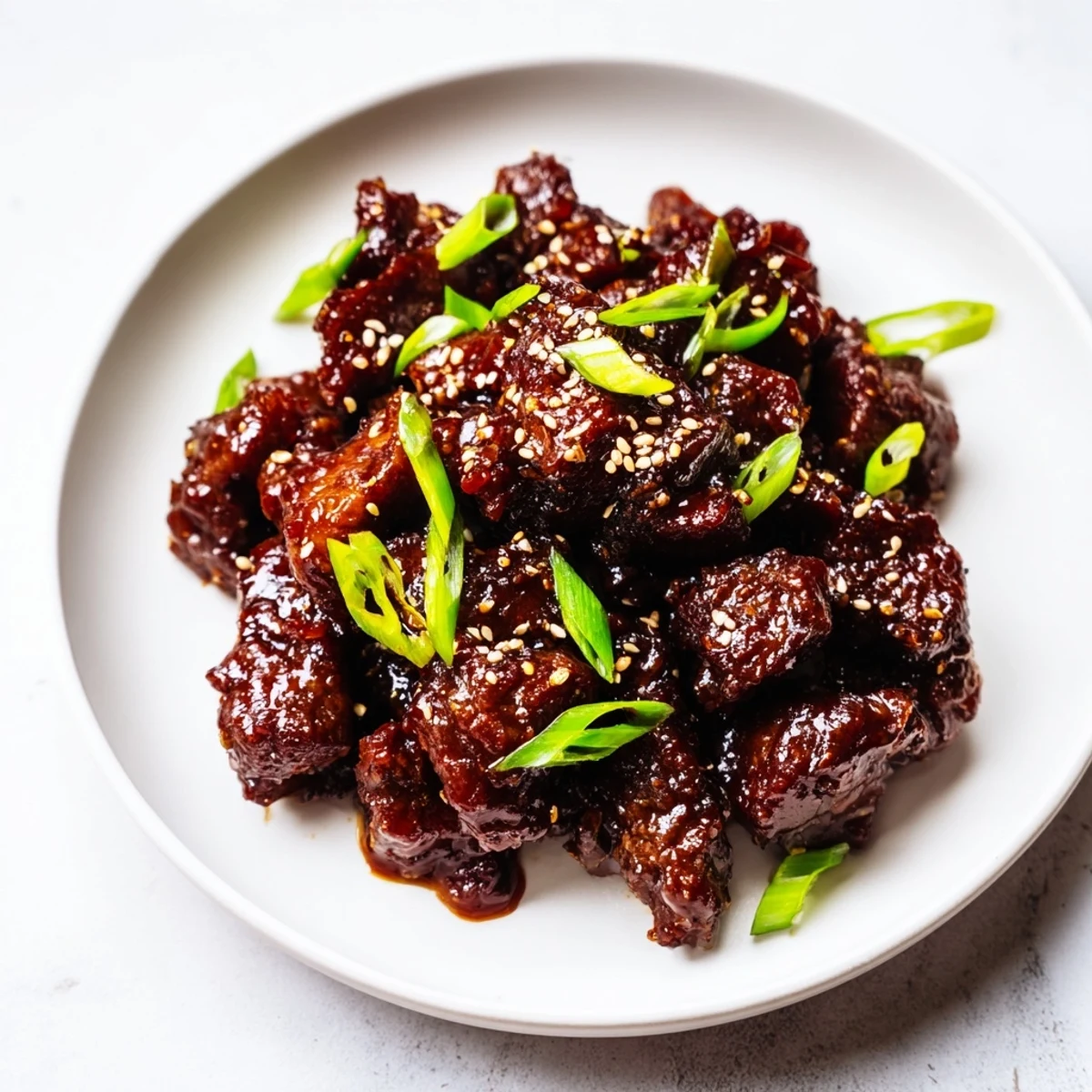
 This slow-cooked Korean beef dish features tender chuck roast simmered in a rich sauce of soy sauce, brown sugar, sesame oil, garlic, ginger, and gochujang. The beef cooks low and slow for 6-7 hours until fork-tender, then thickens with a cornstarch slurry for a perfect coating. Serve over rice, noodles, or in lettuce wraps with green onion and sesame seed garnish.
The smell of gochujang hitting warm sesame oil still takes me back to my tiny apartment kitchen, where I first attempted Korean beef without a clue what I was doing. I burned the garlic that first time, but the way the chili paste caramelized made me realize imperfection can be delicious. Now this slow cooker version lets me get those same deep flavors without hovering over the stove, and my house smells like a Seoul street food stall all day.
I brought this to a potluck last winter, and my friend who claims she hates spicy food went back for thirds. She kept asking what made it so addictive, and I had to explain that gochujang is not just heat, it is this fermented depth that makes everything taste better. Watching people hover around the slow cooker, sneaking tastes before dinner was ready, reminded me why sharing food matters so much.
Ingredients
- 2 lbs beef chuck roast: Chuck has the perfect marbling for slow cooking, breaking down into velvety shreds that soak up every bit of that Korean sauce
- 1/2 cup low-sodium soy sauce: Regular soy sauce can make the final dish too salty, especially after all that reduction time in the slow cooker
- 1/4 cup brown sugar: This balances the salty soy sauce and spicy chili paste while helping the meat caramelize beautifully
- 1/4 cup beef broth: Adds depth and creates that luscious cooking liquid you will want to spoon over everything
- 2 tablespoons sesame oil: Toasted sesame oil is non negotiable here, it gives that unmistakable Korean aroma
- 2 tablespoons rice vinegar: A subtle acidity that cuts through the rich meat and brightens the whole dish
- 4 cloves garlic: Do not be shy with garlic, it mellows beautifully during the long cook time
- 1 tablespoon fresh ginger: Fresh grated ginger has a zing that powdered ginger just cannot replicate
- 2 tablespoons gochujang: This Korean chili paste is the soul of the dish, bringing fermented depth and gentle heat
- 1 medium yellow onion: Slices become sweet and meltingly soft, infusing the cooking liquid with subtle sweetness
- 1 tablespoon cornstarch: Essential for transforming that thin cooking liquid into a glossy, spoonable sauce
- Green onions and sesame seeds: Fresh toppings add crunch and a pop of color against the rich, dark beef
Instructions
- Whisk together your sauce base:
- In a medium bowl, combine the soy sauce, brown sugar, beef broth, sesame oil, rice vinegar, garlic, ginger, and gochujang until the sugar dissolves completely. Give it a taste and adjust if you want more heat or sweetness before it meets the meat.
- Layer and coat the beef:
- Place your beef cubes and sliced onions in the slow cooker, then pour that gorgeous red sauce over everything. Use tongs to toss the beef until every piece is coated in the mixture.
- Let the slow cooker work its magic:
- Cover and cook on low for 6 to 7 hours, or on high for 3 to 4 hours. Your kitchen will start smelling incredible around hour three.
- Thicken that sauce:
- Remove about 1/4 cup of the cooking liquid and whisk it with the cornstarch until smooth, then stir it back into the slow cooker. Cover and cook on high for another 20 to 30 minutes until the sauce coats the back of a spoon.
- Serve it up:
- Pile that tender beef over steamed rice, tuck it into lettuce wraps, or toss it with noodles for a Korean inspired beef noodle bowl. Top with fresh green onions and a generous sprinkle of toasted sesame seeds.
 Save to Pinterest
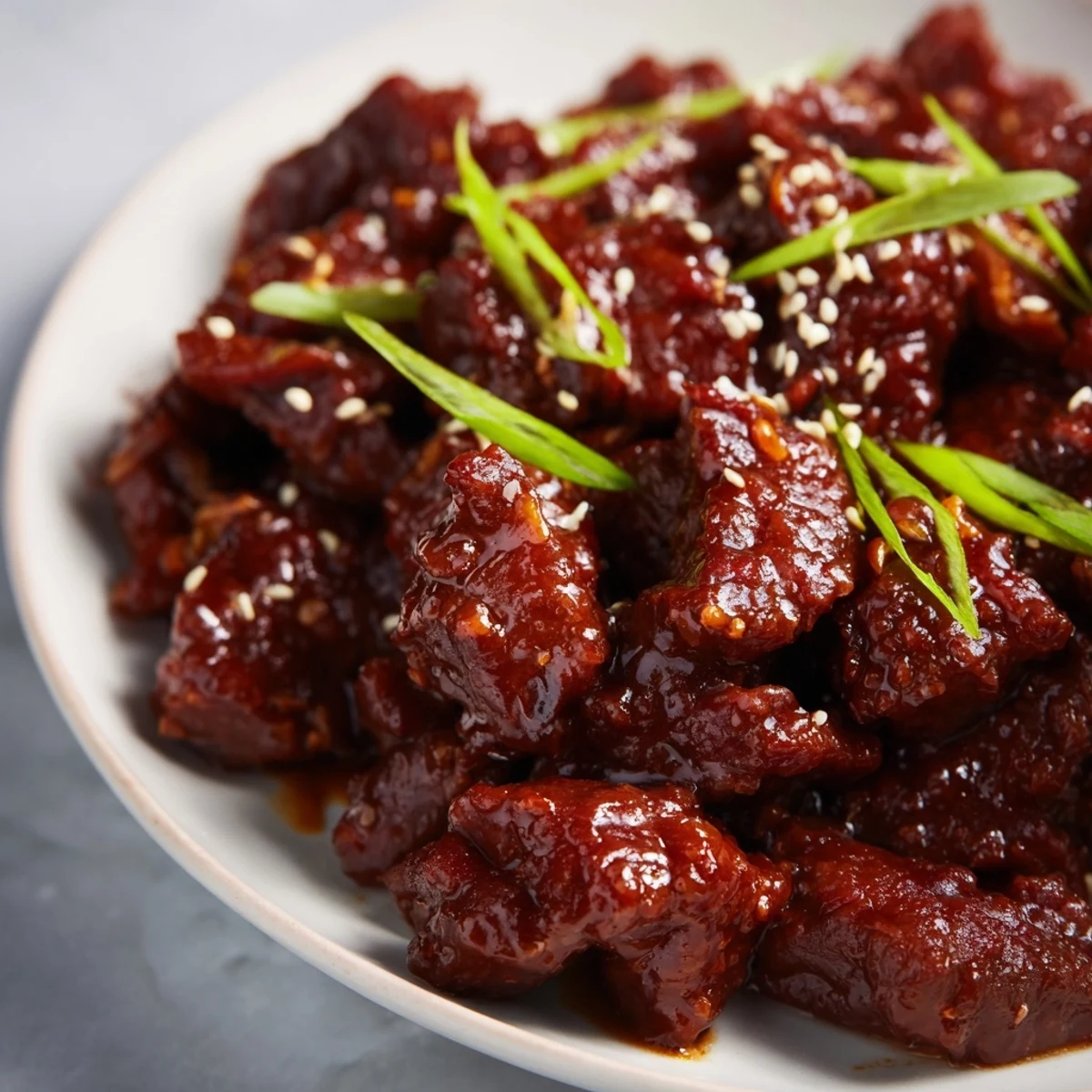
 This recipe has become my go to when friends are going through tough times, something about comfort food that packs a punch seems to say I care better than words ever could. Last month I dropped a container off at my neighbors house after she had surgery, and she texted me saying it was the first thing that actually tasted good in days.
Perfecting The Sauce Balance
The first few times I made this, the sauce would end up either too salty or cloyingly sweet. I learned to taste the raw sauce mixture before adding it to the meat, adjusting the ratios slightly based on the brand of soy sauce and how sweet my brown sugar was. Some days I need an extra splash of vinegar, other days a touch more gochujang.
Serving Ideas Beyond Rice
While steamed jasmine rice is classic, I have discovered this Korean beef makes incredible tacos with quick pickled cucumber and extra gochujang mayo. My personal favorite is stuffing it into baked sweet potatoes, letting that rich, spicy sauce soak into the fluffy orange flesh.
Make Ahead Strategy
This might be the ultimate meal prep recipe because the flavors develop and intensify overnight. I often make it on Sunday, portion it into containers, and eat it happily all week.
- Freeze portions in freezer bags for up to three months, Thaw overnight in the refrigerator
- Reheat with a splash of water or broth to loosen the sauce
- The beef also freezes beautifully before thickening with cornstarch if you prefer
 Save to Pinterest
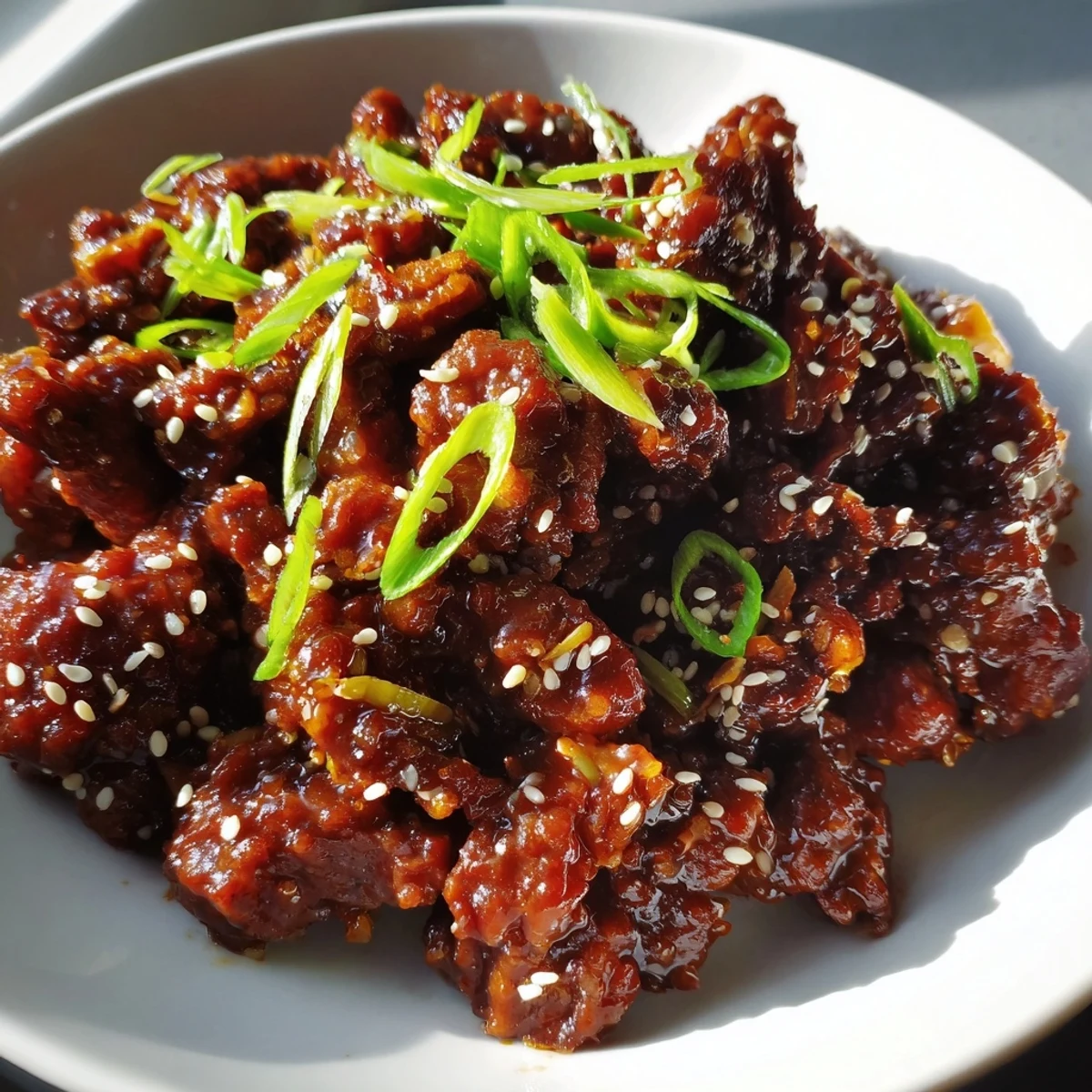
 There is something deeply satisfying about a recipe that rewards patience with such incredible flavor, and this Korean beef never lets me down.
Recipe Questions & Answers
- → Can I use a different cut of beef?
-
Yes, you can use other beef cuts like sirloin or round roast, but chuck roast works best for its marbling and tenderness when slow-cooked. For a leaner option, try beef brisket.
- → How spicy is this dish?
-
The spice level depends on your gochujang or Sriracha amount. Start with 1 tablespoon gochujang for mild heat, and add more to taste. You can also include red pepper flakes for extra kick.
- → Can I make this without a crock pot?
-
Yes, you can adapt this for stovetop cooking. Brown the beef first, then simmer in the sauce for 2-3 hours until tender, or use an Instant Pot for faster results (about 90 minutes on high pressure).
- → What's the best way to serve this?
-
Serve over steamed jasmine rice, udon noodles, or in lettuce wraps. Garnish with fresh green onions and toasted sesame seeds for added flavor and texture.
- → How long does it keep?
-
This dish refrigerates well for up to 4 days and freezes for 2-3 months. The flavors actually improve after a day or two as they meld together.