
 Save to Pinterest
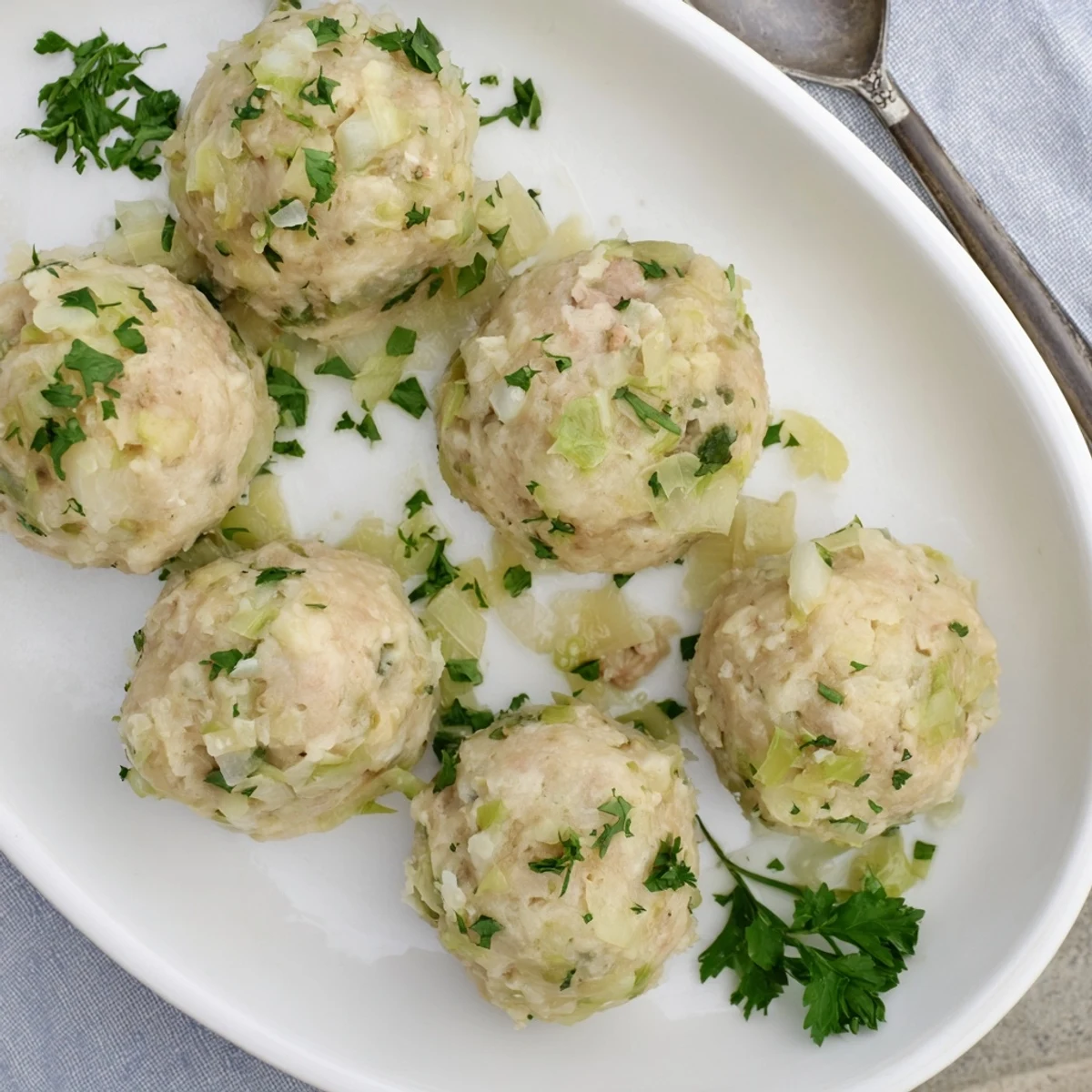
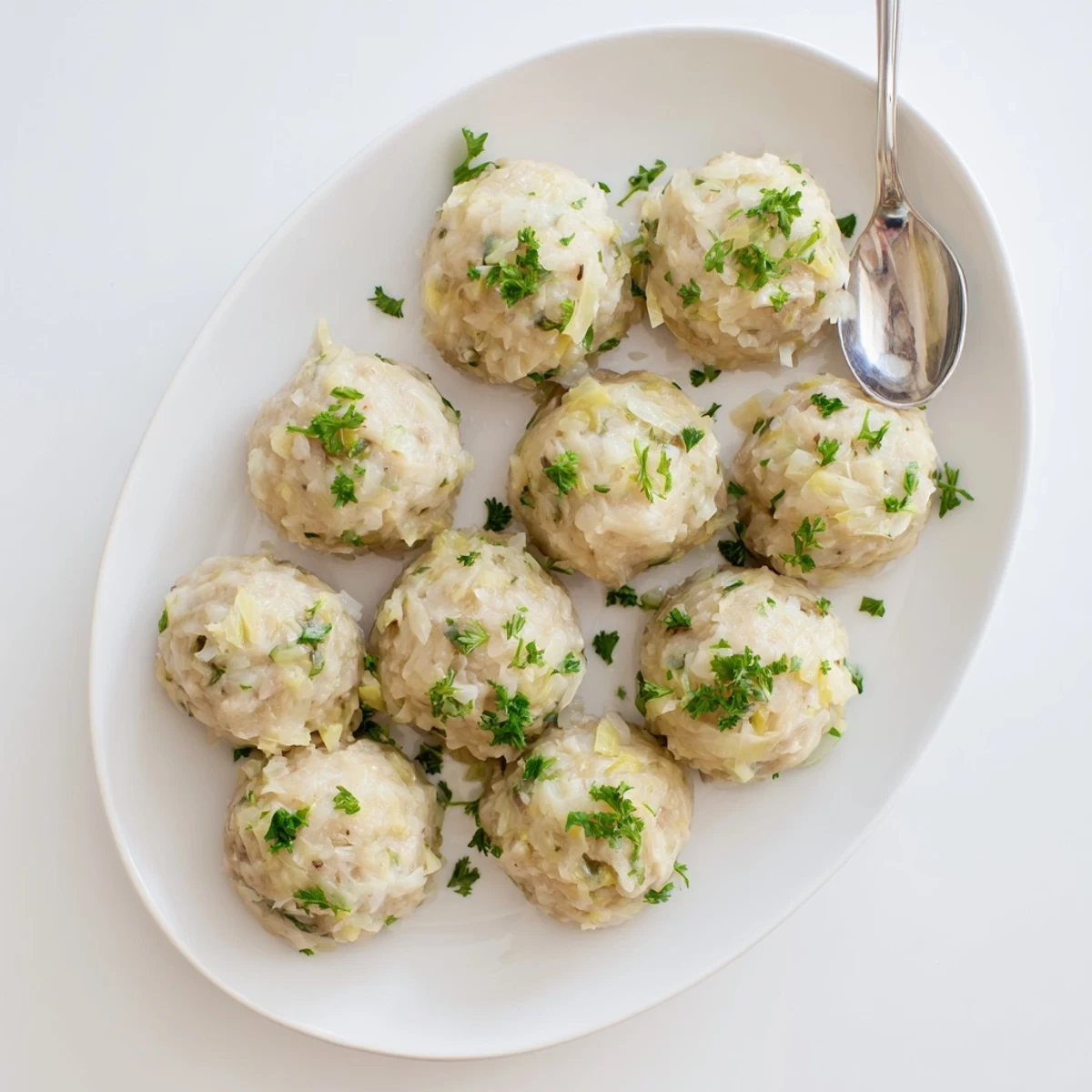
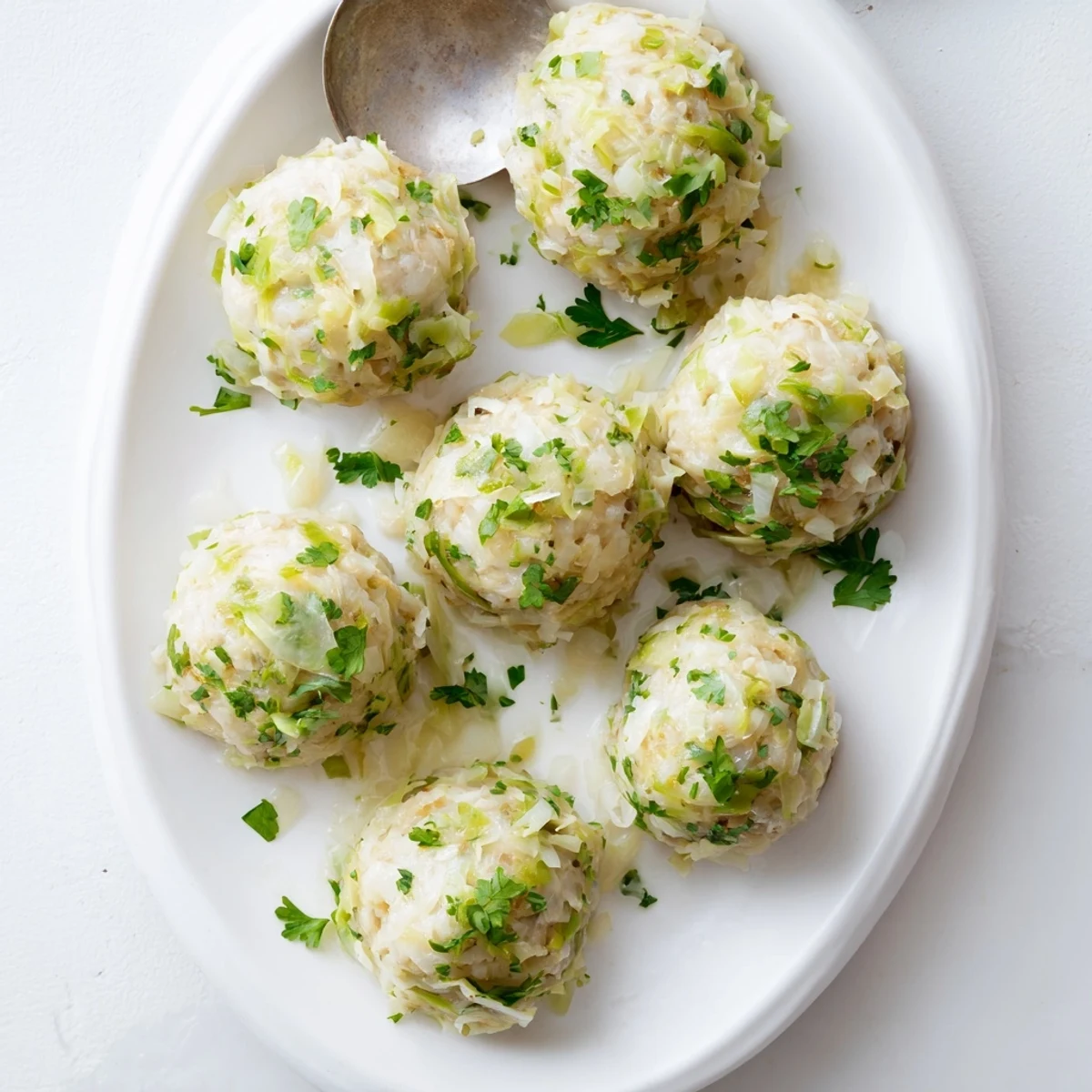
 These traditional German cabbage dumplings feature a tender, fluffy texture achieved by combining day-old bread soaked in milk with sautéed cabbage, eggs, and aromatic spices like nutmeg and black pepper. The dumplings are gently simmered in vegetable broth for 18-20 minutes until firm and cooked through, resulting in a comforting dish that pairs beautifully with creamy mushroom sauce or melted butter.
The smell of butter and cabbage caramelizing together takes me straight back to my grandmother's tiny kitchen in Bavaria, where she'd press these dumplings into shape with flour-dusted hands while snow fell outside the window.
I once made these for a dinner party during a particularly brutal winter, watching my friends go quiet after their first bites before reaching for seconds, completely forgetting about anything else on the table.
Ingredients
- 1 small head green cabbage: The backbone of this dish, shredded finely so it melts into the dumpling while still providing texture and sweetness
- 1 medium onion: Foundation of flavor, cooked slowly until it becomes sweet and almost invisible in the final bite
- 2 tbsp unsalted butter: Use real butter here, it carries the cabbage flavor better than anything else could
- 2 large eggs: Room temperature eggs bind everything together without making the dumplings tough or rubbery
- 120 ml whole milk: Soaks into the bread cubes, creating that tender interior that makes these so special
- 200 g day-old white bread: Stale bread absorbs the milk better than fresh, preventing gummy dumplings
- 60 g all-purpose flour: Just enough to give structure without making them heavy or dense
- 1/2 tsp ground nutmeg: The secret German ingredient that adds warmth and depth without announcing itself
- 1/2 tsp ground black pepper: Freshly cracked pepper cuts through the richness and wakes up the palate
- 1 tsp salt: Essential for bringing out the natural sweetness of the cooked cabbage
- 2 tbsp fresh parsley: Brightens everything up and adds little flecks of color throughout the dumpling
- 1.5 liters vegetable broth: Gentle simmering liquid that seasons the dumplings from the outside in
Instructions
- Start with the cabbage base:
- Melt butter in a large skillet and cook onions until translucent, then add shredded cabbage with a pinch of salt, letting it soften and concentrate in flavor for about 10 minutes.
- Prepare the bread mixture:
- Combine bread cubes with milk in a large bowl, letting them soak until soft, then mash gently until you have a cohesive, pudding-like base.
- Combine and season:
- Add eggs, flour, nutmeg, pepper, salt, parsley, and the cooled cabbage mixture to the soaked bread, mixing until uniform and slightly sticky.
- Shape the dumplings:
- Keep your hands damp and form the mixture into 8 equal rounds, handling them gently to keep the texture light and airy.
- Simmer gently:
- Bring vegetable broth to a gentle simmer and carefully add dumplings, letting them cook slowly for 18 to 20 minutes until firm throughout.
- Serve hot:
- Lift dumplings out with a slotted spoon and serve immediately, perhaps with extra parsley sprinkled on top.
 Save to Pinterest
 These became my go-to comfort food the year I lived alone in a drafty apartment, something I could make on Sunday and eat all week while feeling connected to generations of cooks who came before me.
Getting The Texture Right
The difference between a good dumpling and a great one comes down to not overmixing the dough and keeping the broth at that perfect gentle simmer, just barely bubbling around the edges.
What To Serve Alongside
A simple green salad with sharp vinaigrette cuts through the richness, or serve them with roasted sausages for a complete German-inspired meal that feels satisfying and complete.
Make Ahead And Storage
You can shape the dumplings a few hours ahead and refrigerate them on a baking sheet, covered with plastic wrap. They cook up beautifully from chilled.
- Cooked dumplings keep in the refrigerator for up to 3 days
- Reheat gently in simmering broth, never in the microwave
- Freeze uncooked dumplings on a baking sheet before transferring to bags
 Save to Pinterest
 There's something deeply satisfying about transforming the most ordinary ingredients into something that feels like a celebration of comfort itself.
Recipe Questions & Answers
- → What makes German cabbage dumplings fluffy?
-
The dumplings achieve their fluffy texture from day-old bread soaked in milk, which creates a soft base. The addition of eggs helps bind the mixture while keeping it light, and gentle simmering (not boiling) in broth prevents them from becoming dense or tough.
- → Can I make these dumplings ahead of time?
-
Yes, you can prepare the dumpling mixture up to 24 hours in advance and refrigerate it. Shape and cook them just before serving. Leftover cooked dumplings can be stored in the refrigerator for 2-3 days and reheated gently in simmering broth.
- → What sauce pairs best with cabbage dumplings?
-
Traditional accompaniments include creamy mushroom sauce, melted butter with fresh herbs, or a simple brown butter sauce. The dumplings also work well with rich gravy or can be served alongside roasted meats and vegetables.
- → How do I know when the dumplings are done cooking?
-
The dumplings are ready when they float to the surface and feel firm when pressed gently—typically 18-20 minutes of simmering. You can also cut one open to verify the center is fully cooked and no longer raw or doughy.
- → Can I freeze uncooked cabbage dumplings?
-
Yes, arrange shaped dumplings on a baking sheet and freeze until solid, then transfer to a freezer bag. Cook them directly from frozen, adding 2-3 minutes to the simmering time. They'll keep for up to 3 months in the freezer.
- → What type of cabbage works best?
-
Green cabbage is traditional and provides a mild, sweet flavor when cooked. However, you can substitute savoy cabbage for a more delicate texture or red cabbage for a colorful variation, though red cabbage will alter the appearance of the finished dumplings.