
 Save to Pinterest
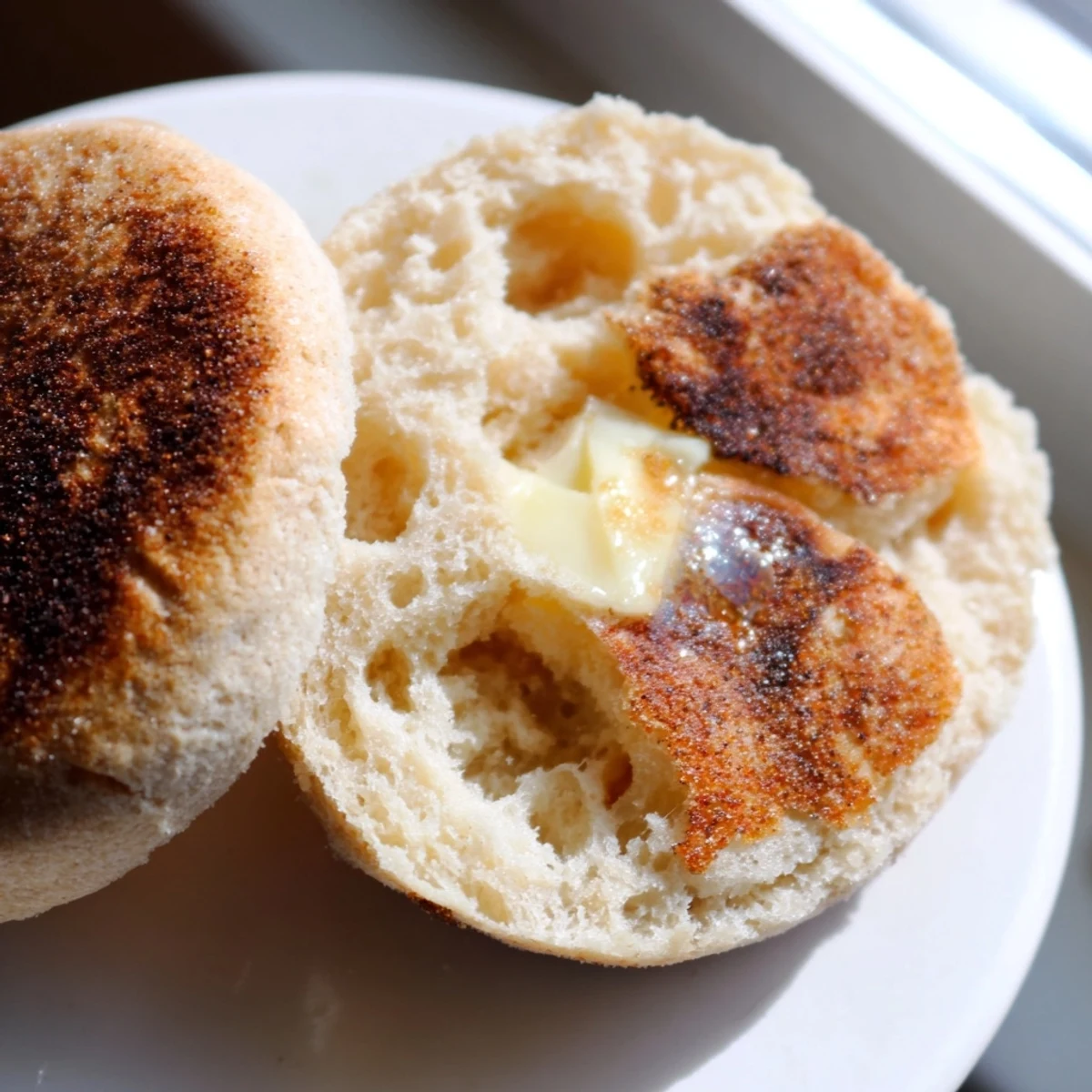
 Create bakery-style English muffins at home with a soft, airy interior and golden crust. These classic British breads feature the signature nooks and crannies that perfectly capture melted butter and jam. The dough requires simple pantry ingredients like bread flour, milk, yeast, and butter, with a total preparation time including rising of about two and a half hours. Cook them on a griddle or skillet until deeply golden on both sides, then split with a fork to achieve that traditional textured surface ideal for toasting.
Theres something magical about the smell of yeast and warm butter filling the kitchen on a slow weekend morning. I first attempted these English muffins during a particularly gray February when store-bought bread just wasnt cutting it anymore. The first batch was a disaster - dense hockey pucks that my husband politely chewed through anyway. But by the third try watching those golden disks puff up on the griddle felt like winning the lottery.
Last spring my sister visited and we spent an entire Sunday making these together laughing over flour-dusted aprons and burnt fingers. She confessed shed been intimidated by yeast dough for years but by her third muffin she was confidently flipping them like a pro. Now every time she texts me a photo of her weekend breakfast spread I spot those telltale cornmeal-dusted edges.
Ingredients
- Bread flour: The higher protein content creates that signature chewy structure and helps develop those sought-after nooks and crannies
- Whole milk: Adds richness and tenderness to the crumb though warmed plant milk works beautifully for vegan versions
- Active dry yeast: This living organism is what gives the muffins their airy rise so make sure its fresh and bubbly before proceeding
- Granulated sugar: Feeds the yeast and adds just a hint of sweetness without making these taste like dessert
- Fine sea salt: Enhances flavor and strengthens the gluten structure for better texture
- Unsalted butter: Melts into the dough creating tenderness and that classic buttery taste we love
- Cornmeal or semolina: Prevents sticking and adds that traditional crunchy exterior that makes English muffins so distinctive
Instructions
- Wake up the yeast:
- Dissolve the yeast and sugar in lukewarm milk and watch it bloom into a frothy layer that smells like possibility
- Build the foundation:
- Whisk flour and salt together create a well in the center then pour in your yeast mixture and melted butter stirring until shaggy dough forms
- Develop the structure:
- Knead the dough on a floured surface for 8-10 minutes until it transforms from rough to silky smooth and springs back when touched
- Let it rise:
- Place dough in an oiled bowl cover it warmly and let it double in size over about an hour giving you time to clean up and find your podcast
- Shape the muffins:
- Roll the dough to 3/4 inch thickness and cut circles with a 3-inch cutter rerolling scraps gently to get 8 muffins total
- Add the crunch:
- Dust a baking sheet with cornmeal arrange the muffins on top and sprinkle more cornmeal over them for that classic exterior texture
- Second proof:
- Cover and let them rest for 25-30 minutes until slightly puffy like little pillows ready for their transformation
- Cook to perfection:
- Heat a skillet over medium-low grease lightly and cook 7-9 minutes per side until deep golden brown and cooked through adjusting heat as needed
 Save to Pinterest
 These muffins became a Sunday morning tradition during those endless months of 2020. Something about the slow rhythm of kneading waiting and watching them transform on the griddle made weekends feel special again. My daughter now requests them for her birthday breakfast every year.
Mastering The Dough
The dough should feel slightly tacky but not sticky after kneading - this creates the perfect balance of structure and tenderness. If it feels too dry add a teaspoon of milk at a time and if its too sticky dust with just enough flour to handle it gracefully.
Cooking Temperature Secrets
Medium-low heat might feel painfully slow but its absolutely crucial for English muffins. They need time to cook through without burning so test one first and adjust the heat if you notice them browning too quickly before the centers are done.
Freezing And Storage
Cool completely before freezing then wrap individually in plastic and store in a freezer bag for up to two months. To refresh thaw overnight then split and toast until golden and crispy.
- Label freezer bags with the date so you use the oldest ones first
- Toast frozen muffins directly from the freezer adding an extra minute
- Room temperature muffins stay fresh for 3 days in a sealed container
 Save to Pinterest
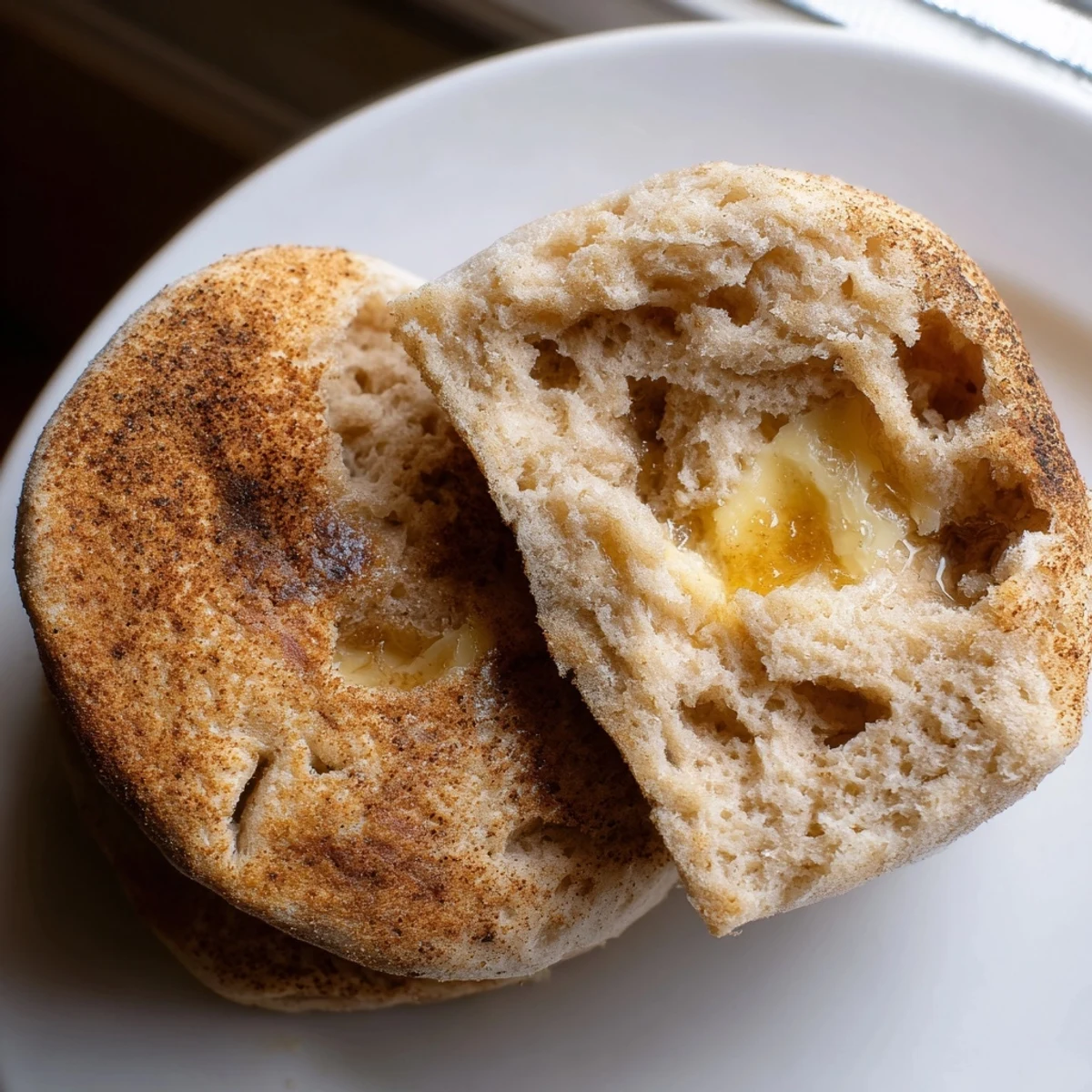
 Theres nothing quite like pulling a warm fresh English muffin apart watching steam escape into the kitchen air. Homemade ones have a soul and texture that store-bought versions can never quite capture.
Recipe Questions & Answers
- → How do I get the signature nooks and crannies?
-
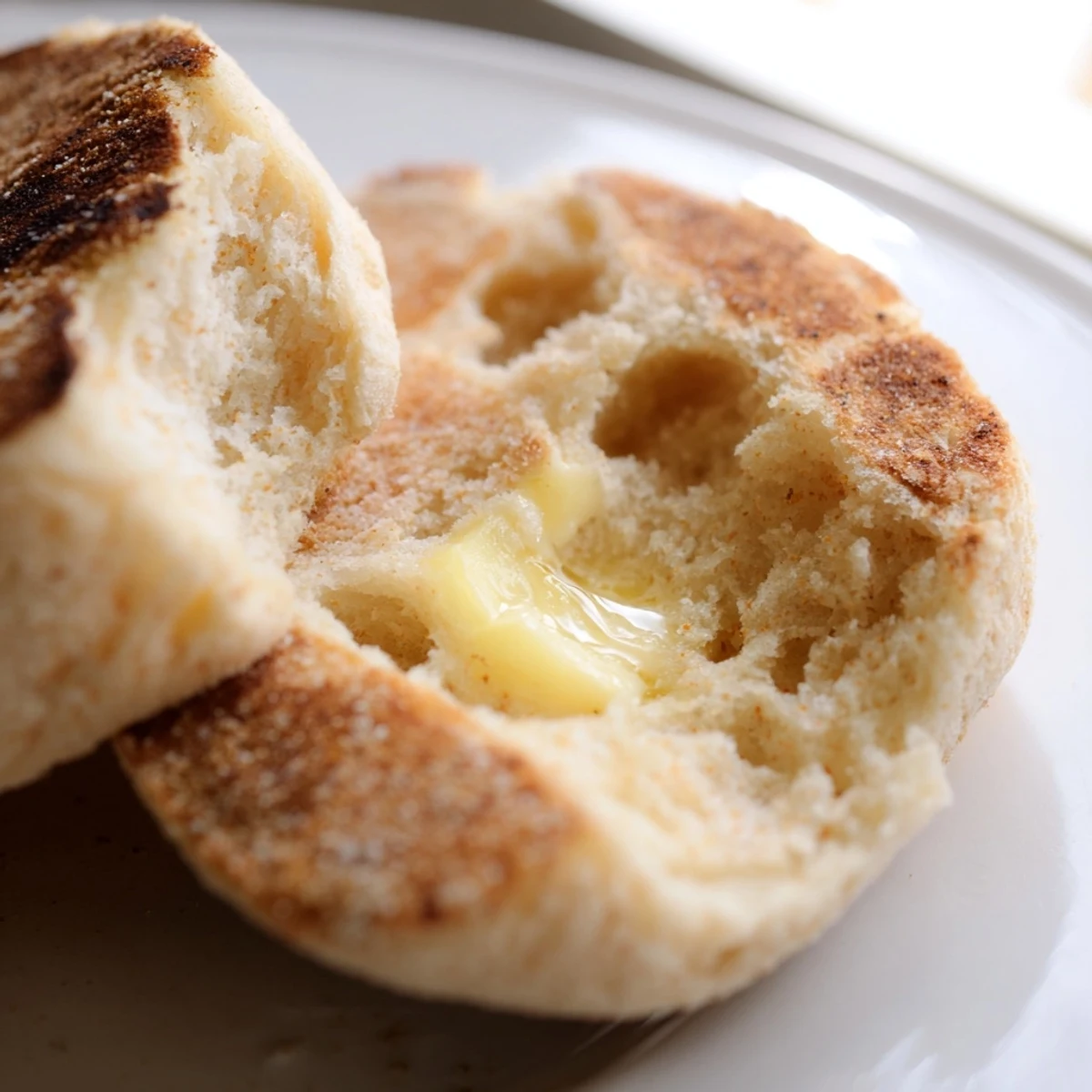
Always split English muffins with a fork rather than slicing with a knife. Gently pull apart around the edges while working the fork tines through the center to create those characteristic rough interior surfaces that perfectly hold butter and toppings.
- → Can I make these without a griddle?
-
Yes, a large cast iron skillet or heavy-bottomed frying pan works perfectly. The key is cooking over low-medium heat to ensure the centers cook through before the exterior becomes too dark. Preheat the pan thoroughly and adjust heat as needed during cooking.
- → Why do my muffins deflate when cooking?
-
This usually happens when the dough is over-proofed or the heat is too high. Let the muffins proof just until slightly puffed, not doubled. Start with medium-low heat and cook slowly—about 7-9 minutes per side—to allow the interior to set properly without collapsing.
- → How should I store homemade English muffins?
-
Store completely cooled muffins in an airtight container or plastic bag at room temperature for up to 3 days. For longer storage, freeze them individually wrapped in plastic wrap, then place in a freezer bag for up to 2 months. Toast directly from frozen.
- → What's the purpose of dusting with cornmeal?
-
Cornmeal or semolina prevents the muffins from sticking to the baking sheet during proofing and adds traditional texture and flavor. It also creates that classic slightly gritty exterior characteristic of authentic English muffins. Semolina yields a slightly crunchier finish.