
 Save to Pinterest
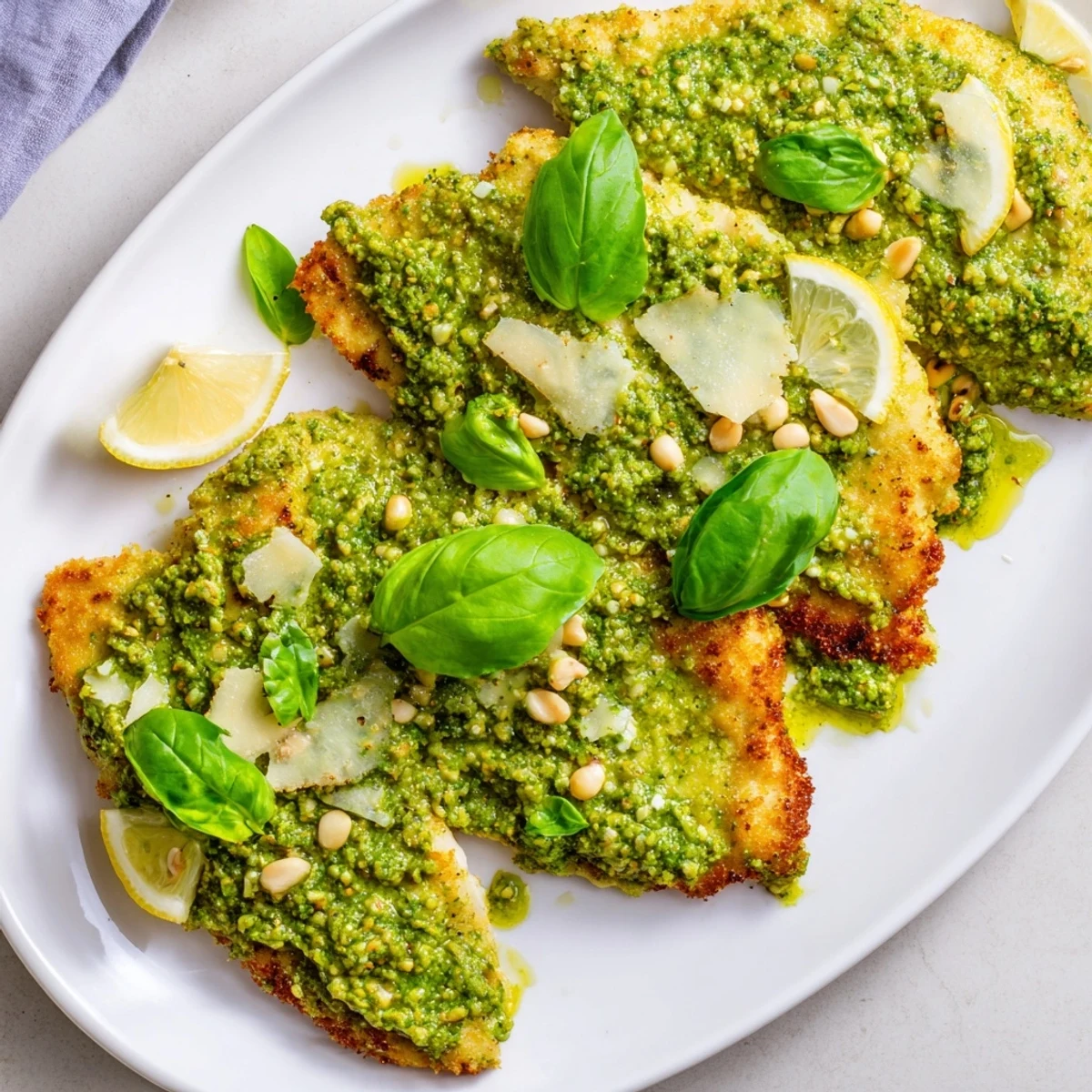
 This dish transforms simple chicken breasts into something special with a vibrant lemon-basil pesto topping. The fresh basil, garlic, Parmesan, and bright lemon create an aromatic sauce that bakes into golden perfection. Ready in just 40 minutes, it's an ideal choice for busy weeknights when you want something impressive yet effortless.
The pesto comes together quickly in a food processor—no cooking required. Just blend fresh basil with pine nuts, garlic, lemon zest and juice, Parmesan, and olive oil until smooth. Spread generously over seasoned chicken and bake until the pesto turns beautifully golden and the chicken stays juicy inside.
Serve with roasted vegetables, over pasta, or alongside a crisp salad for a complete meal. Leftover pesto keeps wonderfully for sandwiches, grain bowls, or as a quick sauce for grilled fish.
Last Tuesday I was scrambling for something that felt special but wouldn't keep me in the kitchen till midnight. The basil on my windowsill had gone wild, and there were three lonely lemons in the fruit bowl. That's when this lemon basil pesto chicken happened—completely by accident but absolutely gloriously.
I made this for my sister last month when she came over for dinner. She took one bite, set her fork down, and demanded the recipe right then at the table. There's something about that combination of zesty lemon and fragrant basil that makes people immediately comfortable, like you've been cooking it for them for years.
Ingredients
- Chicken breasts: Boneless and skinless works best here—they cook evenly and let that pesto really shine
- Fresh basil: Don't even think about dried basil. You need those tender leaves packed tight into your measuring cup
- Parmesan cheese: Freshly grated makes all the difference in texture and how it melts into the pesto
- Pine nuts: Walnuts work in a pinch, but pine nuts give that buttery finish that makes it feel restaurant-worthy
- Garlic cloves: Two large ones might feel aggressive, but they mellow beautifully in the oven
- Lemon: Both zest and juice—the zest brings the aromatic oils while the juice provides that bright acid
- Extra-virgin olive oil: This is the backbone of your pesto. Use the good stuff since you'll taste it
Instructions
- Get your oven ready:
- Preheat to 200°C (400°F) and grab a baking dish that'll fit all your chicken comfortably in one layer. A quick swipe of oil keeps everything happy later.
- Prep the chicken:
- Pat those breasts dry with paper towels—seriously, dry meat sears better. Rub them with olive oil, then season generously with salt and pepper on both sides. Arrange them in your dish like they're ready for their close-up.
- Make the magic pesto:
- Toss basil, Parmesan, pine nuts, garlic, lemon zest, lemon juice, salt, and pepper into your food processor. Pulse until everything's finely chopped and smelling like heaven.
- Bring it together:
- With the motor running, drizzle in that olive oil slowly. Watch it transform into this gorgeous vibrant green sauce. Stop to scrape down the sides—you want every bit incorporated.
- Coat and bake:
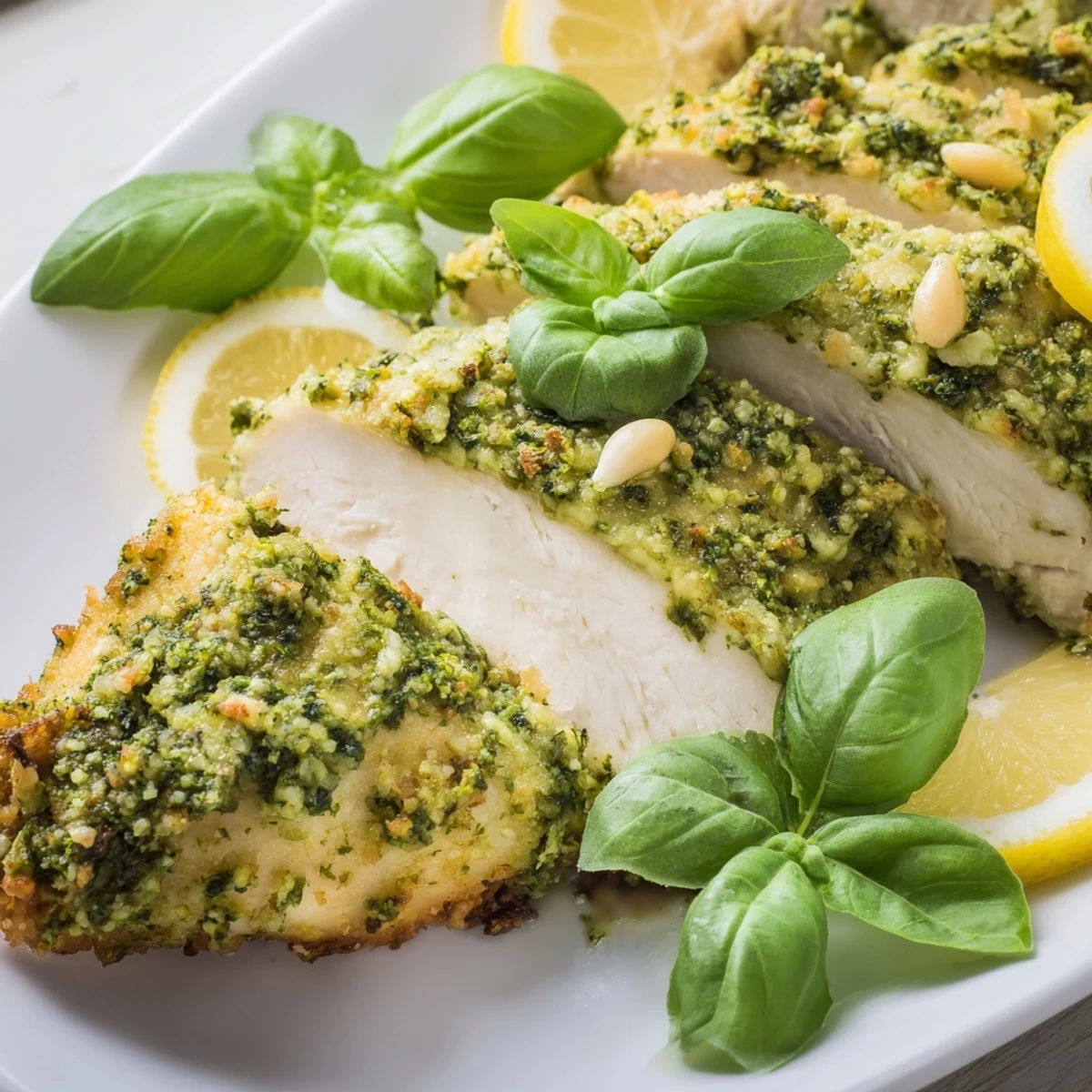
- Spoon a thick layer of pesto over each chicken breast, really covering the tops. Slide it into the oven for 20 to 25 minutes until the internal temp hits 74°C (165°F).
- Let it rest:
- Give those beauties 3 minutes to settle. Serve with any leftover pesto spooned over the top, plus lemon slices and extra basil if you're feeling fancy.
 Save to Pinterest
 This has become my go-to when friends say they're coming over and I haven't planned anything. There's something so reassuring about a dish that looks impressive but basically cooks itself while you pour wine and catch up.
Making It Ahead
You can make the pesto up to three days in advance and keep it in the fridge. Actually, it gets better after a day as the flavors meld together. Just give it a good stir before using—the oil might separate slightly but that's totally normal.
Side Dish Pairings
Roasted vegetables with a little balsamic drizzle work beautifully here. The sweetness from roasted vegetables plays nicely against the bright lemon. Or keep it simple with a crisp green salad dressed lightly—the pesto is rich enough that you don't need heavy sides.
Storage and Leftovers
Leftover chicken keeps beautifully in the fridge for up to three days. I love slicing it cold the next day and tucking it into a sandwich with some arugula and extra pesto. The flavors somehow get even better after a night mingling together.
- Never reheat pesto chicken in the microwave—it'll turn rubbery and sad
- Gently warm it in a 160°C (320°F) oven for about 10 minutes if you want it hot
- Room temperature is actually perfect for leftovers, especially over salads
 Save to Pinterest
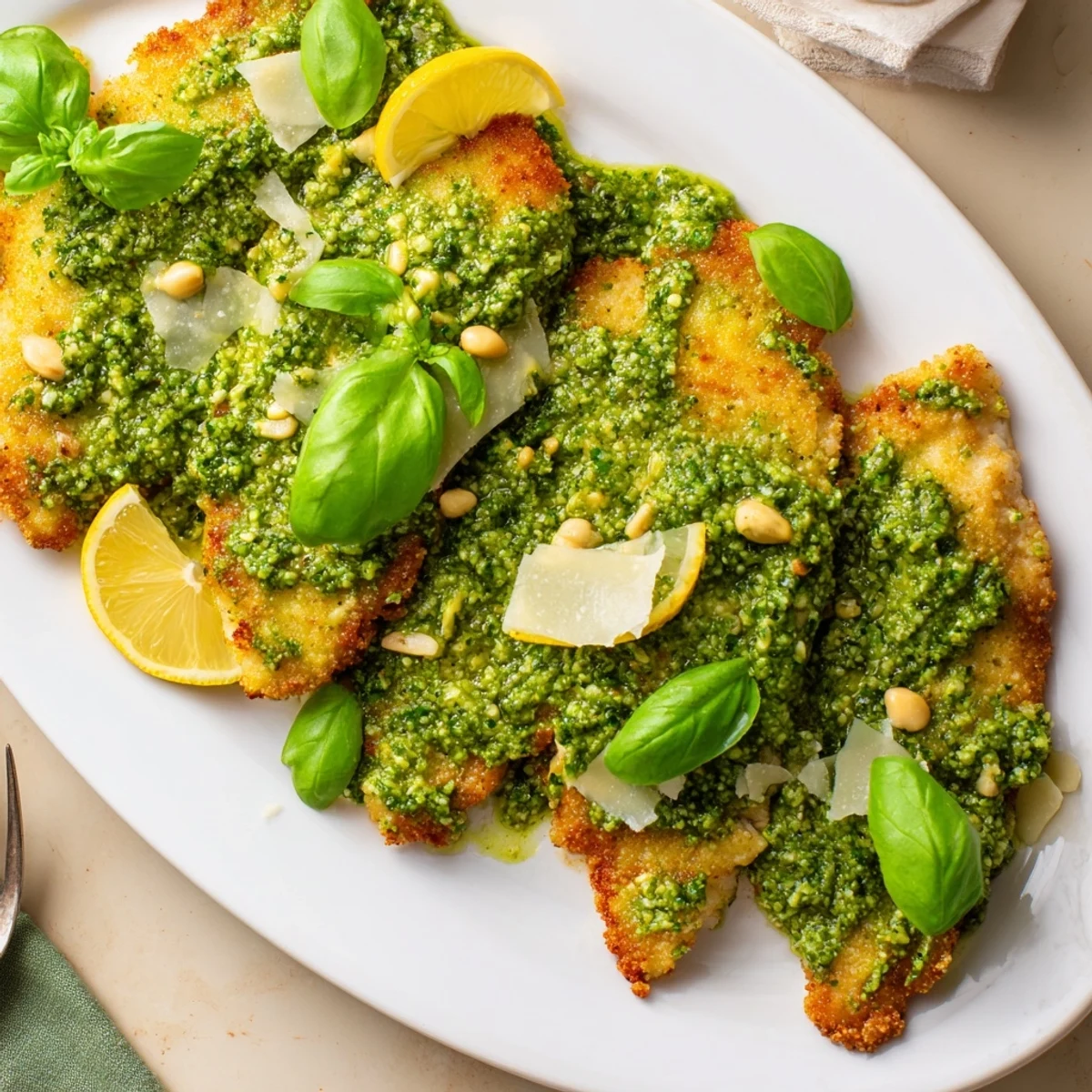
 Every time I make this, I'm reminded that the best recipes often come from moments of kitchen improv with whatever you have on hand.
Recipe Questions & Answers
- → Can I use store-bought pesto instead of homemade?
-
Yes, store-bought pesto works well in a pinch. Look for a basil-based variety and add fresh lemon zest and juice to replicate the bright, citrusy flavor that makes this dish special.
- → What temperature should the chicken be when done?
-
The chicken is safe to eat when it reaches an internal temperature of 74°C (165°F). Use a meat thermometer inserted into the thickest part of the breast to ensure doneness without overcooking.
- → Can I grill this instead of baking?
-
Absolutely. Grill the chicken over medium-high heat for 6-7 minutes per side. Apply the pesto during the last few minutes of cooking to prevent burning, or serve it as a finishing sauce.
- → How do I store leftovers?
-
Store cooled chicken in an airtight container in the refrigerator for up to 3 days. Reheat gently in the microwave or oven at 160°C (325°F) until warmed through.
- → What can I substitute for pine nuts?
-
Walnuts, almonds, or cashews make excellent alternatives. Toast them lightly before adding to the pesto for enhanced flavor and a similar creamy texture.
- → Is this dish freezer-friendly?
-
Freeze uncooked chicken breasts coated in pesto for up to 3 months. Thaw overnight in the refrigerator before baking. Already cooked chicken freezes well but the pesto may lose some vibrant color.