
 Save to Pinterest
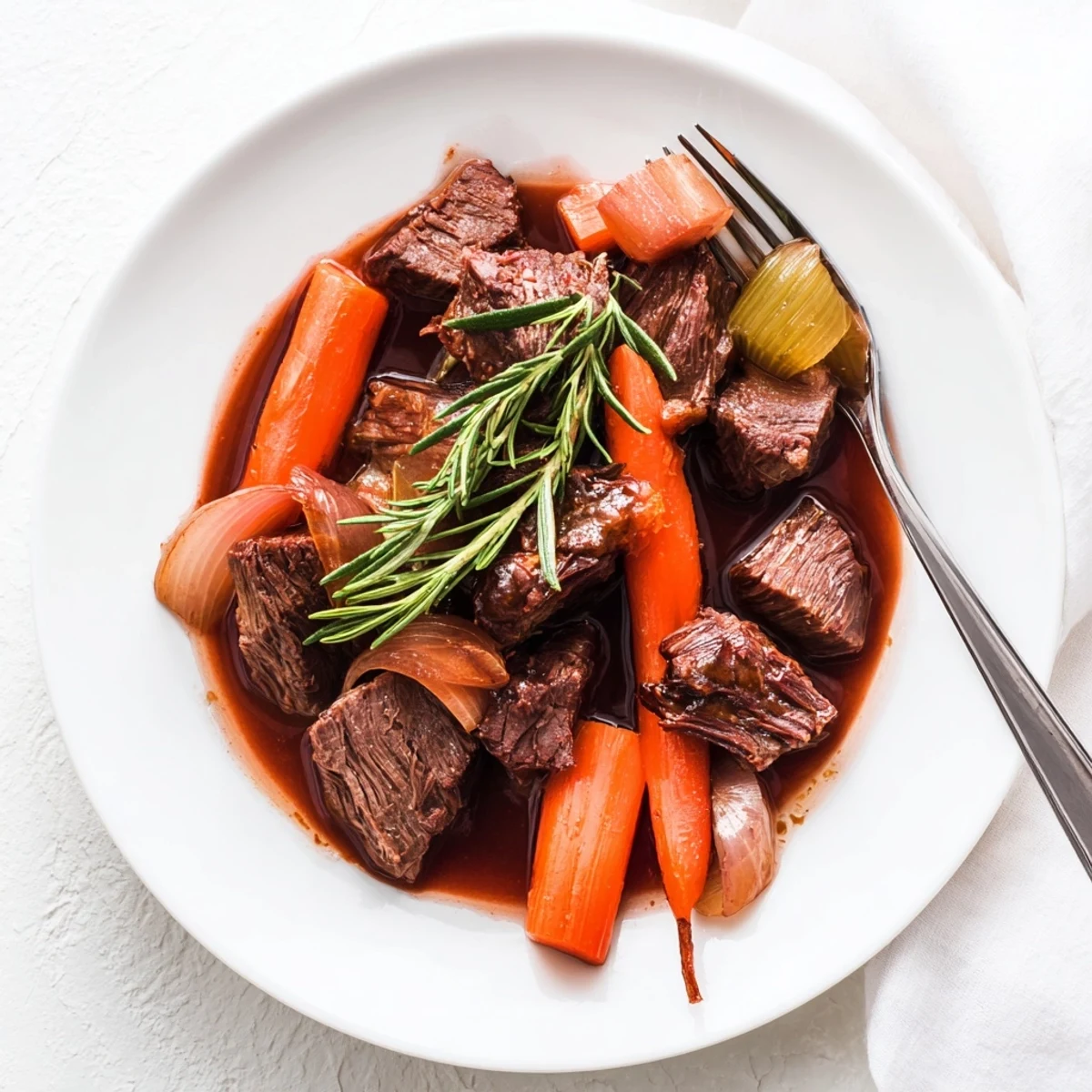
 This fork-tender beef chuck roast achieves melt-in-your-mouth texture through slow braising in red grape juice, creating a uniquely sweet and savory profile. The red grape juice provides subtle fruit sweetness that balances the rich beef, while aromatic vegetables like onions, carrots, and celery build deep flavor foundations. Fresh herbs including rosemary and thyme add earthy notes throughout the 3-hour cooking process. Serve with creamy mashed potatoes or buttered noodles to soak up the flavorful juices. The result is impressive enough for Sunday dinner yet simple enough for everyday comfort food.
The first time I braised meat in grape juice, I was honestly skeptical. My grandmother had mentioned it casually over Sunday dinner years ago, but I filed it away as one of those old-fashioned tricks that probably belonged in another era. Then came a snowy February afternoon when I had a chuck roast and zero red wine in the house. That impulsive experiment completely changed how I think about braising.
Last winter, my neighbor texted me at 4 PM asking what smelled so good. She ended up staying for dinner with her family, and now every time I make this, I get a playful text asking if the grape juice roast is happening again. Something about that aroma makes people feel immediately at home.
Ingredients
- 3 lbs beef chuck roast: Chuck roast has perfect marbling that breaks down beautifully during slow cooking, creating those tender threads of meat everyone fights over
- 2 tsp kosher salt and 1 tsp black pepper: Generous seasoning before searing creates that flavorful crust that transforms into rich depth during braising
- 2 tbsp olive oil: A high-heat oil helps achieve that gorgeous mahogany sear that adds layers of flavor
- 1 large yellow onion, sliced: Onions become sweet and jammy as they braise, forming the flavor backbone of the entire dish
- 3 cloves garlic, minced: Garlic mellows into something almost buttery after hours in the oven
- 3 large carrots and 2 celery stalks: These soak up all that grape juice goodness and become the most coveted vegetables on the plate
- 2 cups unsweetened red grape juice: This is the secret weapon, providing tannins and fruit notes without any alcohol
- 1 cup low-sodium beef broth: The broth balances the grape juice sweetness with savory depth
- 2 tbsp tomato paste: Tomato paste adds umami and helps thicken the braising liquid into something spoonable
- 2 sprigs fresh rosemary, 3 sprigs fresh thyme, and 2 bay leaves: These woody herbs hold up to long cooking and infuse the meat with aromatic warmth
Instructions
- Get your oven ready and season the meat:
- Preheat your oven to 325°F and pat the chuck roast completely dry with paper towels. Season it generously on all sides with the salt and pepper, pressing the seasoning into the meat.
- Create the sear that matters:
- Heat olive oil in a large Dutch oven over medium-high heat until it shimmers. Sear the roast for 3 to 4 minutes per side until it develops a deep brown crust that almost looks like caramel. Transfer the meat to a plate.
- Build the flavor foundation:
- In the same pot, add onions, carrots, and celery. Sauté for 5 minutes until the vegetables start to soften and the onions turn translucent. Add garlic and cook for just 1 minute more until fragrant.
- Wake up the tomato paste:
- Stir in the tomato paste and let it cook for 1 minute. You will notice it darken slightly and smell almost like tomatoes roasting.
- Deglaze with the grape juice magic:
- Pour in the red grape juice and beef broth, using a wooden spoon to scrape up every single browned bit from the bottom. Return the roast to the pot along with any juices on the plate.
- Add the aromatic herbs:
- Nestle the rosemary, thyme, and bay leaves into the liquid around the meat. Bring everything just to a simmer on the stovetop.
- Let the oven work its magic:
- Cover the pot tightly with its lid and transfer to the preheated oven. Braise for 3 hours, checking once or twice to make sure it is maintaining a gentle simmer.
- Finish and serve:
- Remove the pot from the oven and discard the bay leaves and herb stems. Let the meat rest for 10 minutes, then slice or shred it. Serve with the vegetables and plenty of those braising juices.
 Save to Pinterest
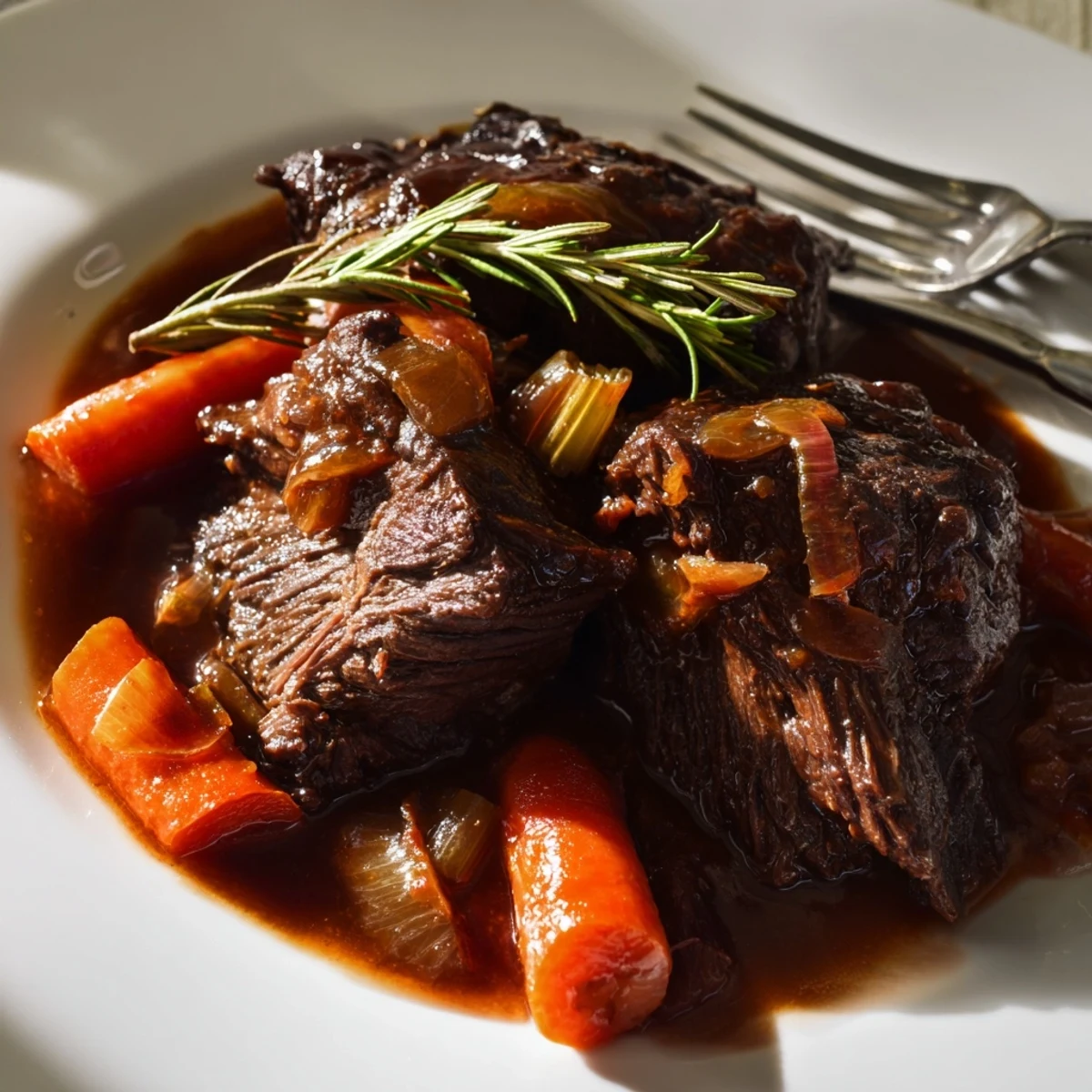
 This recipe has become my go-to for Sunday family dinners because it turns ordinary afternoons into something that feels like a celebration. There is something so special about a dish that takes care of itself while you enjoy the company.
Making This Your Own
Once I made this with pomegranate juice instead of grape juice, and the tangy brightness was absolutely stunning for a summer Sunday dinner. The technique stays the same but the flavor profile shifts dramatically.
Perfect Pairings
After years of experimentation, creamy mashed potatoes are still my favorite because they soak up that grape juice braising liquid like nothing else. Buttered egg noodles work beautifully too and somehow feel even more comforting.
Timing It Right
The beauty of this dish is that it gets better if you make it a day ahead and reheat gently. All the flavors have time to really get to know each other, and you can easily skim off any solidified fat before reheating.
- Set a timer when you put it in the oven because three hours goes faster than you expect
- If the sauce seems too thin, remove the meat and simmer the liquid on the stovetop until it thickens
- Leftovers freeze beautifully for those nights when cooking feels impossible
 Save to Pinterest
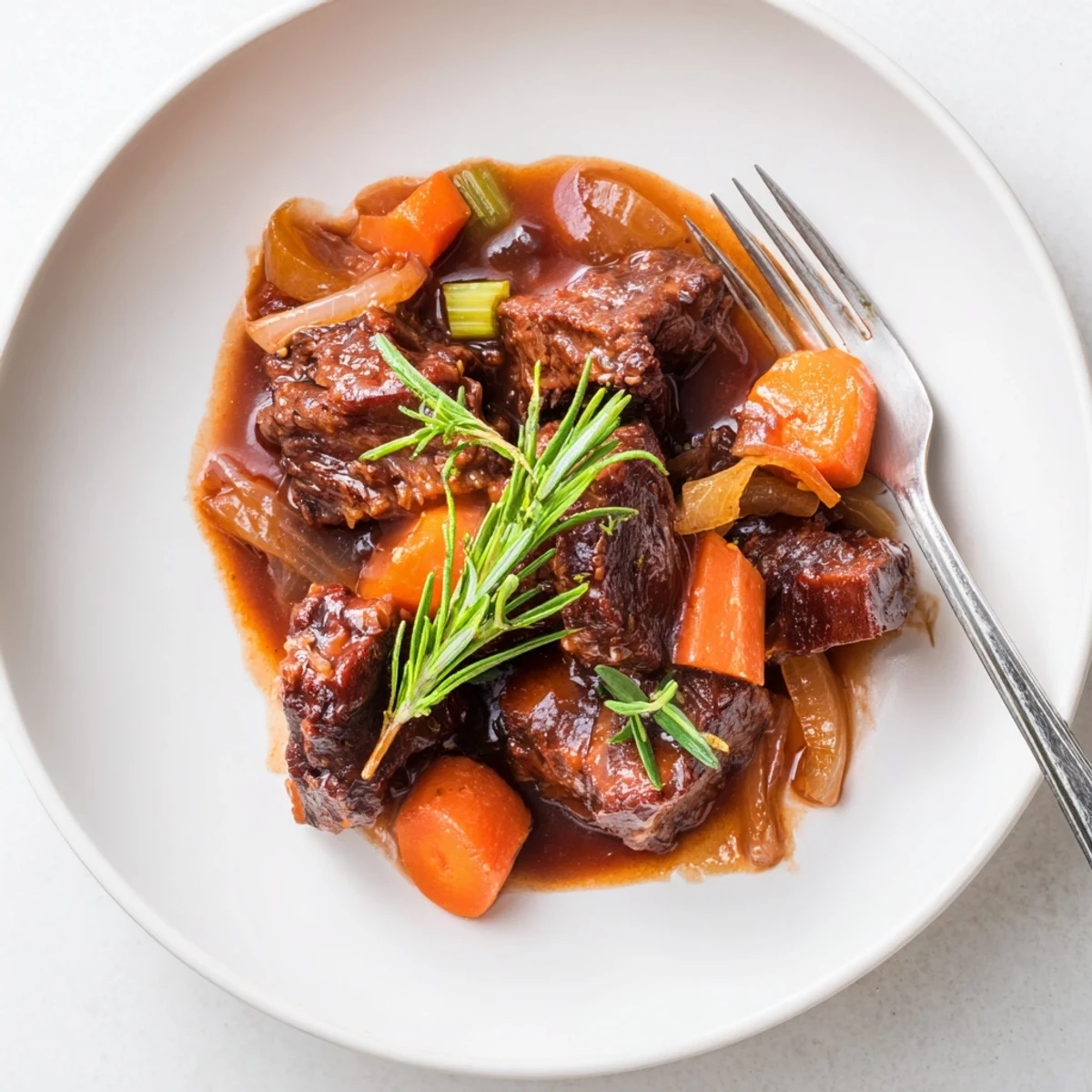
 There is nothing quite like lifting that lid after three hours and seeing meat so tender it is practically falling apart. This is the kind of recipe that reminds you why you fell in love with cooking in the first place.
Recipe Questions & Answers
- → What does red grape juice do to the beef?
-
Red grape juice adds subtle sweetness and fruit notes that complement the rich beef flavor while helping break down connective tissues during long braising. The natural sugars caramelize slightly and create depth similar to wine but without alcohol.
- → Can I substitute other juices for red grape juice?
-
Pomegranate juice works well for a tangier, more tart profile. Cranberry juice adds bright acidity. Apple juice provides milder sweetness. Avoid citrus juices as they're too acidic for long braising times.
- → How do I know when the chuck roast is done?
-
The beef is ready when it's fork-tender—insert a fork into the thickest part and twist gently. If it pulls apart easily with minimal resistance, it's done. This typically takes 3 hours at 325°F.
- → Should I sear the roast first?
-
Searing creates a flavorful brown crust through the Maillard reaction, adding depth to the final dish. While not strictly necessary, taking 3-4 minutes per side to develop deep color significantly enhances the finished flavor.
- → Can I make this in a slow cooker?
-
Yes—sear the beef first in a skillet, then transfer everything to your slow cooker. Cook on low for 7-8 hours or high for 4-5 hours until fork-tender. You may need to reduce the liquid amount slightly as slow cookers retain more moisture.