
 Save to Pinterest
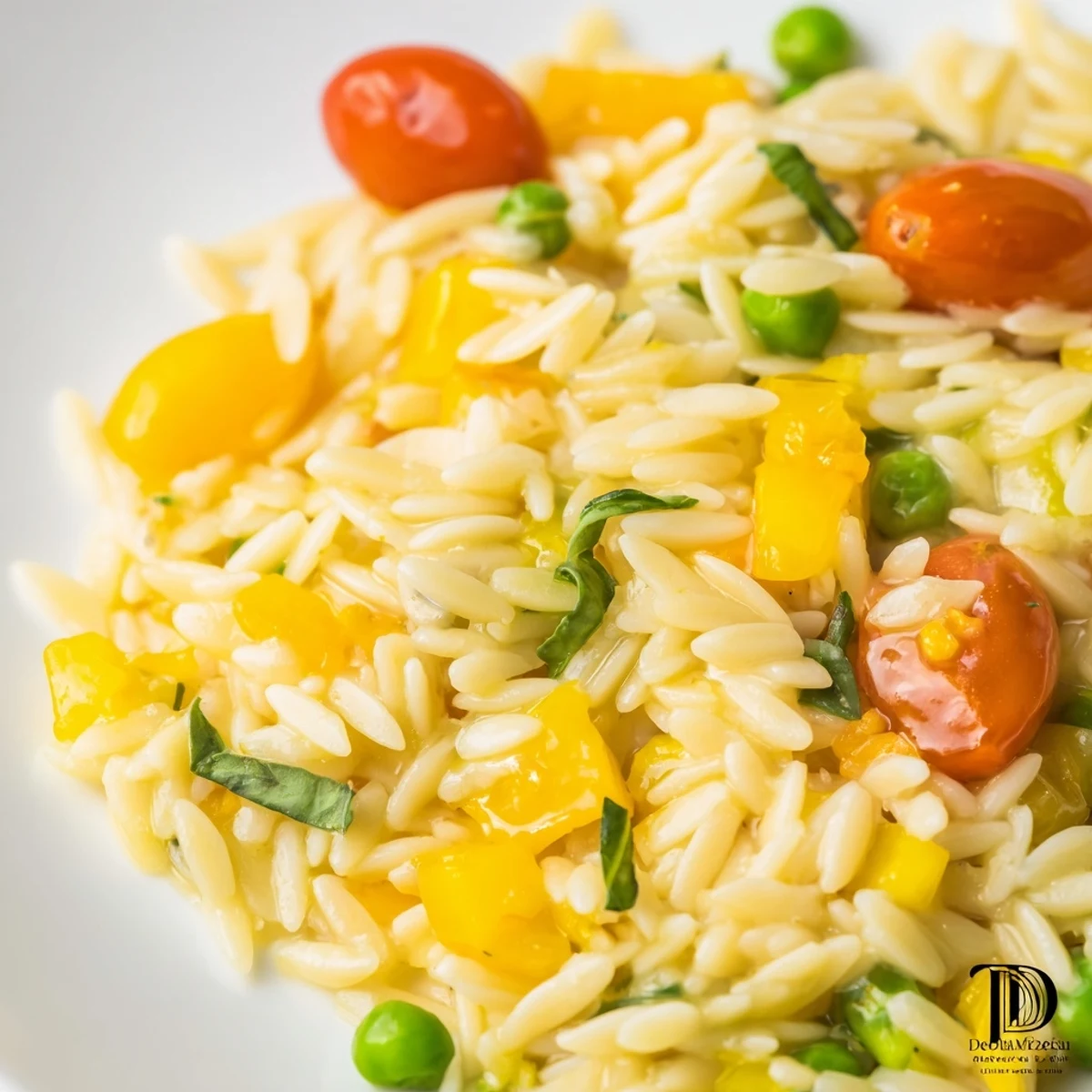
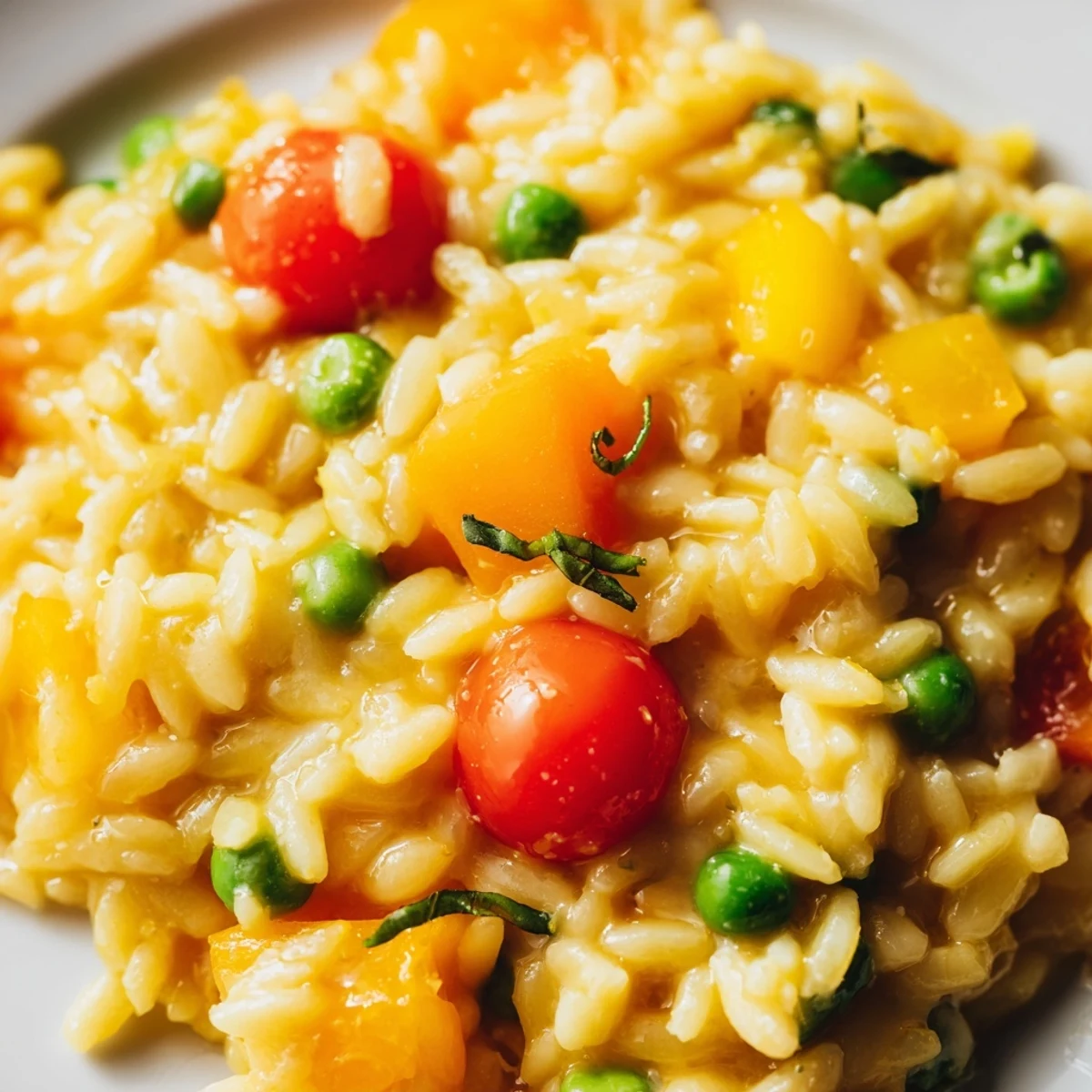
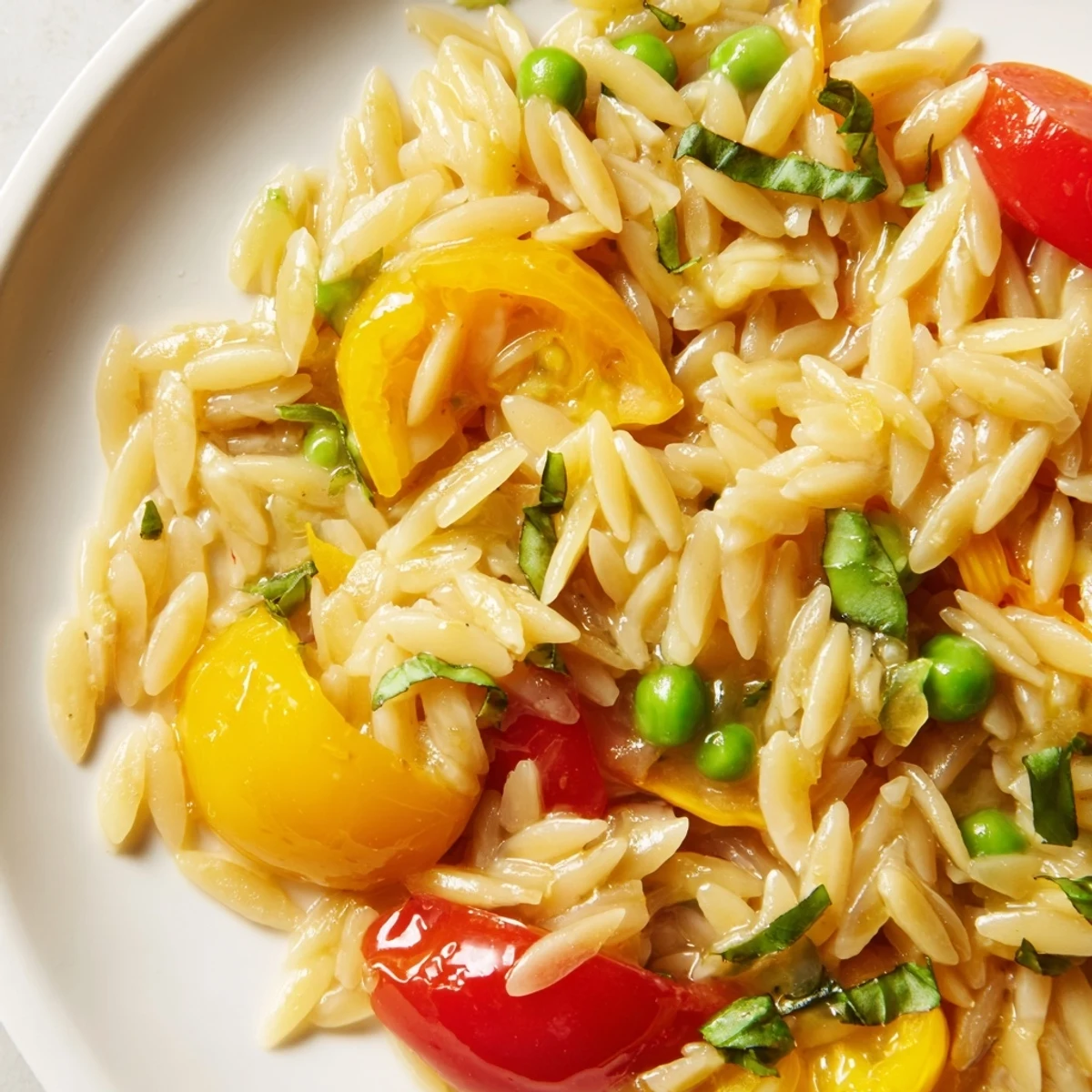
 This colorful Italian-inspired dish combines tender orzo pasta with a medley of fresh spring vegetables including zucchini, cherry tomatoes, bell pepper, asparagus, and sweet peas. The vegetables are sautéed until just tender, then tossed with the cooked pasta in a flavorful sauce made with olive oil, garlic, lemon zest, fresh lemon juice, and grated Parmesan. Fresh basil and parsley add brightness, while a splash of reserved pasta water creates a silky coating that brings everything together.
Ready in just 35 minutes, this versatile vegetarian main works beautifully for weeknight dinners or casual entertaining. The light yet satisfying flavors capture the essence of spring cooking, with the bright acidity of lemon balancing the richness of Parmesan and the natural sweetness of seasonal vegetables.
The first time I made orzo primavera was during a cramped dinner party in my tiny apartment kitchen. My friend Marco leaned against the counter watching me chop vegetables, telling me how his nonna would toss whatever was growing in the garden into pasta. I was skeptical about the frozen peas in my freezer, but he insisted that sometimes the humblest ingredients make the brightest dishes. That night, with wine glasses clinking and barely enough room to turn around, we discovered something magical about how tiny pasta shapes can hug each vegetable.
Last spring, my sister declared she was tired of heavy winter meals and needed something that felt like sunshine on a plate. I made a double batch of this primavera, and we ate it on the back porch with the windows thrown open. She said every bite tasted like the farmers market on a Saturday morning, when everything is fresh and the air still feels cool. Now she calls me every time she spots the first asparagus of the season.
Ingredients
- 250 g orzo pasta: This rice shaped pasta is the perfect size to catch all the little vegetables in every spoonful
- 1.5 L water: Having plenty of water keeps the pasta from clumping together as it cooks
- 1 tsp salt: Salting the cooking water is the only chance you get to season the pasta itself
- 1 small zucchini, diced: Choose one that feels firm and heavy for the best texture
- 1 cup cherry tomatoes, halved: They burst slightly and create little pockets of sweetness throughout the dish
- 1 yellow bell pepper, diced: The yellow variety is sweeter than red and adds beautiful color contrast
- 1 cup asparagus, cut into 2 cm pieces: Snap off the woody ends first, they should break naturally where the tender part begins
- 1 cup fresh or frozen peas: Even frozen peas work brilliantly here, just add them in the last minute of cooking
- 2 tbsp olive oil: This carries all the garlic and lemon flavors through the whole dish
- 3 cloves garlic, minced: Do not let it brown or it will turn bitter
- 1/2 cup grated Parmesan cheese: The salty, umami richness ties everything together beautifully
- Zest of 1 lemon: Use a microplane if you have one, it removes just the bright yellow zest without any bitter pith
- 2 tbsp fresh lemon juice: This brightness cuts through the cheese and makes the vegetables sing
- Salt and black pepper: Taste at the end and adjust, the Parmesan already brings quite a bit of salt
- 2 tbsp chopped fresh basil: Add it at the very end so it stays fragrant and green
- 2 tbsp chopped fresh parsley: Flat leaf parsley has more flavor than the curly variety
Instructions
- Get the pasta going:
- Bring the water and 1 tsp salt to a rolling boil in a large pot. Cook the orzo until it is al dente, usually about 8 minutes, but trust your taste buds more than the package timer. Drain the pasta but save that 1/2 cup of cloudy, starchy cooking water, it is liquid gold for making a silky sauce.
- Wake up the garlic:
- Heat the olive oil in a large skillet over medium heat. Add the minced garlic and let it sizzle for just one minute until you can smell it, watching carefully so it does not turn brown and bitter.
- Cook the vegetables:
- Add the zucchini, cherry tomatoes, yellow bell pepper, asparagus, and peas to the skillet. Sauté them for 4 to 5 minutes, stirring occasionally, until they are tender but still have a satisfying crunch when you bite them.
- Bring it all together:
- Add the drained orzo right into the skillet with all those colorful vegetables. Pour in the reserved pasta water and toss in the Parmesan, lemon zest, and lemon juice. Stir everything together until the cheese melts and the pasta water creates a light, creamy sauce that coats each little piece of orzo.
- Season and finish:
- Taste and add salt and pepper as needed, remembering the Parmesan is already salty. Remove the skillet from the heat and scatter the fresh basil and parsley on top, letting the warmth of the pasta release their oils.
- Serve it up:
- Scoop the primavera into warm bowls and pass extra Parmesan around the table. The first bite should be a little bit tangy, a little bit creamy, and full of crunch from the vegetables.
 Save to Pinterest
 My neighbor texted me at 11pm one night, desperate because she had unexpectedly invited her new boss to dinner the next evening. I told her to buy orzo and whatever vegetables looked good at the grocery store, then walked her through the steps over the phone. She called me two hours later saying it was the first time she had ever cooked something that felt impressive without being complicated, and she got the promotion.
Making It Your Own
Once I made this with roasted red peppers instead of fresh when that was all I had in the pantry. The smoky sweetness changed the whole character of the dish, and honestly, I loved it just as much. The technique matters more than the exact vegetables, so use what you have or what looks beautiful at the market.
Wine Pairing
A crisp Pinot Grigio is classic, but I also love an unoaked Chardonnay or even a dry rosé with all these spring vegetables. The acid in the wine should match the brightness of the lemon, and you want something refreshing that will not overpower the delicate flavors. Avoid heavy oaky wines that will clash with the light, fresh vegetables.
Make Ahead Strategy
You can chop all the vegetables up to a day in advance and store them in the refrigerator. The pasta cooks so quickly that it is better freshly made, but the vegetable prep saves so much time on busy weeknights.
- Keep the Parmesan grated and ready in a small container
- Measure out the lemon juice and zest in advance if you are serving a crowd
- Reserve extra pasta water, you can always use more to loosen leftovers the next day
 Save to Pinterest
 Something about tiny pasta shapes and colorful vegetables makes people happy before they even take a bite. I hope this becomes your go to for nights when you want something that feels special but does not require exhausting yourself in the kitchen.
Recipe Questions & Answers
- → Can I make orzo primavera ahead of time?
-
Yes, you can prepare the vegetables and sauce components in advance. Store cooked vegetables and pasta separately in the refrigerator for up to 2 days. Reheat gently with a splash of water or olive oil to restore creaminess, then finish with fresh herbs and Parmesan before serving.
- → What vegetables work best in orzo primavera?
-
Spring vegetables shine in this dish. Zucchini, cherry tomatoes, bell peppers, asparagus, and peas provide excellent texture and flavor. You can also substitute snap peas, green beans, or baby spinach based on seasonal availability and personal preference.
- → How do I prevent orzo from becoming mushy?
-
Cook orzo until al dente according to package directions, usually about 8-10 minutes. Drain immediately and rinse briefly with cool water to stop the cooking process. Reserve some pasta water before draining—this starch helps create a creamy sauce when tossed with the vegetables.
- → Can orzo primavera be made gluten-free?
-
Yes, substitute the orzo with gluten-free pasta shaped similarly, such as brown rice orzo or small gluten-free macaroni. Cook times may vary slightly, so check for doneness earlier. Ensure all other ingredients, including packaged vegetables and seasonings, are certified gluten-free.
- → What proteins can I add to make it more substantial?
-
Grilled chicken strips, sautéed shrimp, or white beans complement the flavors beautifully. Cook proteins separately and fold them in during the final toss. For a plant-based protein boost, consider adding chickpeas or cubed tofu along with the vegetables.
- → How should I store and reheat leftovers?
-
Store cooled leftovers in an airtight container in the refrigerator for up to 3 days. Reheat in a skillet over medium-low heat with a tablespoon of water or olive oil, stirring occasionally. The pasta may absorb more liquid as it sits, so add extra pasta water or olive oil as needed to restore creaminess.