
 Save to Pinterest
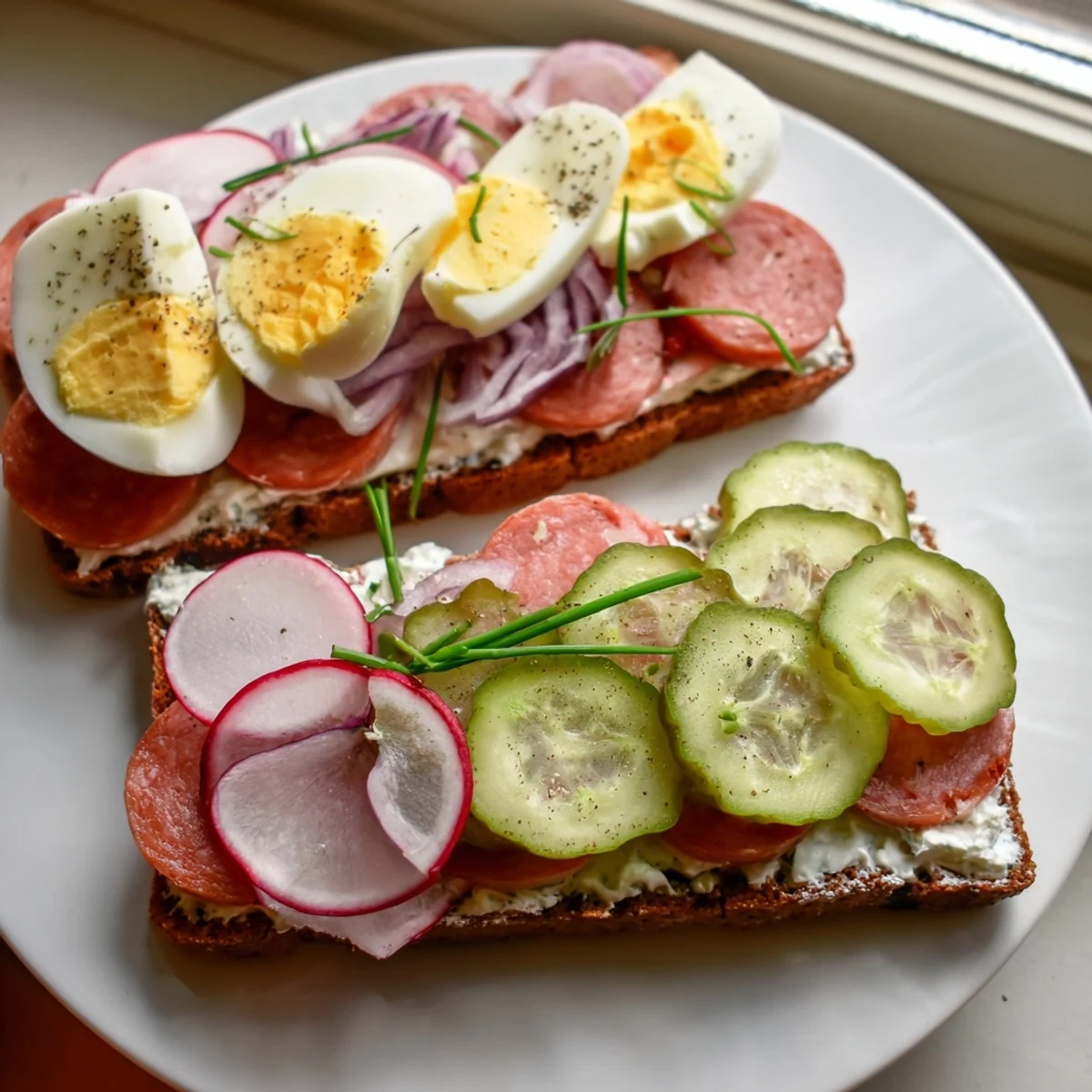
 Polish kanapki are vibrant open-faced sandwiches built on slices of rye or rustic white bread, generously spread with butter or cream cheese.
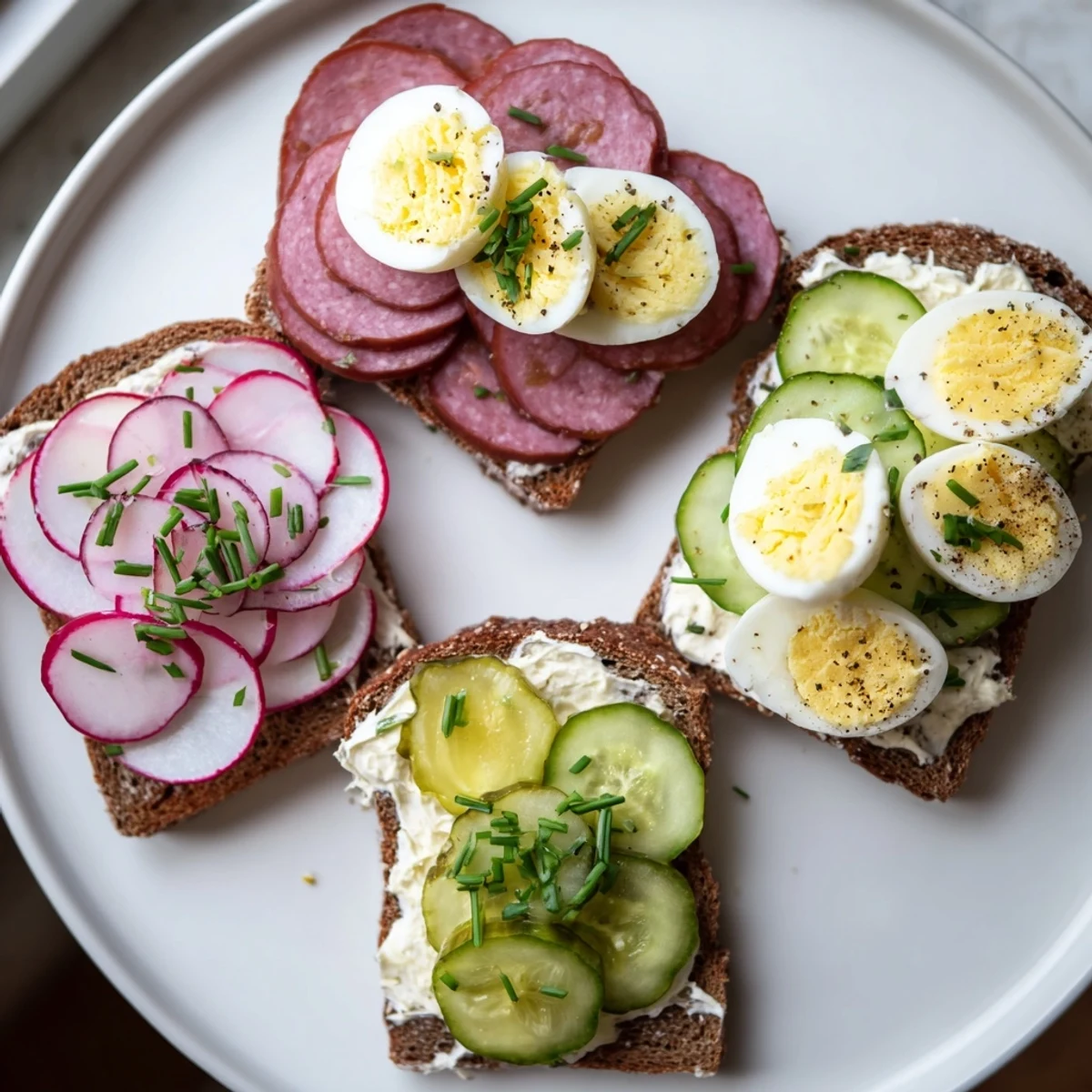
Each slice is topped with a combination of smoked ham, kielbasa, hard-boiled eggs, crisp cucumbers, radishes, tomatoes, and tangy pickles.
Finished with a sprinkle of fresh chives and a crack of black pepper, they come together in just 15 minutes with no cooking required.
Ideal for breakfast, lunch, or as a crowd-pleasing appetizer at gatherings, kanapki are endlessly customizable to suit vegetarian preferences too.
Something about a well made kanapka stops time in a Polish kitchen. My friend Magda once assembled an entire tray of these open faced beauties while barely looking up from her phone, hands moving with the casual confidence of someone whod been building sandwiches since age five. I stood there stupidly holding a butter knife, realizing this was architecture, not cooking. That afternoon taught me that the simplest foods often carry the deepest cultural muscle memory.
I made a platter of kanapki for a housewarming party once, fully expecting them to be ignored next to the hot dishes people brought. They vanished in eleven minutes. My friend Tomasz held up his third one, shrugged, and said what do you expect, bread and butter is the honest answer to everything. He was right.
Ingredients
- Rye bread or rustic white bread (8 slices): The foundation matters more than anything else here. Dense, slightly sour rye is traditional and holds toppings without collapsing under pressure.
- Unsalted butter, softened (4 tbsp): Leave it out for an hour before you start. Cold butter tears the bread and ruins the whole point of this exercise.
- Cream cheese (100 g, optional): A thin layer under heavier toppings adds creaminess and acts as edible glue for slippery ingredients.
- Smoked ham (4 slices): Fold it rather than laying it flat. A folded slice looks abundant and keeps the texture interesting.
- Polish sausage or kielbasa (4 slices, thinly sliced): Cut these paper thin on a slight diagonal so each piece curls beautifully over the bread.
- Hard-boiled eggs (4 slices): Boil them until the yolk is just set with no gray ring. Slice with a wet knife for clean edges.
- Cucumber (1 small, thinly sliced): Use a mandoline if you have one. Uniform thin slices lay flat and look intentional rather than sloppy.
- Radishes (4, thinly sliced): Their peppery crunch cuts through the richness of butter and meat perfectly.
- Tomato (1 small, thinly sliced): Pat the slices dry with a paper towel first to prevent soggy bread.
- Red onion (1/4, thinly sliced): Soak the slices in ice water for five minutes if you want to tame the bite.
- Cornichons or Polish pickles (8 small, sliced): Their briny snap is what makes a kanapka feel genuinely Polish rather than just an open faced sandwich.
- Fresh chives (2 tbsp, finely chopped): Scatter these last. They add a fresh onion flavor and make everything look finished.
- Salt and black pepper: Use a light hand. The pickles and cured meats already bring salt to the party.
Instructions
- Prepare your stage:
- Lay all eight bread slices on a clean cutting board or serving platter. Look at them as eight blank pages waiting for their own story.
- Spread the foundation:
- Using a small knife, spread each slice with a thin, even layer of softened butter, or butter plus a whisper of cream cheese for richer versions. Cover every edge because exposed bread dries out quickly.
- Build each kanapka:
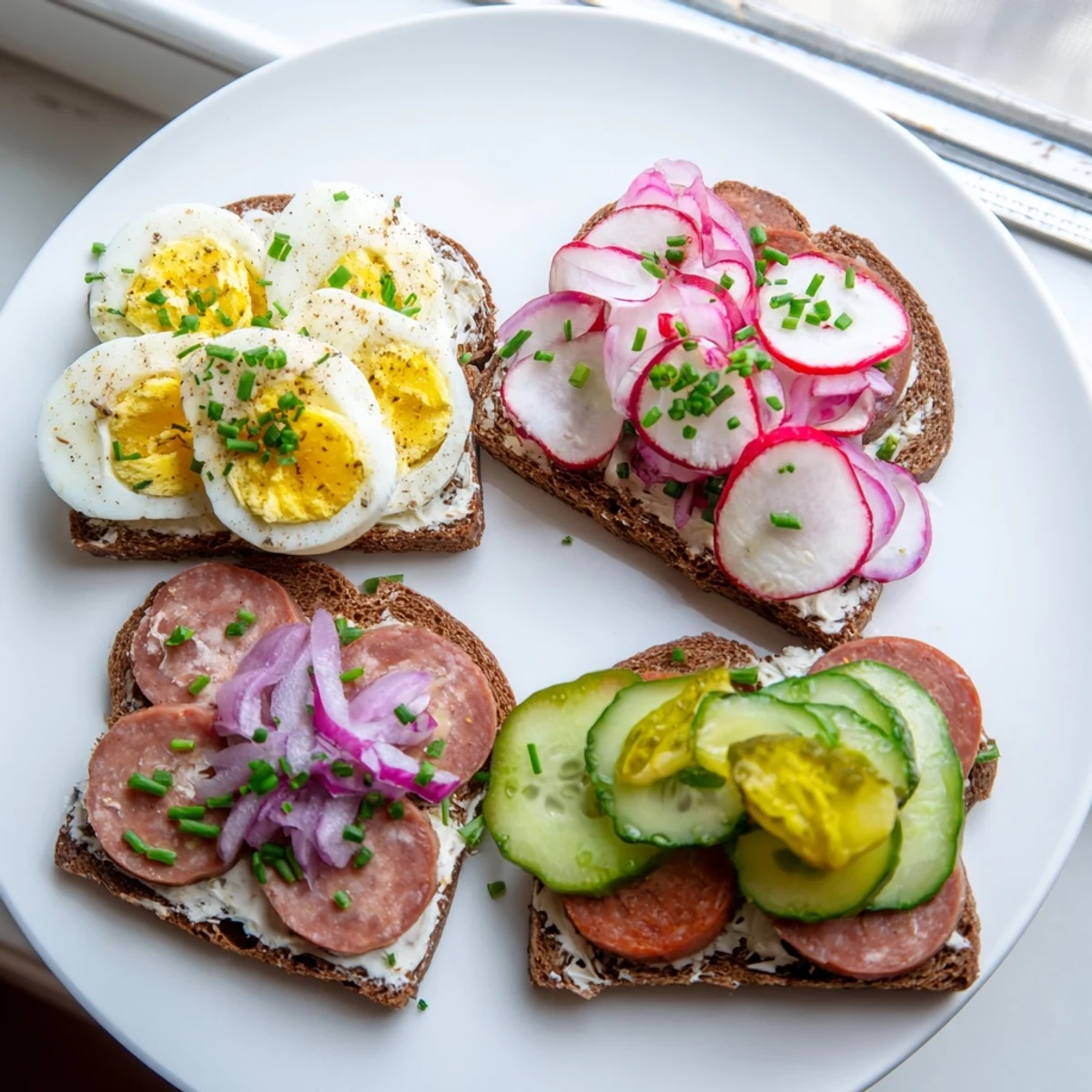
- Arrange your chosen toppings on each slice with a little care and a relaxed hand. Combine ham with cucumber on some, egg with radish on others, kielbasa with onion on the rest.
- Season with intention:
- A tiny pinch of salt and a few grinds of pepper over each slice is all you need. Taste one before committing to the whole tray.
- Add the finishing touches:
- Tuck pickle slices beside or on top of the main ingredients and scatter chives generously over everything. This is where each kanapka transforms from bread with stuff on it into something with presence.
- Serve right away:
- Carry the platter to the table immediately because kanapki wait for no one. The bread is best before the butter starts absorbing into the toppings.
 Save to Pinterest
 There is a particular quiet in a kitchen where someone is building kanapki for someone they care about. Each slice is a small decision about what that person likes, a tiny act of paying attention.
Vegetarian Variations Worth Trying
Skip the meat entirely and double down on roasted red peppers, marinated mushrooms, or thick slices of smoked cheese. A layer of horseradish cream under roasted vegetables turned my vegetarian friend Agnieszka into someone who requests kanapki at every gathering now.
What to Drink Alongside
Strong black tea with lemon is the traditional Polish companion and honestly it works better than anything else. A cold light lager also does the job beautifully, especially in summer when the windows are open and nobody is in a hurry.
Pantry Shortcuts and Last Minute Saves
You do not need every topping listed here to make great kanapki. Some of the best ones I have eaten had nothing more than good butter, sliced pickles, and a shake of pepper on decent rye.
- Keep a jar of Polish pickles in your refrigerator at all times and you are never more than ten minutes from a proper snack.
- Frozen rye bread toasts up perfectly, so do not worry about freshness if that is what you have.
- Remember that the best kanapka is the one made with whatever is already sitting in your kitchen.
 Save to Pinterest
 A plate of kanapki handed across a table says you are welcome here without anyone needing to speak. That is the whole point.
Recipe Questions & Answers
- → What type of bread works best for kanapki?
-
Dense, thinly sliced rye bread or rustic white bread works best. The bread should be sturdy enough to hold toppings without sagging, and slightly stale slices actually perform well.
- → Can I prepare kanapki ahead of time?
-
It's best to assemble them shortly before serving to keep the bread from becoming soggy. You can prep all toppings and spreads in advance, then arrange everything just before your guests arrive.
- → What are traditional Polish toppings for kanapki?
-
Classic toppings include sliced kielbasa, smoked ham, hard-boiled eggs, cucumbers, radishes, tomatoes, pickles, and fresh chives. A generous layer of butter or cream cheese serves as the base spread.
- → How do I make vegetarian kanapki?
-
Simply skip the meat and load up on vegetables like cucumber, radish, tomato, and red onion. Add sliced cheeses, hummus, or egg slices for protein. Horseradish cream makes an excellent spread variation.
- → Are kanapki served cold or warm?
-
Kanapki are served at room temperature or chilled. Since all components are pre-cooked or raw, there's no cooking involved. Serve immediately after assembling for the freshest taste and best texture.
- → What beverages pair well with Polish open-faced sandwiches?
-
Hot tea is the most traditional pairing in Poland, especially for breakfast. For gatherings, a cold lager or pilsner complements the savory cured meats and pickles nicely.