
 Save to Pinterest
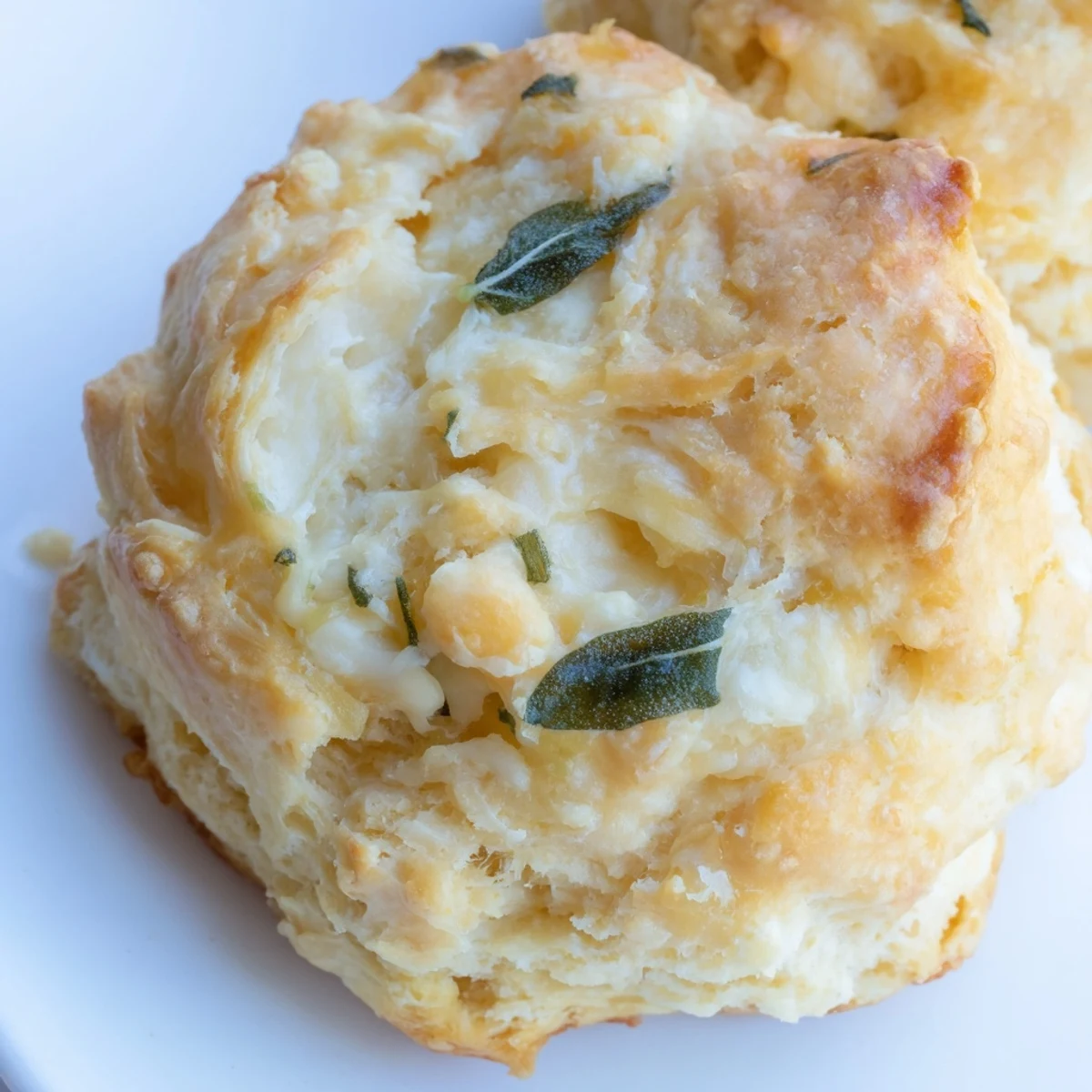
 These golden biscuits deliver flaky layers and rich flavor from cold butter and tangy buttermilk. Fresh sage adds earthy notes while grated Gruyere creates savory pockets throughout. The dough comes together quickly—just 20 minutes of prep before baking until perfectly golden.
Ideal for breakfast alongside eggs, as part of a brunch spread, or to accompany soups and salads. The key is keeping butter cold and handling dough minimally for maximum rise. Brush tops with cream for extra browning, or add cayenne for subtle heat.
The kitchen was already warm from the oven when I first pulled these sage and Gruyere biscuits from the heat, that incredible nutty cheese smell filling every corner of the room. My roommate appeared instantly, bread basket in hand, and we stood there burning our fingers just to taste one while they were still too hot to handle. That happened fifteen years ago and I have made them at least once a month ever since.
Last autumn I made a triple batch for a cozy Sunday brunch, watching friends break them open and slather with butter while steam curled into the morning light. Someone asked for the recipe and three people at the table admitted they were the best biscuits they had ever tasted, which is saying something coming from a crowd of home cooks.
Ingredients
- 2 cups all purpose flour: The foundation of any good biscuit, providing structure while staying tender when handled with care
- 1 tbsp baking powder: Essential for that impressive rise and fluffy interior we all want in our biscuits
- 1/2 tsp baking soda: Works with the buttermilk to create extra lift and a tender crumb
- 1/2 tsp fine sea salt: Enhances all the flavors and balances the richness
- 1/2 tsp freshly ground black pepper: Adds a subtle warmth that complements both the sage and Gruyere beautifully
- 1/2 cup unsalted butter cold and cubed: Cold butter creates those flaky layers as it melts in the oven
- 1 cup Gruyere cheese grated: Nutty and slightly sweet, this cheese transforms ordinary biscuits into something extraordinary
- 3/4 cup buttermilk cold: Provides tang and tenderness while reacting with leaveners for maximum rise
- 2 tbsp fresh sage finely chopped: Earthy and aromatic, sage pairs perfectly with both butter and Gruyere
- 1 tbsp milk or cream: Optional brushing for that gorgeous golden finish
Instructions
- Get your oven ready:
- Preheat oven to 425°F and line a baking sheet with parchment paper while your ingredients stay cold
- Mix the dry base:
- Whisk together flour, baking powder, baking soda, salt, and pepper in a large bowl until everything is evenly combined
- Cut in the butter:
- Add cold butter cubes and use a pastry cutter or your fingertips to work it into the flour until you see coarse crumbs with some pea sized pieces remaining
- Add the flavor makers:
- Stir in the grated Gruyere and chopped sage until they are distributed throughout the flour mixture
- Bring it together:
- Pour in cold buttermilk and mix gently with a fork just until the dough holds together, being careful not to overwork it
- Shape the dough:
- Turn onto a lightly floured surface and pat into a rectangle about one inch thick
- Cut your biscuits:
- Press straight down with a floured biscuit cutter without twisting, then gather scraps and repeat
- Prepare for baking:
- Arrange biscuits one inch apart on your prepared sheet and brush tops with milk or cream if you want them extra golden
- Bake to perfection:
- Bake for 14 to 16 minutes until the tops are beautifully golden brown and the cheese is bubbly
- Serve warm:
- Let them cool just slightly on the baking sheet before serving with salted butter or honey
 Save to Pinterest
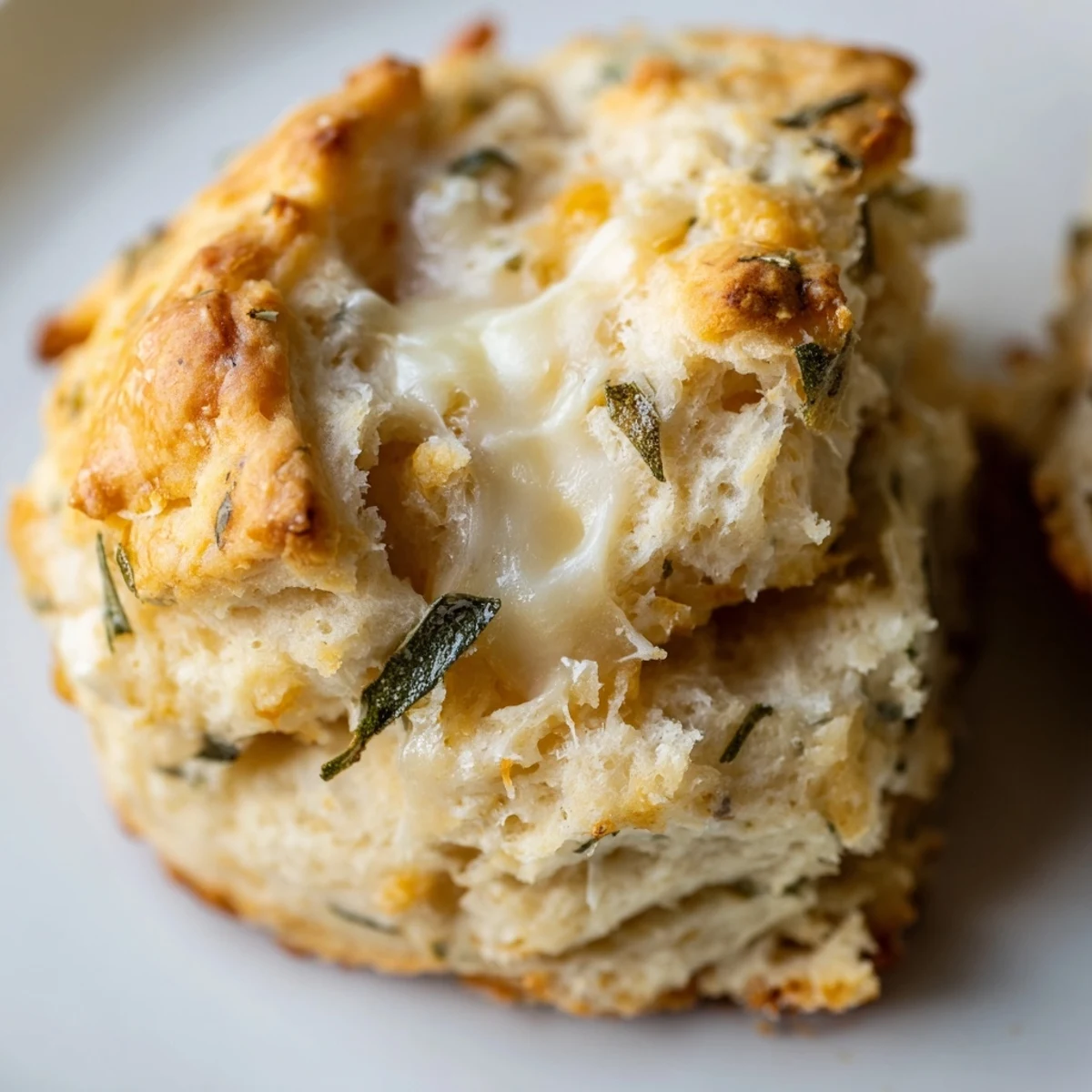
 These biscuits became my signature contribution to every potluck and holiday gathering, the kind of dish people actually remember and ask about months later. Something about cutting into a hot biscuit and watching steam escape with that sage and cheese aroma feels like comfort itself.
Make Ahead Magic
You can cut the biscuits and freeze them raw on a baking sheet, then transfer to a bag and bake directly from frozen for fresh biscuits any time. Just add a couple extra minutes to the baking time and nobody will know the difference.
Cheese Variations
While Gruyere is absolutely perfect here, a sharp cheddar brings a different but equally delicious personality to these biscuits. Sometimes I do half and half for the best of both worlds, or throw in some Parmesan for extra salty depth.
Serving Ideas
These biscuits are incredibly versatile beyond just eating them plain. Split them and use for breakfast sandwiches with scrambled eggs, serve alongside soups and stews, or turn them into mini sliders with ham and extra Gruyere.
- Try honey butter for a sweet contrast to the savory cheese
- Add a pinch of cayenne to the dry ingredients if you like some heat
- Reheat day old biscuits in a hot oven for five minutes to refresh
 Save to Pinterest
 There is something deeply satisfying about pulling a tray of homemade biscuits from the oven, golden and steaming, and knowing you created that comfort with your own hands. These particular ones have become part of my kitchen story, showing up at family dinners, lonely weeknight meals, and every occasion in between.
Recipe Questions & Answers
- → Can I use dried sage instead of fresh?
-
Yes, substitute 1 tablespoon fresh sage with 1 teaspoon dried sage. Dried herbs are more concentrated, so use less. Rub the dried sage between your fingers before adding to release its oils and distribute the flavor evenly throughout the dough.
- → What can I substitute for buttermilk?
-
Mix ¾ cup regular milk with 1 tablespoon white vinegar or lemon juice. Let it sit for 5-10 minutes until slightly thickened. This homemade alternative provides the same acidity needed to activate baking powder and create tender biscuits.
- → Why shouldn't I twist the biscuit cutter?
-
Twisting seals the edges, preventing proper rising during baking. Press straight down and lift up cleanly. This creates clean edges that allow the biscuits to expand and achieve maximum flakiness. A sharp cutter also helps achieve clean cuts without compressing the dough.
- → Can I freeze unbaked biscuits?
-
Cut biscuits and arrange on a parchment-lined baking sheet. Freeze until solid, then transfer to a freezer bag for up to 3 months. Bake frozen biscuits at 425°F for 18-20 minutes, adding a few extra minutes. No need to thaw first.
- → How do I know when biscuits are done?
-
Biscuits are ready when tops are golden brown and bottoms are lightly browned. They should sound hollow when tapped on the bottom. Internal temperature should reach 205°F. Slight underbaking yields softer biscuits, while fully baked ones are crispier outside with tender interiors.
- → What other cheeses work well?
-
Sharp cheddar, aged Gouda, or Parmesan create delicious variations. For milder flavor, try Swiss or Monterey Jack. Mixing cheeses like half Gruyere and half sharp cheddar adds complexity. Use freshly grated cheese for better melting and distribution.