
 Save to Pinterest
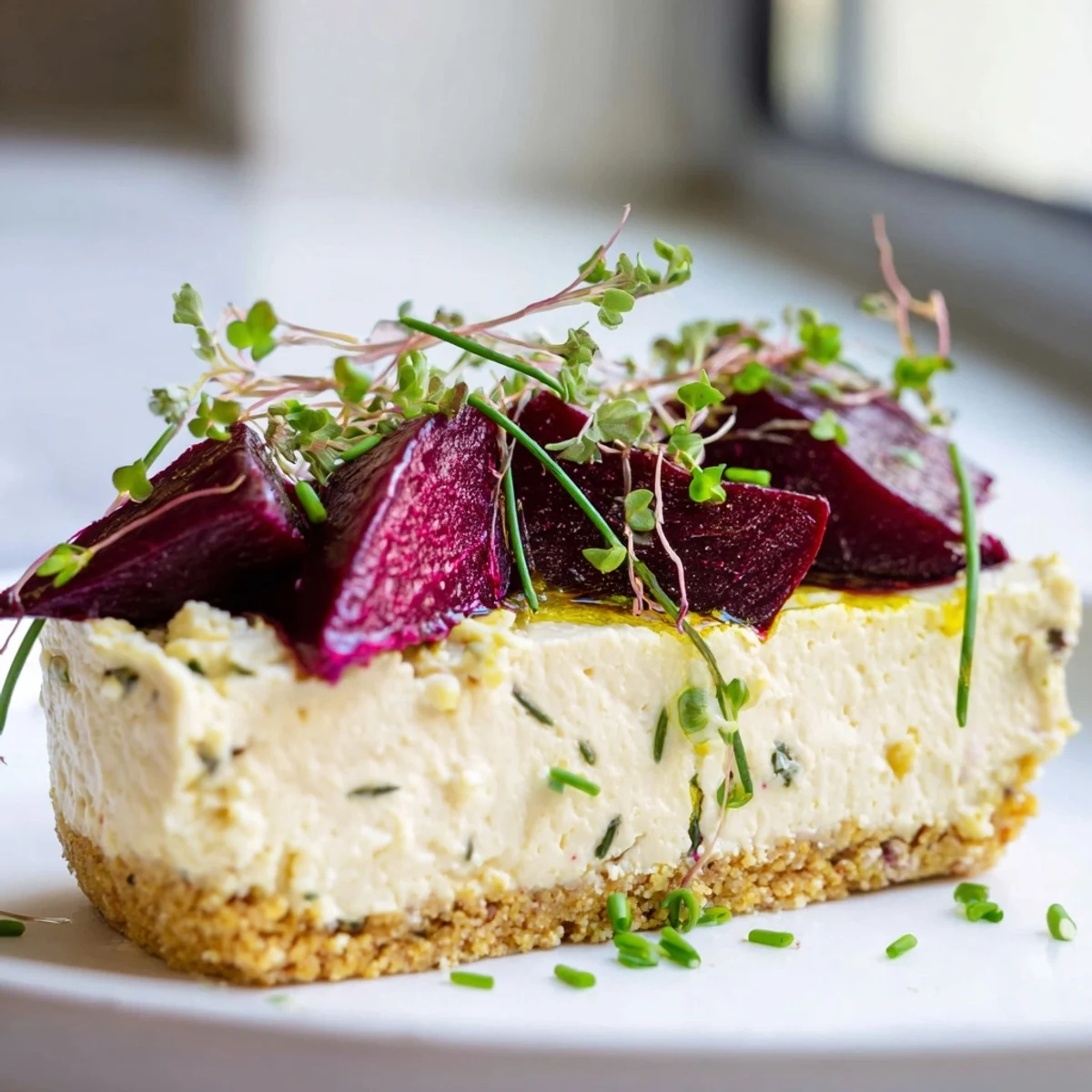
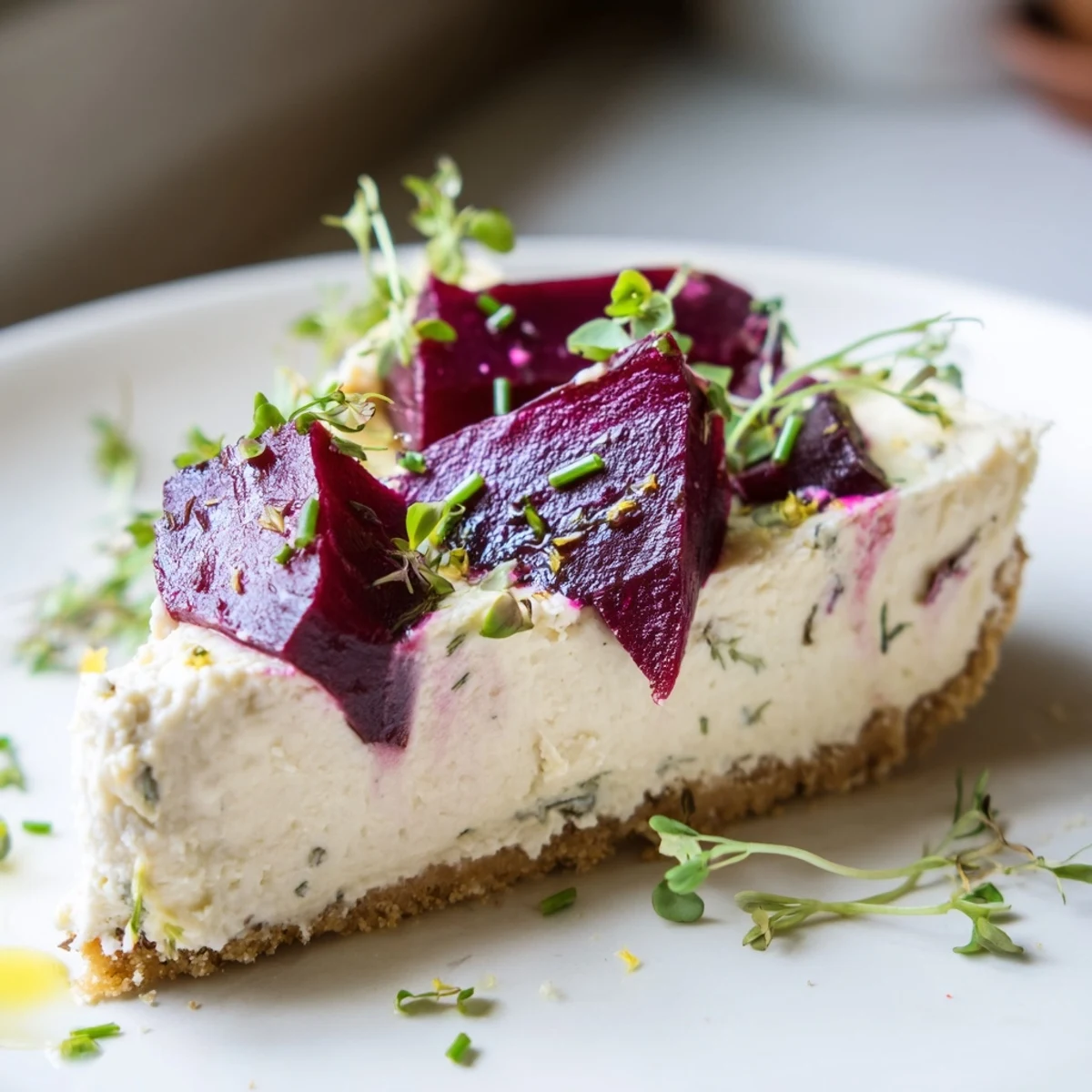
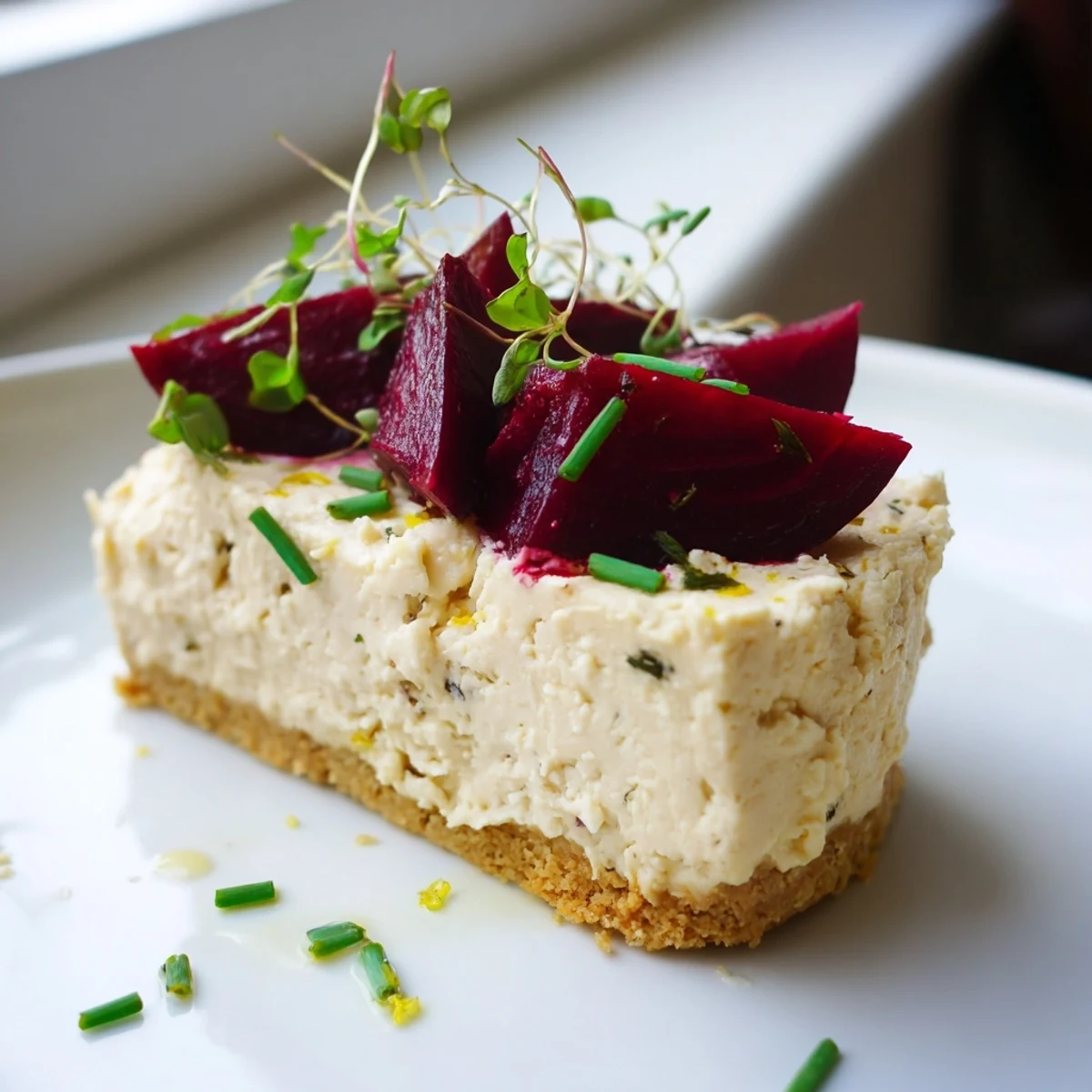
 This stunning savory cheesecake combines creamy cheeses with wholemeal cracker crust, topped with sweet roasted beetroot wedges and fresh herbs. The filling blends cream cheese, ricotta, and aged cheddar or Gruyère with lemon zest and thyme for depth. After baking to silky perfection, chill thoroughly before serving with balsamic-glazed beetroots, chives, and microgreens. Ideal for entertaining as an impressive appetizer or light vegetarian main course.
The first time I served this at a dinner party, everyone hesitated. Cheesecake for dinner? But the moment those ruby beetroot wedges hit that creamy herb flecked surface, the room went quiet. One bite and the skepticism vanished into something closer to reverence. Now its the dish my friends actually request by name.
I discovered the magic of roasted beetroot and cream cheese quite by accident one Sunday afternoon. I had too many beetroots from my farm share and a half empty tub of cream cheese sitting side by side on the counter. The combination was so revelatory that I spent the next three months refining it into this showstopping cheesecake. My mother still talks about the first time she tried it.
Ingredients
- 150 g wholemeal crackers: These create a nutty sturdy base that wont go soggy under the creamy filling
- 60 g unsalted butter: Melted butter binds the crumbs into a crisp foundation that holds up beautifully
- 400 g cream cheese: Room temperature is non negotiable here for that silky smooth texture
- 200 g ricotta cheese: This adds a lovely lightness that prevents the cheesecake from feeling too heavy
- 100 g mature cheddar or Gruyère: The sharp salty notes balance the mild ricotta perfectly
- 2 large eggs: These give the filling structure while keeping it plush and creamy
- 1 tablespoon fresh thyme leaves: Earthy and aromatic, thyme bridges the gap between sweet and savory
- Zest of 1 lemon: A bright counterpoint that lifts all those rich flavors
- 3 medium beetroots: Roasted until sweet and tender, theyre the crown jewel of this dish
- 2 tbsp balsamic vinegar: This intensifies the beetroots natural sweetness and adds depth
Instructions
- Build the foundation:
- Blitz those wholemeal crackers into fine crumbs, stir in melted butter and sea salt, then press the mixture firmly into your lined springform pan. A ten minute bake creates a crisp crust that will hold everything together beautifully.
- Whip up the filling:
- Beat the cream cheese, ricotta, and grated cheese until completely smooth, then add eggs one at a time. Fold in fresh thyme, lemon zest, and pepper before pouring over your cooled crust.
- Bake with patience:
- Slide the cheesecake into a 180°C oven for 40 to 45 minutes. You want the center to wobble slightly when you gently shake the pan, like gentle waves on a lake.
- Let it rest:
- Cool completely at room temperature, then chill for at least two hours. This waiting period is absolutely crucial for that perfect creamy texture.
- Roast the beetroots:
- Toss wedges with olive oil, balsamic vinegar, salt, and pepper. Spread them on a tray and roast at 200°C for 30 to 35 minutes until tender and beautifully caramelized.
- Bring it all together:
- Release the chilled cheesecake from its pan, arrange those gorgeous roasted beetroot wedges on top, and scatter with fresh chives. A final drizzle of olive oil makes everything shine.
 Save to Pinterest
 This recipe has become my go to for those moments when I want to serve something impressive but not fussy. Last summer I made it for a rooftop dinner party as the sun was setting over the city. The vibrant pink beetroots against the creamy white cheesecake looked absolutely breathtaking in that golden hour light.
Make Ahead Magic
The beauty of this savory cheesecake is that it actually improves with a bit of time. I often make the base and filling a day ahead, letting the flavors meld and deepen in the fridge. The beetroots can be roasted up to two days in advance and stored in an airtight container.
Cheese Choices
While aged cheddar brings a wonderful sharpness, I have fallen in love with using Gruyère for its nutty complexity. During winter I sometimes swap in crumbled goat cheese for extra tang. Each cheese creates a distinctly different personality for the final dish.
Serving Suggestions
This cheesecake shines as a starter alongside crisp white wine and crusty bread. For lighter fare I serve it with a simple green salad dressed in lemon vinaigrette. During autumn I love pairing it with roasted figs and walnuts for extra sweetness.
- A drizzle of honey over the beetroots adds lovely sweetness
- Toasted walnuts sprinkled on top bring satisfying crunch
- Extra fresh herbs like dill or basil brighten everything
 Save to Pinterest
 There is something deeply satisfying about serving a dish that surprises and delights in equal measure. Watch your guests faces when they take that first curious bite.
Recipe Questions & Answers
- → Can I make this cheesecake ahead of time?
-
Yes, this cheesecake actually improves when made ahead. It needs to chill for at least 2 hours but can be refrigerated overnight for the best texture and flavor. The roasted beetroot can be prepared a day in advance and stored separately.
- → What can I substitute for the mature cheddar or Gruyère?
-
Goat cheese creates a tangier variation, while Parmesan adds a sharper, saltier note. For a milder flavor, try Swiss cheese or even crumbled feta for Mediterranean flair.
- → How do I know when the cheesecake is properly baked?
-
The cheesecake is done when the edges are set but the center still has a slight wobble—similar to a baked custard. It will continue firming up as it cools. Overbaking causes cracking and a dry texture.
- → Can I use golden beetroots instead of red?
-
Absolutely. Golden beetroots work beautifully and create an even more elegant presentation. You can also use a mix of red and golden varieties for visual appeal.
- → Is this cheesecake served warm or cold?
-
It's best served chilled or at room temperature after refrigeration. The creamy texture is most pronounced when cold. However, the roasted beetroot can be served slightly warm for a pleasant temperature contrast.
- → What wine pairs well with this dish?
-
A crisp Sauvignon Blanc or Pinot Gris complements the rich, creamy elements while cutting through the cheese. For red wine lovers, a light Pinot Noir works well without overpowering the delicate flavors.