
 Save to Pinterest
 This slow cooker ragu sauce combines ground beef, pancetta, aromatic vegetables, and crushed tomatoes simmered for hours to develop rich, complex flavors. Enhanced by red wine and herbs, it delivers a comforting, hearty sauce ideal for wide pasta noodles or rigatoni. Simple preparation involves sautéing aromatics and meat before slow cooking all ingredients until thickened. Finished with fresh herbs and olive oil, this dairy-free sauce suits easy cooking with deep, savory results.
There's something deeply satisfying about walking into your kitchen on a lazy Sunday and finding the slow cooker already doing the heavy lifting for you. I discovered this ragu years ago when a friend mentioned she'd started dinner that morning before heading out to brunch, and it seemed almost like cheating—until I tasted what six hours of gentle heat could coax out of simple ingredients. The aroma alone makes people linger in your kitchen asking what's for dinner, and honestly, that's half the magic.
I made this for my family's annual pasta night after someone brought store-bought sauce and we all just looked at each other in quiet disappointment. The moment that ragu hit the table, simmered and rich and complex, everyone understood why we bother with the slow cooker at all. It became our thing after that—the dish people requested, the one that felt like we'd actually worked for the meal even though we barely touched it.
Ingredients
- Ground beef (500 g): Use a mix of beef and pork if you can—the pork fat melts into the sauce and adds complexity you'll taste on your tongue.
- Pancetta or smoked bacon (100 g): Dice it finely so it crisps up in the initial sauté and flavors everything that follows.
- Onion, carrots, and celery (soffritto base): This holy trinity is where the depth starts; don't skip the step of browning them properly.
- Garlic (4 cloves): Mince it small and add it after the vegetables so it doesn't burn and turn bitter on you.
- Crushed tomatoes (800 g): The backbone of the sauce; feel the can before you buy to make sure it feels heavy.
- Tomato paste (3 tbsp): Concentrated tomato flavor that darkens and intensifies as it cooks—this is what makes it taste like ragu, not just red sauce.
- Red wine (125 ml): Don't use anything you wouldn't drink; the wine cooks down but its tannins and subtle fruit remain.
- Beef or chicken broth (125 ml): A gentle boost that keeps the sauce from reducing too much and helps meld all the flavors together.
- Oregano and basil (dried): Dried herbs work better here than fresh—they hold up to the long cooking and distribute evenly.
- Bay leaf: Add just one, and please remember to fish it out at the end (I learned this the hard way).
- Red pepper flakes (½ tsp, optional): A whisper of heat that doesn't announce itself but makes people say, 'What is that? It's perfect.'
- Olive oil (2 tbsp): Use it to start the soffritto; it carries all those first flavors into the meat.
- Fresh parsley or basil: Sprinkle this on at the very end so it stays bright and fragrant against the deep sauce.
Instructions
- Sauté the pancetta and aromatics:
- Heat olive oil in a large skillet over medium heat, then add the diced pancetta, onion, carrots, and celery. Let them soften for 5–7 minutes, stirring occasionally so the pancetta renders its fat into everything else. You want the kitchen to smell like the start of something serious.
- Bloom the garlic:
- Add your minced garlic and let it cook for just one minute until it becomes fragrant but not brown. This brief moment matters more than you'd think.
- Brown the meat:
- Crumble in the ground beef and pork, breaking it apart with a spoon as it cooks. Let it sit for a minute or two between stirs so it actually browns instead of just turning gray—about 5 minutes total until no pink remains.
- Transfer to the slow cooker:
- Scoop everything into your slow cooker, getting every bit of the flavorful fond stuck to the bottom of the pan if you can.
- Add the liquids and seasonings:
- Pour in the crushed tomatoes, tomato paste, red wine, and broth, then add the oregano, basil, bay leaf, red pepper flakes, salt, and pepper. Stir everything together so the tomato paste fully dissolves and the herbs distribute evenly.
- Cook low and slow:
- Cover and set to LOW for 6–8 hours, or HIGH for 3–4 hours if you're in a hurry. The sauce will darken and thicken as it simmers, and the flavors will deepen into something you can't rush.
- Finish and serve:
- Remove the bay leaf, taste, and adjust salt and pepper to your preference. Serve over hot pasta, topped with fresh parsley or basil.
 Save to Pinterest
 The best compliment I've gotten on this sauce came from my partner's mother, who said it tasted like Sunday dinners from her childhood—and she wasn't even Italian. That's when I realized it wasn't really about following a recipe perfectly; it was about giving ingredients time and care enough to become something that feels like home to whoever's eating it.
When You Should Make This
This ragu shines when you need a dinner that tastes like effort without demanding your attention all day. Weekend mornings are ideal—brown the meat early, let it cook while you live your life, and finish with fresh pasta when you're ready to eat. Cold days especially benefit from the warmth and richness of a slow-simmered sauce that fills your whole house with comfort.
Pasta Pairings and Wine
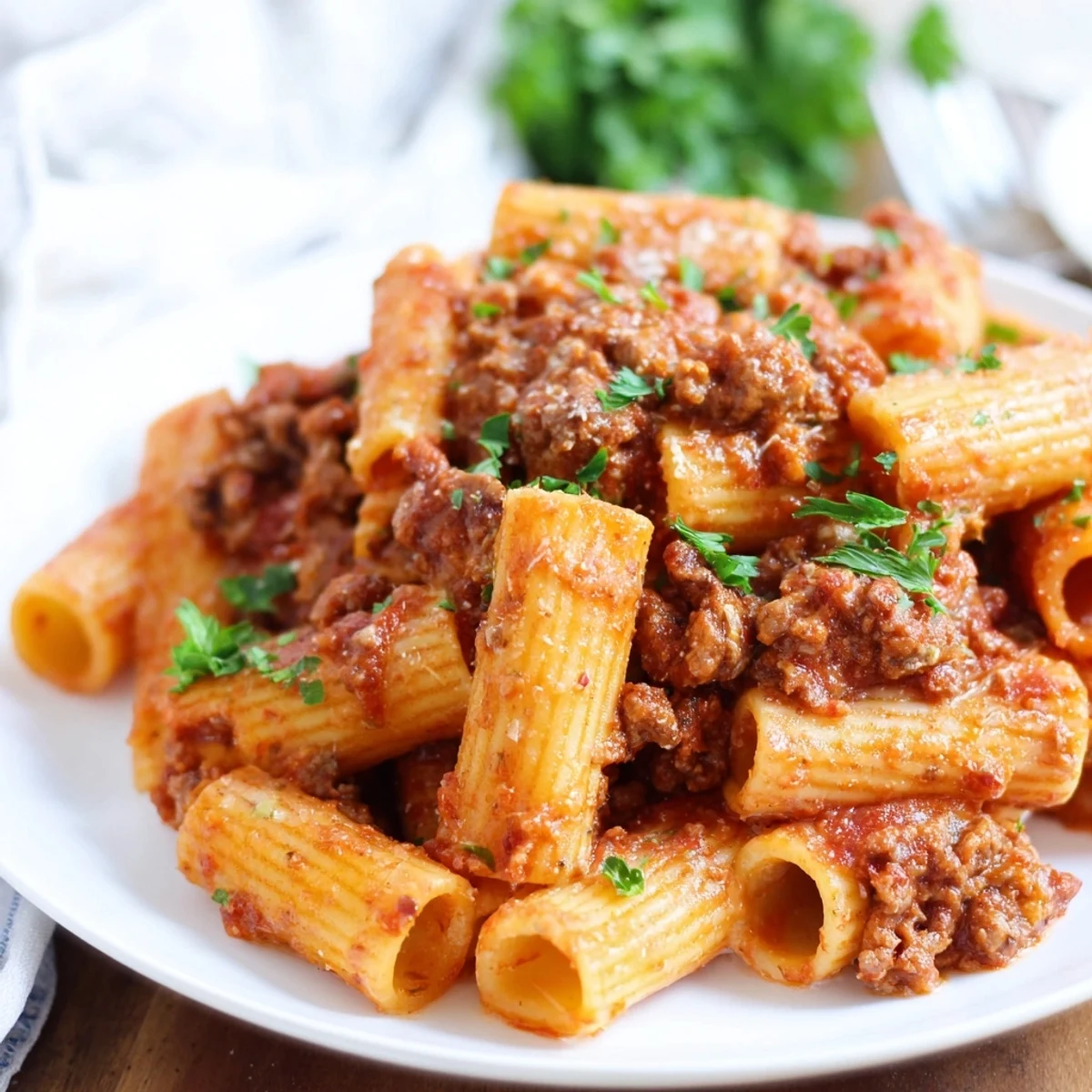
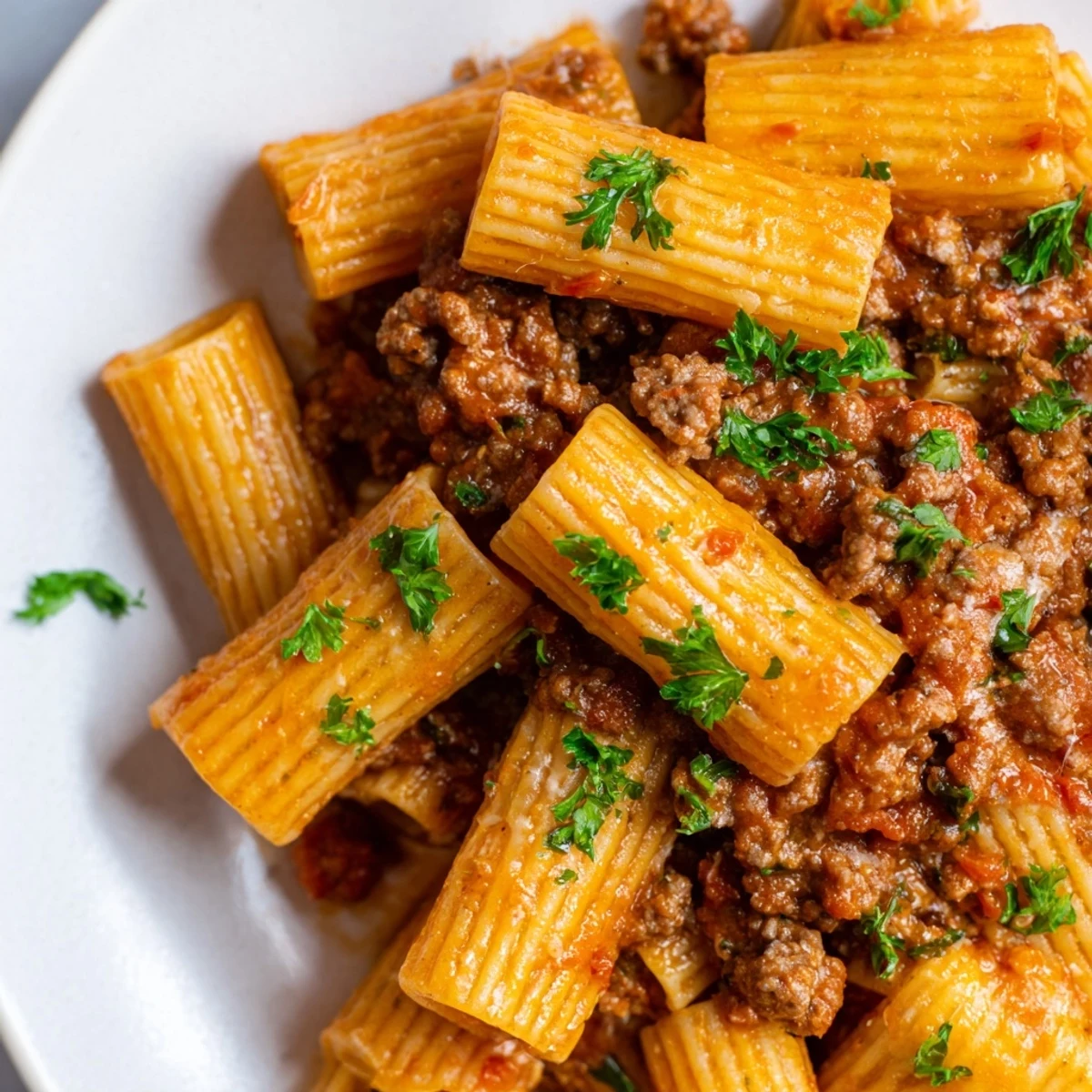
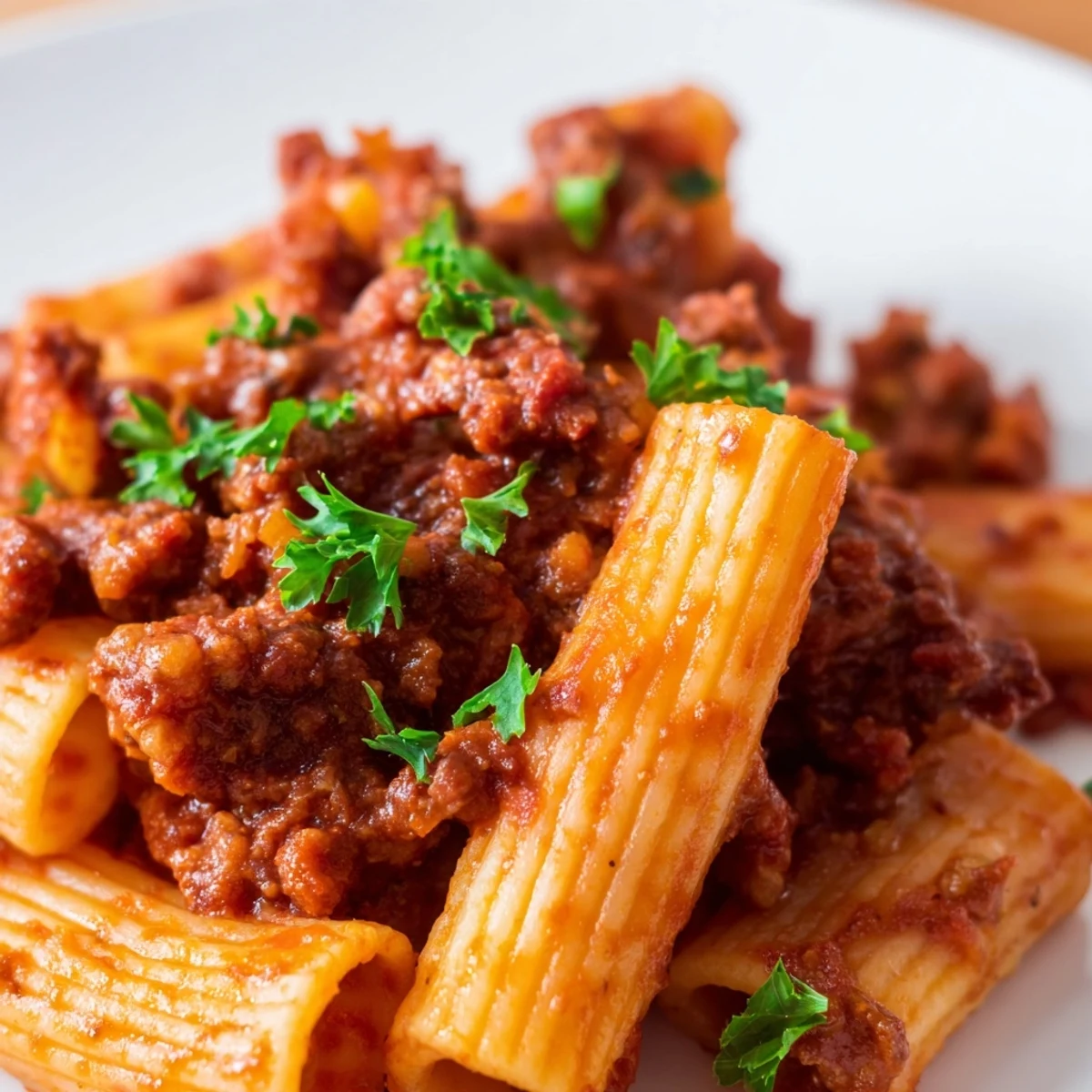
Wide, chunky pasta shapes like pappardelle or rigatoni are your best friends here; they catch the sauce and hold onto it instead of letting it slide off. A bold red wine—nothing expensive, just something with tannins and character—amplifies the ragu's savory depth and makes the whole meal feel like an occasion. If you're serving cream-based pasta, save this sauce for another night because the richness will compete.
Storage and Freezing
This sauce actually tastes better on day two or three as the flavors settle and meld further, so don't hesitate to make it ahead. Store it in the fridge for up to four days, or freeze it in portions for up to three months—thaw it gently on the stove with a splash of broth to loosen it back up. I learned to freeze it in meal-sized amounts after once thawing an enormous container and realizing I'd committed to ragu four nights in a row.
- Let it cool completely before freezing to avoid condensation.
- A knob of butter stirred in just before serving makes it feel even more luxurious.
- Leftover sauce transforms into a stunning pasta bake or ragu-stuffed tomatoes if you're feeling creative.
 Save to Pinterest
 Once you've made this ragu, you'll understand why Italian kitchens still do things slowly sometimes, even when faster options exist. It's worth the wait.
Recipe Questions & Answers
- → How long should the sauce cook in the slow cooker?
-
Cook the sauce on LOW for 6–8 hours or on HIGH for 3–4 hours to achieve a rich, thick consistency.
- → Can I substitute the meats in the sauce?
-
Yes, ground beef or a combination of beef and pork works well. Pancetta or smoked bacon adds depth but can be adjusted based on preference.
- → What type of pasta pairs best with this sauce?
-
This hearty sauce pairs beautifully with wide noodles like pappardelle or rigatoni, which hold the thick sauce well.
- → Is it possible to prepare this sauce ahead of time?
-
Absolutely. The sauce can be made in advance and frozen for up to 3 months without losing flavor or quality.
- → How can I adjust the spice level of the sauce?
-
Adding or omitting crushed red pepper flakes allows you to control the heat level to suit your taste.
- → What are some finishing touches to enhance the sauce?
-
Stirring in a splash of cream or a knob of butter at the end adds richness, while fresh parsley or basil provide brightness.