
 Save to Pinterest
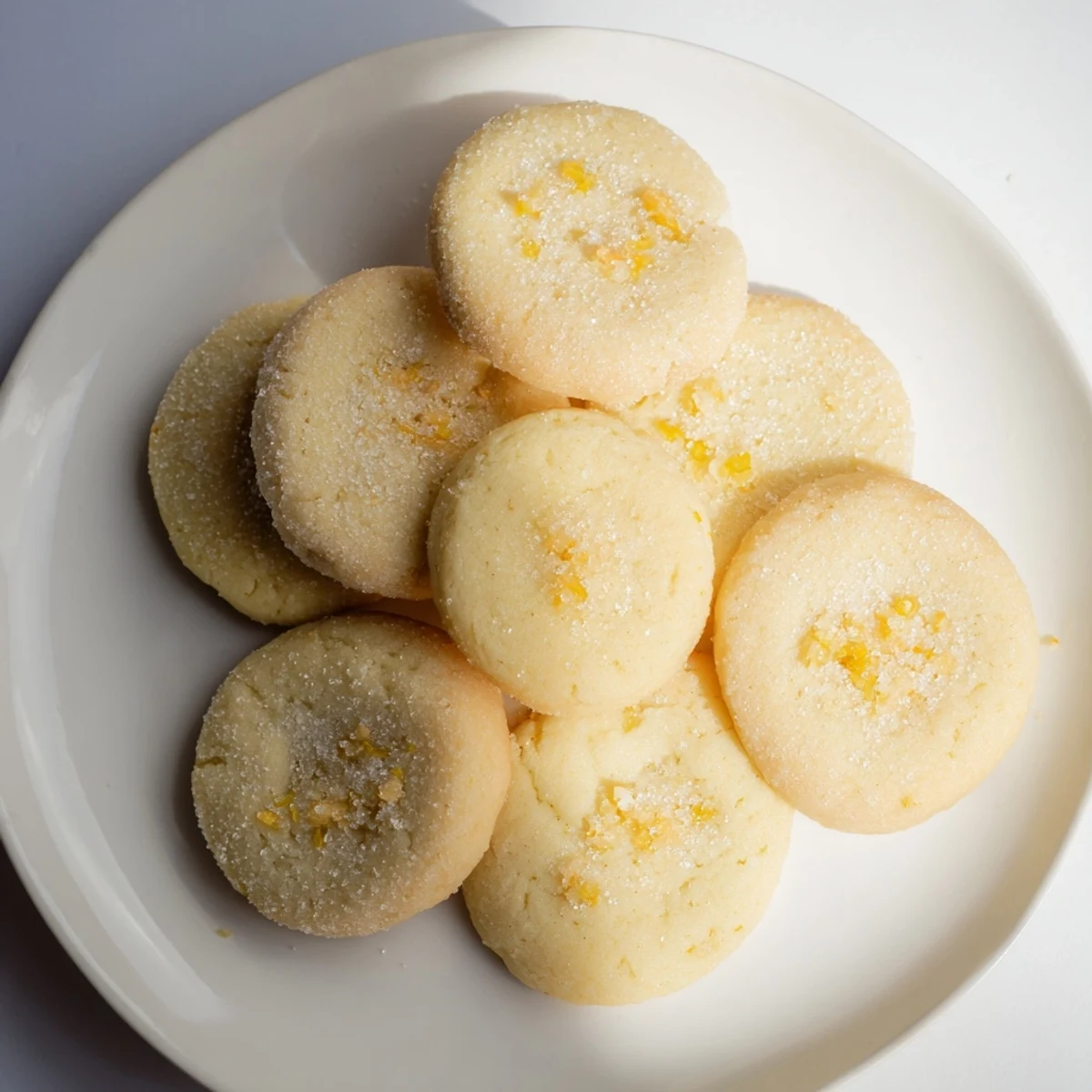
 These soft, chewy lemon cookies deliver a burst of bright citrus flavor with every bite. The dough combines fresh lemon zest and juice with vanilla for a zesty aroma that fills your kitchen while baking. Each cookie bakes to golden perfection with edges that are just set and centers that remain wonderfully tender.
The rolling process creates uniform portions that bake evenly, resulting in 24 perfectly portioned treats. You can coat them in sugar for a sparkling finish or leave them plain for a more rustic look. Either way, the natural lemon flavor shines through beautifully.
These cookies store exceptionally well in an airtight container, staying soft for days. They're perfect for spring gatherings, afternoon tea, or whenever you need something bright and satisfying. The simple ingredients come together quickly, making this an ideal treat for both experienced bakers and beginners.
My kitchen smelled like a lemon grove in July the afternoon I stumbled onto this cookie recipe, and honestly, I have not looked back since. There was something almost electric about rubbing those yellow zests into sugar, the oils releasing right under my thumbs. I had been craving something bright after a week of heavy stews and gray skies. These little cookies answered that craving with a kind of sunshine I did not know flour and butter could hold.
I brought a batch of these to my neighbor Ellens porch last spring and we sat there eating six between the two of us, not even pretending we would stop. She told me they reminded her of the lemon bars her grandmother used to make, except easier and somehow brighter. That porch conversation turned into a standing weekly cookie trade that still runs today.
Ingredients
- All purpose flour (2 1/4 cups, 280 g): The backbone of structure here, measured by spooning into the cup and leveling off with a knife for accuracy.
- Baking soda (1/2 teaspoon): Just enough to give a gentle lift without puffing these into cakey domes.
- Salt (1/2 teaspoon): Do not skip this, because salt is what makes the lemon taste like lemon instead of flat sweetness.
- Unsalted butter, softened (1 cup, 225 g): Pull it out an hour ahead so it creams smoothly, because cold butter leaves lumps that spread unevenly.
- Granulated sugar (1 1/4 cups, 250 g): White sugar keeps the flavor clean and lets the lemon stay front and center.
- Large egg plus one egg yolk: The yolk adds richness and chew while the whole egg binds everything together.
- Lemon zest (2 tablespoons, from about 2 lemons): Rub it into the sugar with your fingers before mixing to release every drop of essential oil.
- Fresh lemon juice (1/4 cup, 60 ml): Bottled juice tastes flat and dull, so squeeze it fresh right when you need it.
- Pure vanilla extract (1 teaspoon): A quiet background note that rounds out the sharp edges of the citrus.
- Extra sugar for rolling (1/2 cup, 100 g, optional): A thin sugar coat gives a sparkle and a slight crackle on the outside.
Instructions
- Set the stage:
- Preheat your oven to 350 degrees F and line two baking sheets with parchment paper so nothing sticks and cleanup is effortless.
- Whisk the dry team:
- In a medium bowl, whisk the flour, baking soda, and salt together until evenly blended, then set it aside.
- Cream butter and sugar:
- Beat the softened butter and sugar with an electric mixer on medium speed until the mixture turns pale, light, and fluffy, about two to three minutes.
- Add the wet ingredients:
- Drop in the egg, then the yolk, followed by the lemon zest, lemon juice, and vanilla, beating until everything is well combined and fragrant.
- Bring it all together:
- Gradually add the dry ingredients on low speed, mixing just until the last streak of flour disappears, because overmixing makes tough cookies.
- Shape and roll:
- Scoop tablespoon sized portions and roll them into balls between your palms, dipping each one in sugar if you want that sparkly finish.
- Arrange with breathing room:
- Place the dough balls two inches apart on the sheets so they have space to spread without merging into each other.
- Bake to golden perfection:
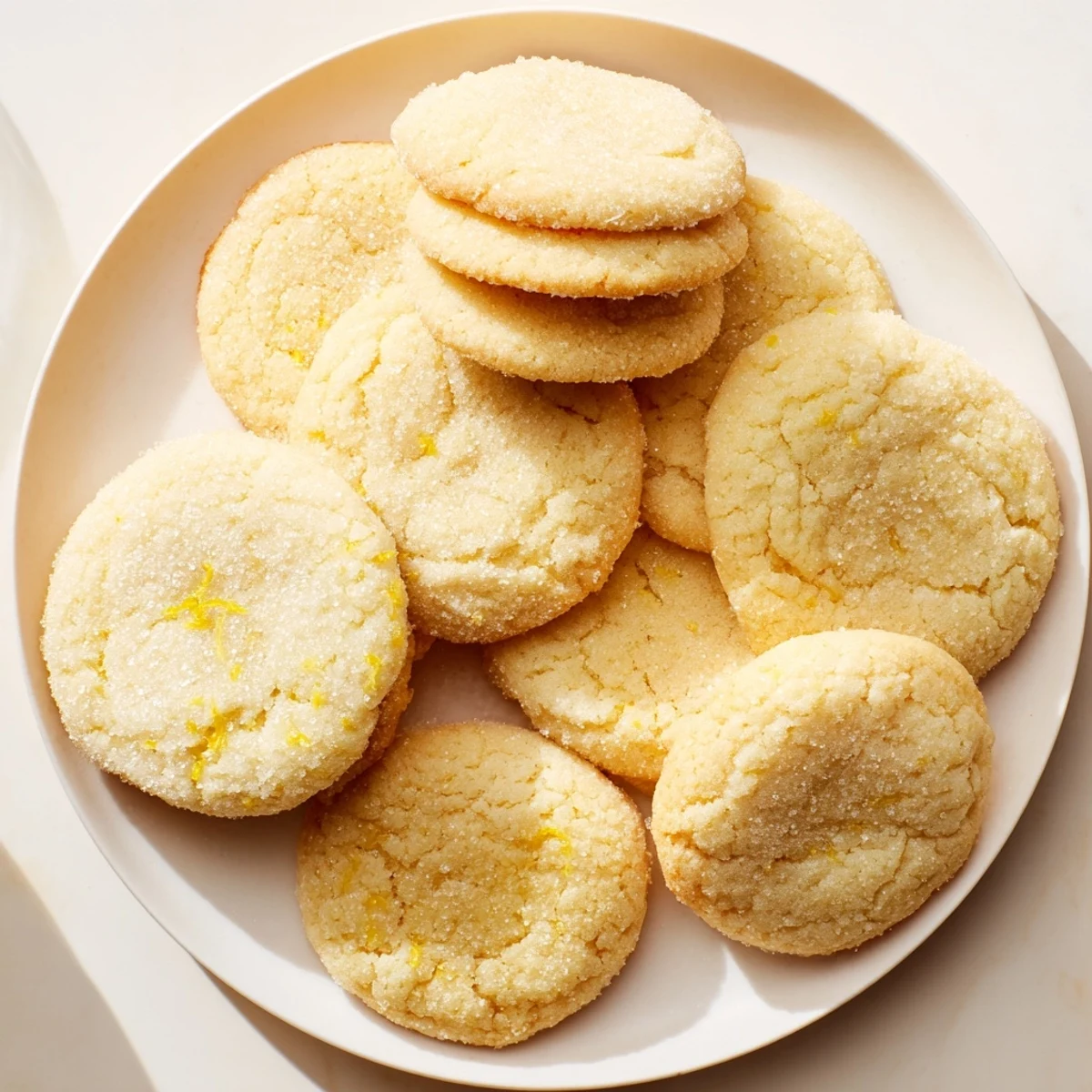
- Bake for nine to eleven minutes until the edges are set but the centers still look soft and slightly underbaked, which is the secret to chewiness.
- Cool with patience:
- Let the cookies rest on the baking sheet for five minutes before transferring to a wire rack, because they finish setting as they sit.
 Save to Pinterest
 There was a rainy Tuesday when I burned the first tray because I got absorbed in a phone call with my sister and forgot the timer. The second tray came out perfect, and I ate three of them standing at the counter while the rain hammered the window, and I decided that was the best way to recover from a mistake.
Storing Your Lemon Cookies
Keep these in an airtight container at room temperature and they stay soft and lovely for up to five days, though in my house they rarely survive past day three. You can also freeze the baked cookies in a single layer on a sheet pan before transferring to a bag, and they thaw in about twenty minutes on the counter. Freezing the dough balls works beautifully too, so you can bake off a few whenever the lemon craving strikes without making a whole batch.
Fun Variations to Try
A simple lemon glaze made from powdered sugar and fresh lemon juice drizzled over the cooled cookies takes the brightness to an almost explosive level. Swapping a quarter cup of the flour for almond flour adds a subtle nuttiness that pairs beautifully with the citrus. You could also press a few poppy seeds into the tops before baking for a lemon poppy seed twist that feels bakery worthy.
Getting the Texture Just Right
The balance between cakey and chewy lives or dies in two places, which are how much flour you add and how long you bake. If you want them extra chewy, err on the side of slightly less flour and pull them from the oven when the centers still look wet and puffy. The egg yolk is doing important work here by adding fat without extra moisture, so do not skip it thinking a second whole egg would be the same.
- Chill the dough for thirty minutes if your kitchen is hot and the butter feels too soft to handle.
- Rotate your baking sheets halfway through if your oven has hot spots like mine does.
- Always taste a lemon before zesting, because a dry flavorless lemon gives up nothing to the dough.
 Save to Pinterest
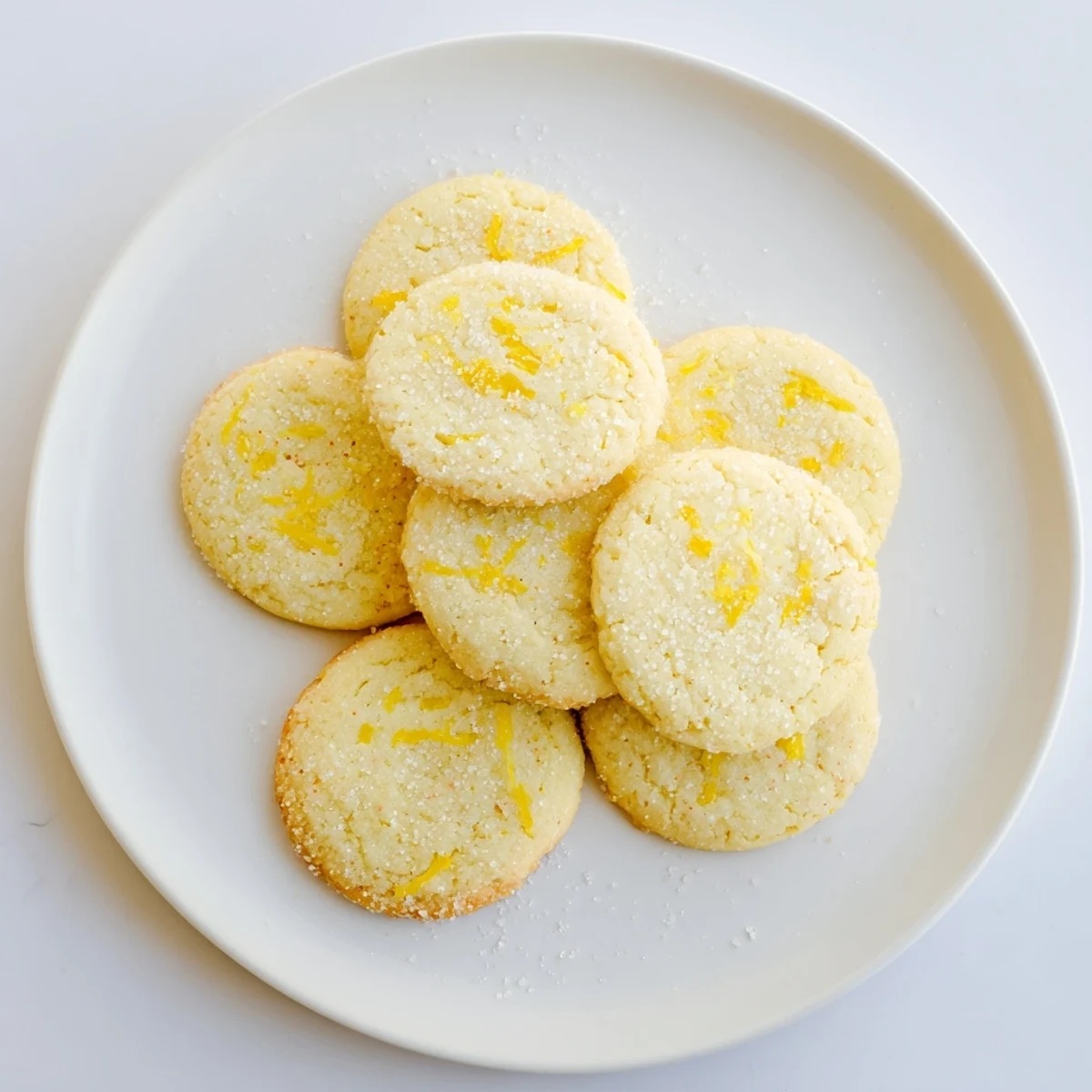
 These cookies are a little pocket of brightness that I return to every single spring, and I hope they bring the same warmth to your kitchen.
Recipe Questions & Answers
- → Why are my lemon cookies hard instead of soft?
-
Overbaking is the most common cause. Remove cookies when edges are set but centers still appear slightly underbaked. They continue cooking on the hot baking sheet, so the residual heat ensures perfect texture without becoming hard or crispy.
- → Can I use bottled lemon juice instead of fresh?
-
Fresh lemon juice provides the brightest, most authentic flavor. Bottled juice can work in a pinch, but it often has a preserved or metallic taste. For the best results, squeeze fresh lemons and use the juice immediately.
- → How do I get the most zest from my lemons?
-
Use a microplane or fine zester to remove only the yellow outer layer, avoiding the white pith underneath which can be bitter. Zest your lemons before juicing them—it's much easier to handle whole fruit. Two medium lemons typically yield about two tablespoons of zest.
- → Why cream the butter and sugar for 2-3 minutes?
-
This process, called creaming, incorporates air into the dough which helps create the tender texture. The mixture should become pale and fluffy. Skipping this step or rushing it results in denser, flatter cookies.
- → Can I freeze the cookie dough?
-
Yes, scoop the dough into balls and freeze on a baking sheet until solid, then transfer to a freezer bag. Bake from frozen, adding 1-2 minutes to the baking time. Frozen dough stays fresh for up to 3 months.
- → What's the purpose of rolling dough in sugar before baking?
-
Sugar coating creates a slightly crispy exterior that contrasts beautifully with the soft interior. It also adds visual appeal with a sparkling finish. This step is optional but recommended for the best texture and presentation.