
 Save to Pinterest
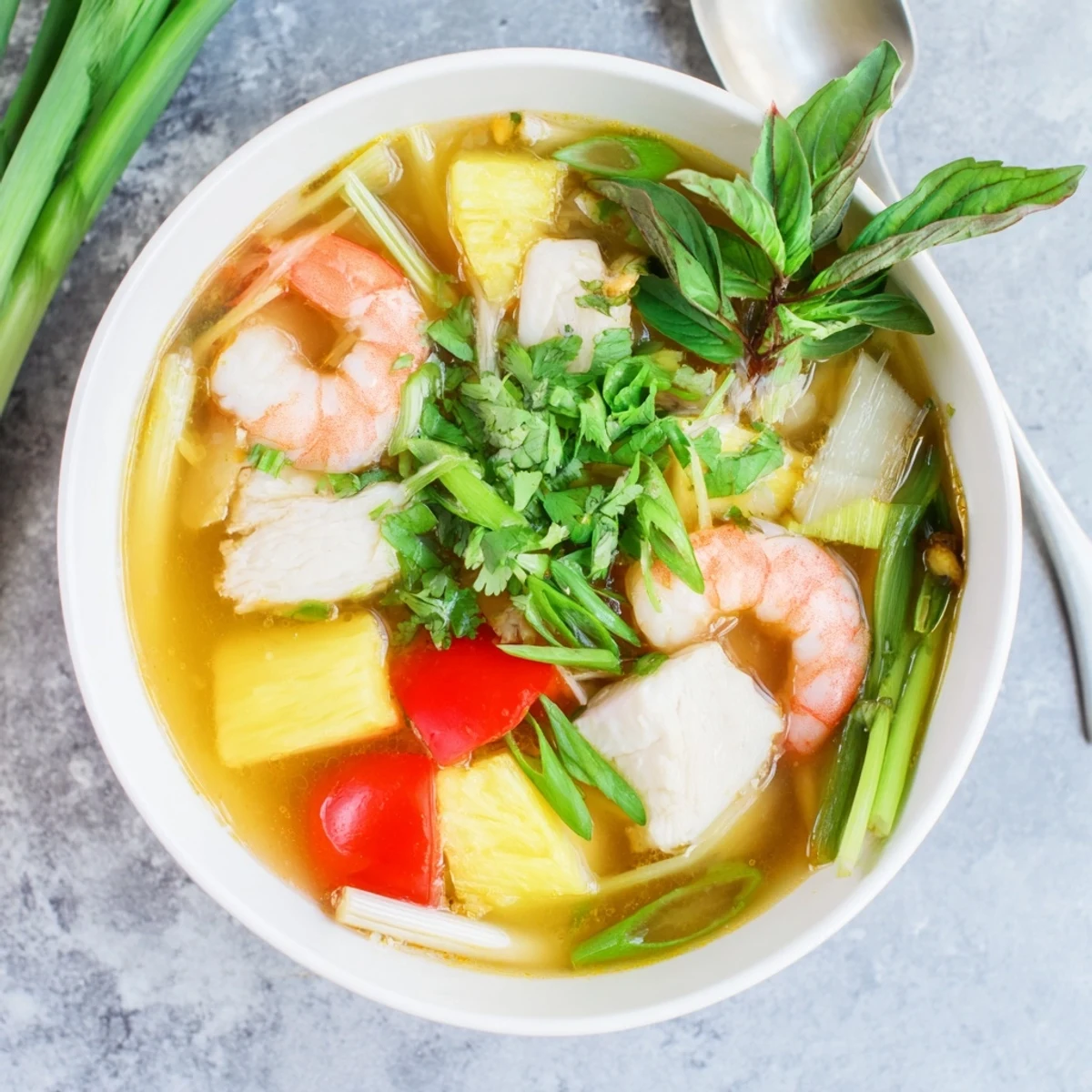
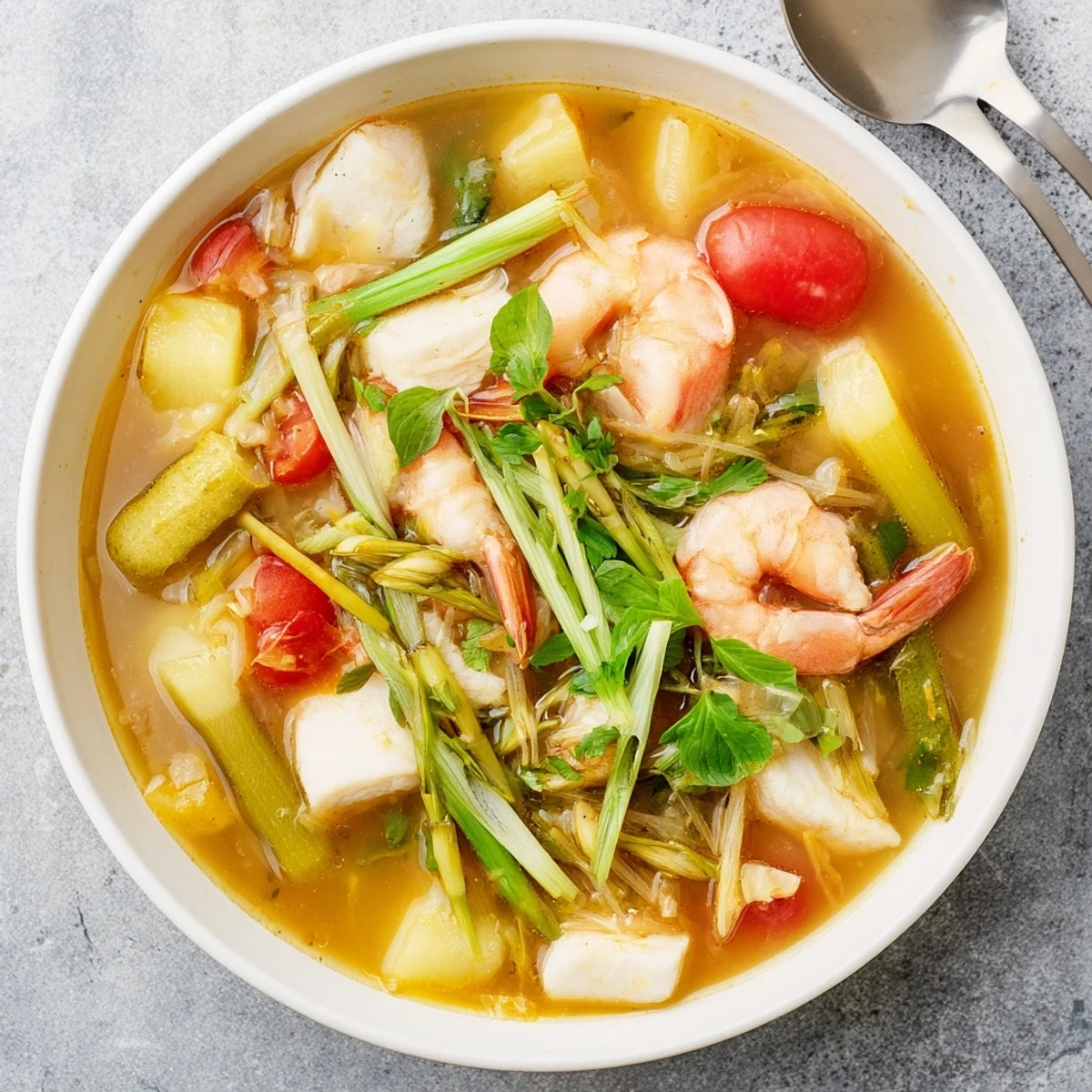
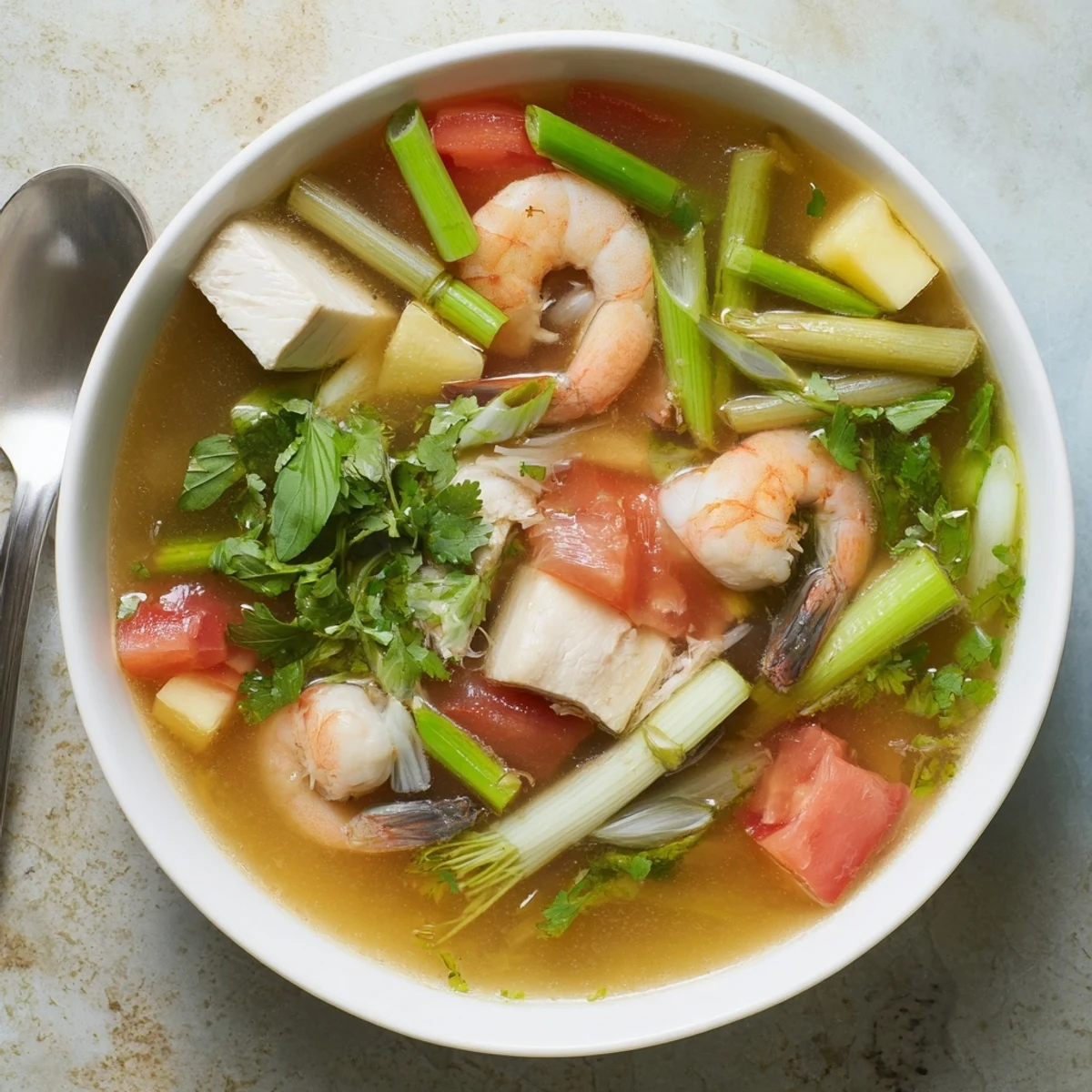
 Canh Chua delivers the perfect harmony of sweet, sour, and savory flavors in one bowl. This Vietnamese classic combines tender white fish and shrimp with juicy pineapple, tomatoes, and crisp vegetables. The broth gets its distinctive tang from tamarind paste, balanced with sugar and fish sauce. Fresh herbs like cilantro, Thai basil, and sawtooth herb add aromatic depth, while lemongrass provides citrusy notes. Ready in just 40 minutes, this nourishing soup is traditionally served over steamed jasmine rice for a complete meal.
The first time I tasted Canh Chua was at my aunt's house in Saigon during rainy season. Something about that hot, sour broth cutting through the humid air made everything feel right. I watched her adjust the flavors, tasting and adding tamarind paste with the confidence of someone who has made this soup a thousand times. That bowl changed how I understood balance in cooking.
Last winter, I made this for friends who had never tried Vietnamese cuisine beyond pho. They were skeptical about fish soup with pineapple and herbs, but one spoonful changed their minds completely. The way the shrimp cooked in that fragrant broth made my tiny kitchen smell like a street stall in Hanoi. Now they ask for it whenever the weather turns cold.
Ingredients
- White fish fillets: Catfish holds up beautifully in the hot broth without falling apart, but tilapia works in a pinch
- Shrimp: They add sweetness and a slightly different texture that contrasts nicely with the tender fish
- Pineapple: Fresh pineapple is non-negotiable here. The canned version lacks the brightness that makes this soup sing
- Tamarind paste: This is the soul of the soup. Look for the kind without seeds for easier mixing
- Lemongrass: Bruising the stalks with the back of your knife releases their citrusy oils into the broth
- Thai basil or rice paddy herb: These herbs added at the end make the kitchen smell incredible and taste authentic
- Fish sauce: Don't be afraid of it. A good fish sauce adds depth, not fishiness
Instructions
- Build the aromatic base:
- Heat the oil in your large pot over medium heat, then add the garlic and onions. Cook them until they're soft and fragrant, about 3 minutes. You want the onions to turn translucent, not brown.
- Add the backbone flavors:
- Toss in the lemongrass pieces and tomato wedges, letting them cook for 2-3 minutes until the tomatoes start breaking down and release their juices.
- Create the broth:
- Pour in your water or fish stock and bring everything to a gentle boil. Whisk in the tamarind paste and sugar, then simmer for 3 minutes to let the flavors meld.
- Add the hearty vegetables:
- Drop in the pineapple, celery, and okra. Let these cook for 5 minutes so they soften slightly but still keep their crunch.
- Cook the seafood gently:
- Lower the heat to a gentle simmer and carefully add the fish chunks and shrimp. Cook for 5-7 minutes until the seafood is just opaque. Skim off any foam that rises to the top.
- Balance the flavors:
- Season with fish sauce, salt, and pepper. Taste and adjust the tamarind or sugar until you hit that perfect sweet and sour note that makes your mouth water.
- Finish with fresh herbs:
- Add the bean sprouts, chopped herbs, spring onions, and chilies. Simmer for just 1-2 minutes more, then remove from heat immediately so the herbs stay vibrant.
 Save to Pinterest
 My daughter now requests this soup whenever she's feeling under the weather. Something about that combination of hot broth and bright flavors makes everything feel better. Watching her scoop up extra rice with the soupy liquid reminds me why I fell in love with cooking in the first place.
Serving Suggestions
Canh Chua needs steamed jasmine rice to soak up that incredible broth. Spoon the soup over the rice in individual bowls, letting the liquid seep into every grain. The rice tames the acidity just enough while still letting those tangy flavors shine through.
Making It Your Own
I've experimented with adding elephant ear stems when I can find them at Asian markets. They soak up the broth and add a fascinating texture that's somewhere between a vegetable and a noodle. If you cannot find them, don't worry. The soup is still perfect without them.
Storage and Reheating
This soup keeps well in the refrigerator for up to 3 days, though the vegetables will soften with each reheating. The flavors actually deepen and become more complex overnight.
- Reheat gently over low heat to avoid breaking up the fish
- Add fresh herbs when reheating to bring back that vibrant aroma
- If the broth is too thick after refrigeration, splash in a little water or stock
 Save to Pinterest
 There is something deeply comforting about a soup that can wake up your senses and warm you up at the same time. I hope this Canh Chua finds its way into your regular rotation.
Recipe Questions & Answers
- → What does Canh Chua mean?
-
Canh Chua translates to 'sour soup' in Vietnamese. The dish gets its name from the tangy tamarind-based broth that defines its character. The sourness is perfectly balanced with sweetness from pineapple and sugar, creating the signature sweet-sour flavor profile Vietnamese cuisine is known for.
- → What fish works best for this soup?
-
Firm white fish fillets like catfish, tilapia, snapper, or sea bass work beautifully as they hold their shape during simmering. The fish is added near the end of cooking and gently poached, keeping it tender and flaky. You can also use other seafood like crab or squid, or substitute with tofu for a vegetarian version.
- → Can I make Canh Chua without tamarind?
-
While tamarind paste provides the authentic flavor, you can substitute with fresh lime juice or rice vinegar. Start with 2 tablespoons of lime juice and adjust to taste. Keep in mind that tamarind has a unique fruity-tart flavor that's difficult to replicate exactly, but the soup will still be delicious.
- → How do I balance the sweet and sour flavors?
-
The key is tasting and adjusting gradually. Start with the base amounts of tamarind and sugar, then add more of whichever element needs boosting. More tamarind increases sourness, while additional sugar enhances sweetness. Fish sauce adds savory depth that bridges the flavors together.
- → Is Canh Chua spicy?
-
Traditionally, Canh Chua includes bird's eye chilies for heat, but the spice level is adjustable. The soup is meant to have a gentle warmth that complements rather than overpowers the other flavors. Omit the chilies entirely for a mild version, or increase them if you prefer more heat.
- → What herbs are essential for Canh Chua?
-
Fresh cilantro and Thai basil are crucial for authentic flavor. Rice paddy herb (ngò om) is traditional but can be hard to find—substitute with extra basil or omit. Sawtooth herb adds unique peppery-coriander notes but is optional. Spring onions provide mild onion sweetness and are essential for the finished dish.