
 Save to Pinterest
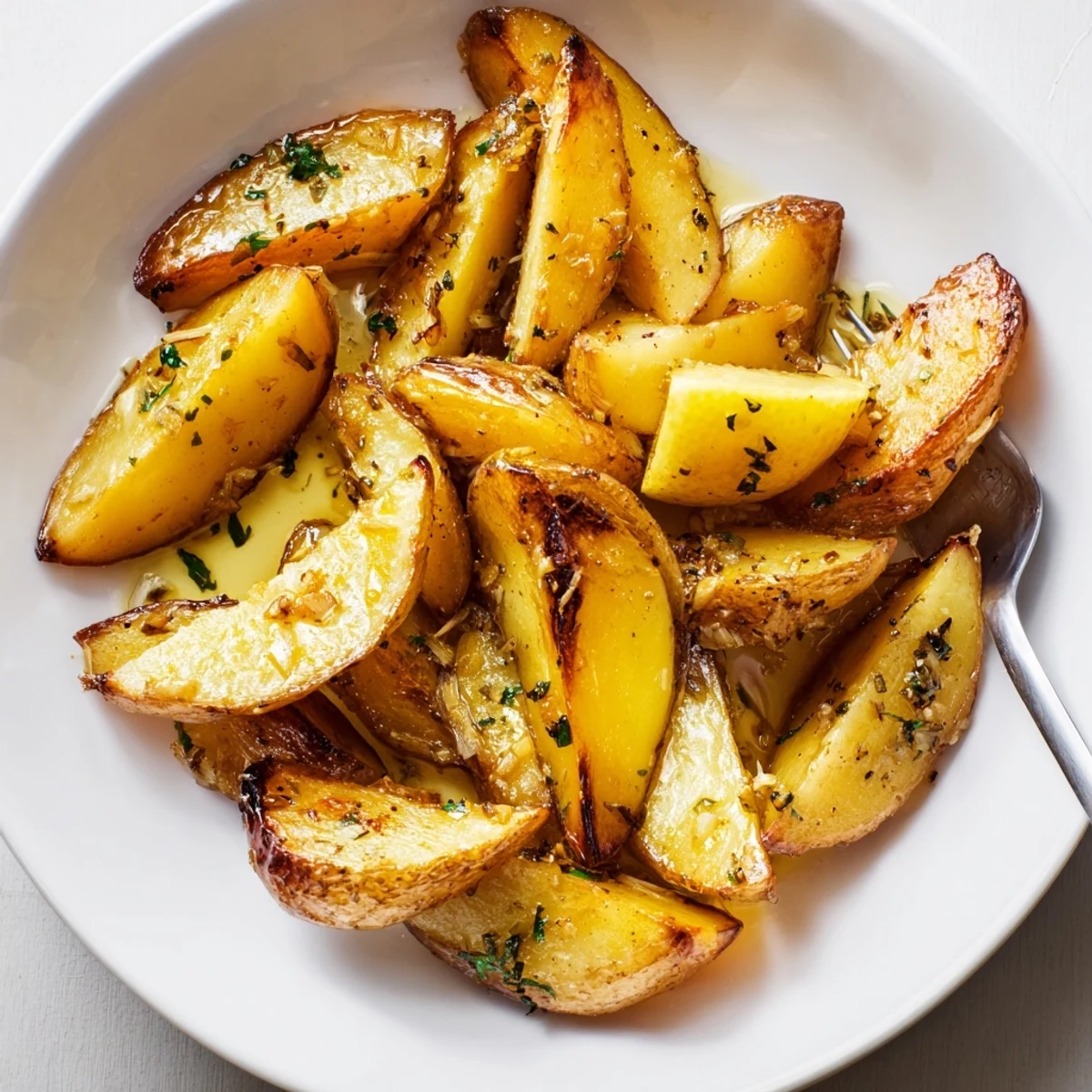
 Tender Yukon Gold wedges are marinated in extra-virgin olive oil, fresh lemon juice, minced garlic, oregano, salt and a cup of vegetable broth. Roast uncovered at 400°F to let the potatoes absorb the citrusy marinade, baste once, then increase heat to 425°F and roast until edges are golden and crisp. Finish with chopped parsley and lemon wedges; broil briefly for extra crunch.
The bright aroma of lemon and oregano hit me the very first time I took these Greek lemon potatoes out of the oven and I found myself grinning over the pan. Unlike most sides, this one turns simple potatoes into something so fragrant and satisfying that it competes with the main dish. I still remember how the olive oil sizzled as I spooned the marinade over the golden wedges halfway through roasting. It's a recipe I reach for whenever a meal with friends needs that perfect citrusy lift.
I once made these potatoes for a spring potluck, and the whole room went quiet after the first bite. My neighbor asked for the recipe while balancing a heaping plate in one hand, and someone else started debating if these could possibly be better than the ones they had on vacation in Athens. That’s when I realized this wasn’t just another side—it was the thing everyone remembered from the meal.
Ingredients
- Yukon Gold potatoes: Their creaminess makes all the difference here; I peel and wedge them thick for the perfect contrast between a crisp exterior and tender bite.
- Extra virgin olive oil: This is the heart of the marinade—it soaks into every curve and crisps up the edges beautifully, so don’t skimp on quality.
- Fresh lemon juice: Nothing bottled can match freshly squeezed; it’s the star that keeps this dish tangy and bright.
- Garlic: Four cloves means you catch its warmth in every forkful, but it's never overpowering if you mince it fine.
- Vegetable broth: Adds depth and helps the potatoes become gloriously soft inside; I use a low-sodium one to control the salt.
- Dried oregano: The classic herb—smell it as you sprinkle for that earthy Mediterranean essence.
- Salt and black pepper: A good pinch of each, and always taste the marinade before adding potatoes.
- Fresh parsley: Scatter this for color right before serving; it wakes up all the flavors.
- Lemon wedges: Extra squeeze optional, but it gives every plate a custom hit of brightness at the table.
Instructions
- Get the oven ready:
- First, crank up your oven to 400°F and let it preheat so the potatoes start roasting the instant they go in.
- Mix the marinade:
- In your biggest baking dish, whisk together the olive oil, fresh lemon juice, garlic, vegetable broth, oregano, salt, and pepper until you can smell the citrus lifting above the herbs.
- Bathe the potatoes:
- Add the potato wedges and gently toss them around—get your hands in there to coat each piece thoroughly, then spread them out so they’re in a single layer, not crowded.
- First roast:
- Roast uncovered for 40 minutes; you’ll start to see the edges color. Don’t forget to spoon that shimmering pan juice over the potatoes at least once.
- Turn up the heat:
- Raise the oven temperature to 425°F, flip the potatoes so both sides get their turn to crisp, and roast another 30–35 minutes until deeply golden, edges delightful and the liquid is mostly gone.
- Finishing touch:
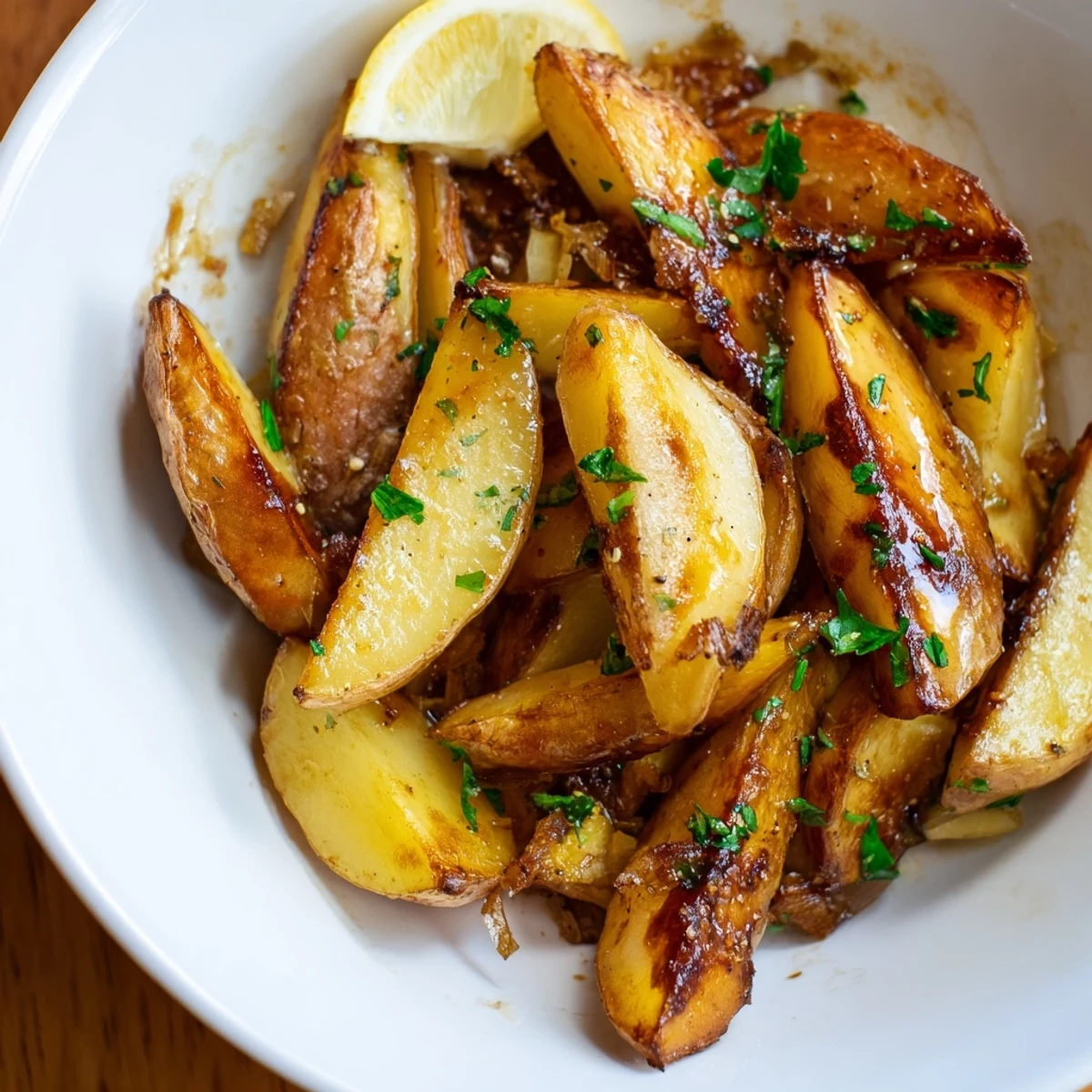
- Tumble the potatoes onto a platter, scatter with chopped parsley, and pass around extra lemon wedges for anyone who wants another squeeze.
 Save to Pinterest
 There was a Sunday afternoon I served these potatoes with roast chicken, and as we lingered at the table, someone quietly scraped up the last olive-oil-soaked wedge, refusing to let any of that herby tang go to waste. It turned a regular meal into one of those long, laughter-filled evenings you don’t want to end.
Which Potatoes Work Best?
I’ve tried russets and reds, but Yukon Golds always win out for their ability to stay buttery inside while turning crispy on the outside. The trick is slicing them big—smaller pieces get too soft and fall apart.
Marinade Magic
If you whisk the marinade long enough, you can almost see it turn creamy from the olive oil and lemon emulsion. I sometimes zest the lemons beforehand to sprinkle on top, which adds even more citrus depth.
Serving and Storing Tips
These potatoes come out of the oven irresistibly crisp but will soften the longer they sit, so serve them right away for peak texture. Any leftovers actually make an amazing breakfast the next day—just reheat in a skillet with a splash of olive oil for revived crunch.
- Let the pan cool a bit before digging in or you might burn your fingers in eagerness.
- If making ahead, re-crisp in a hot oven for ten minutes.
- Never skip the final shower of fresh herbs—it really wakes up the whole tray.
 Save to Pinterest
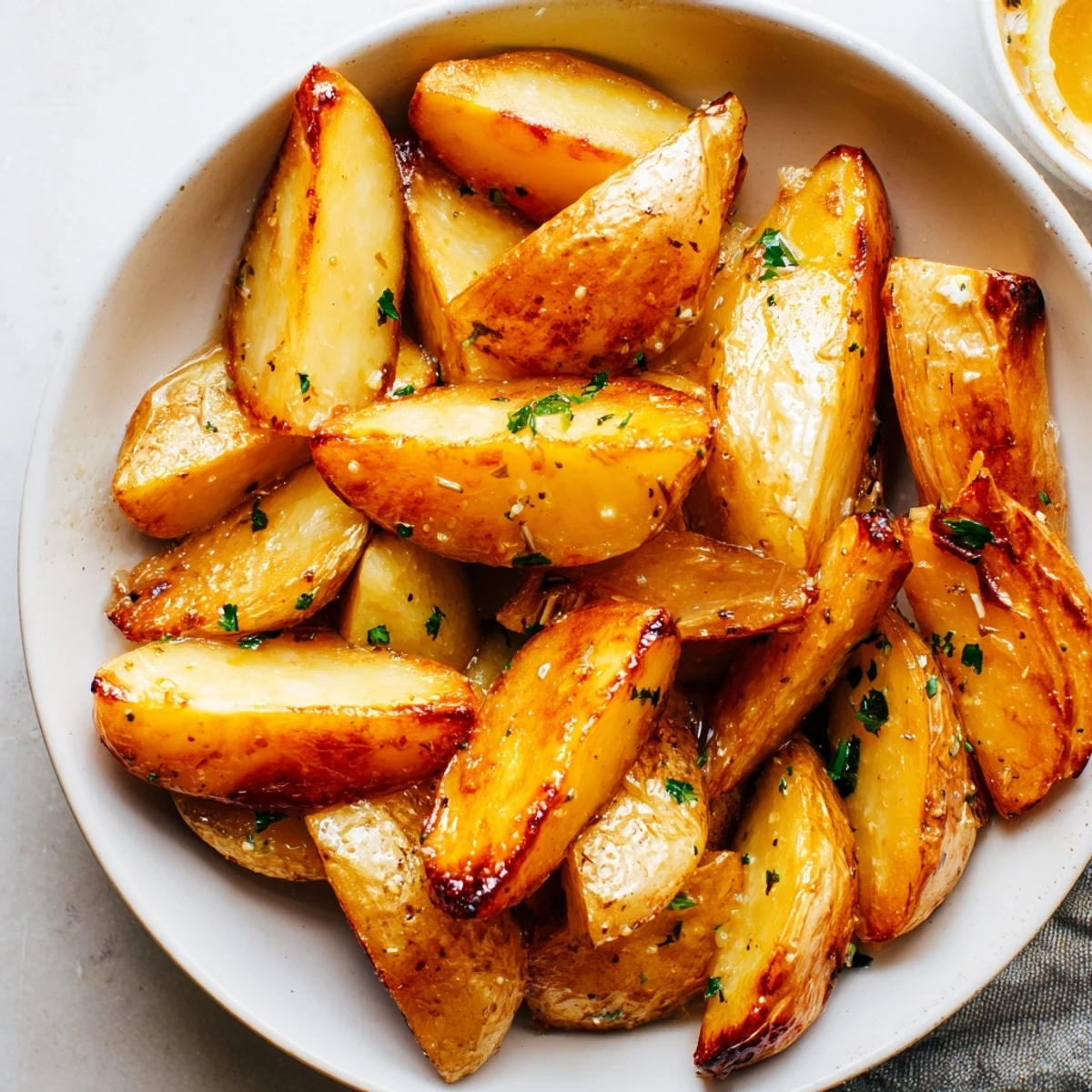
 With juicy lemon, herby warmth, and potatoes that beg to be eaten straight from the pan, this dish is one I make when I want something easy, bright, and sure to please. Your kitchen will smell fantastic, and every bite is a tiny trip to Greece.
Recipe Questions & Answers
- → Which potato variety works best?
-
Yukon Golds are ideal for their creamy interior and thin skins that crisp nicely. Russets will also crisp but can be drier; red potatoes hold shape well but are less fluffy.
- → How do I get extra-crispy edges?
-
Allow most of the cooking liquid to reduce, then increase the oven to 425°F for the final roast. Turning the wedges and broiling 2–3 minutes at the end concentrates heat for a crisper exterior.
- → Can I swap vegetable broth for something else?
-
Yes — chicken broth adds savory depth if not keeping it vegetarian. For a lighter finish, use water with an extra splash of lemon juice and oil.
- → Should I peel the potatoes?
-
Peeling is traditional here for a tender interior and smooth wedges, but leaving skins on preserves nutrients and texture; adjust roast time if keeping skins on.
- → How long can I store leftovers?
-
Store cooled potatoes in an airtight container in the fridge for up to 3–4 days. Reheat in a hot oven or under a broiler to revive crisp edges rather than microwaving.
- → Any suggested finishing touches?
-
Sprinkle chopped fresh parsley and a squeeze of lemon. A light crumble of feta or a scattering of chopped olives complements the citrus and oregano beautifully.