
 Save to Pinterest
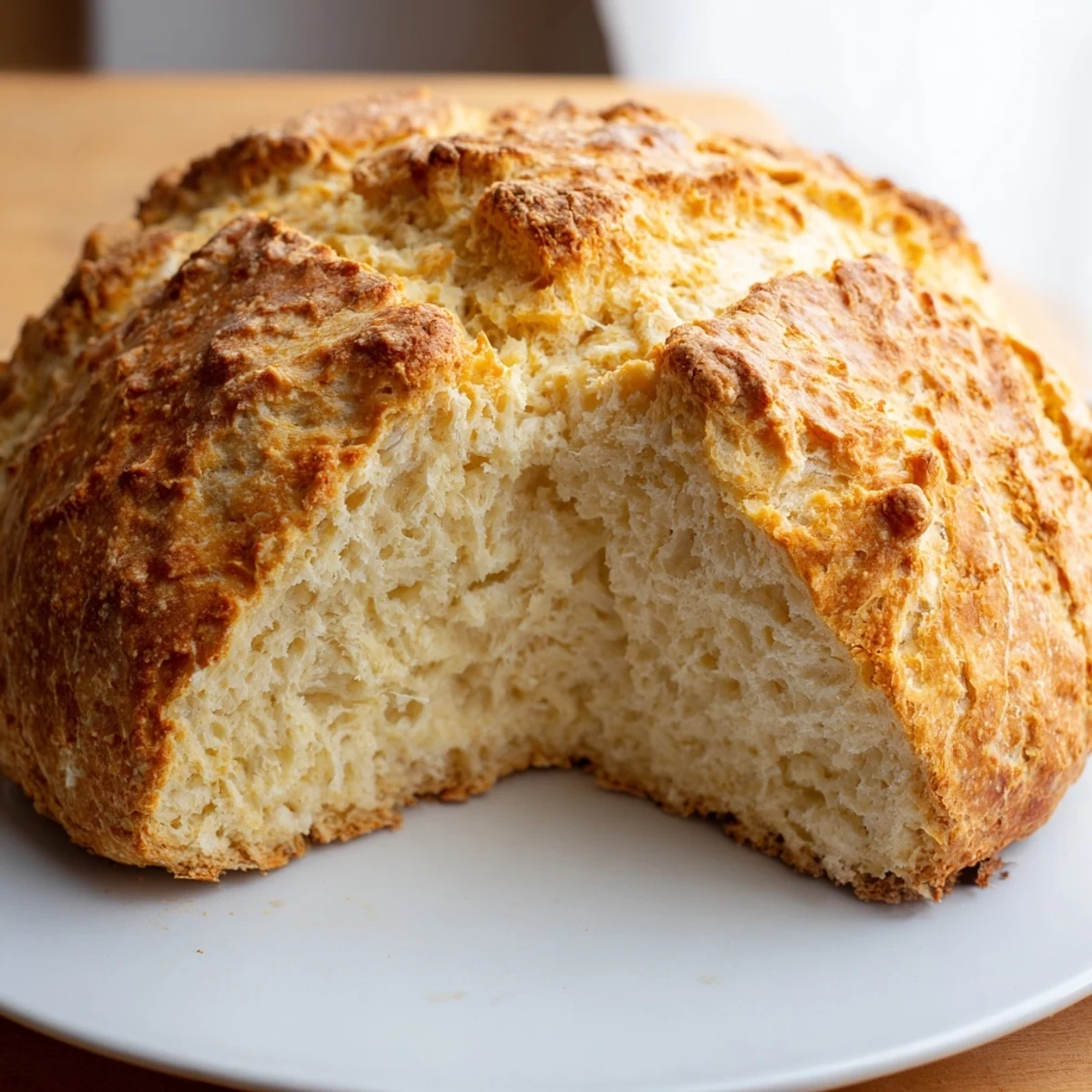
 This authentic Irish soda bread uses just four simple ingredients: flour, baking soda, salt, and buttermilk. Mixing is quick with no yeast involved, creating a tender crumb and golden crust in under an hour. A rustic loaf perfect for breakfast or a cozy meal companion, it’s easy to prepare and yields a flavorful, hearty bread that pairs wonderfully with butter or stews.
The rain was coming down sideways when I first learned to make soda bread in a tiny kitchen in County Cork. My neighbor Mary insisted that bread this simple shouldn't take more than ten minutes from cupboard to oven. She was right, and I've been making it this way ever since.
Last winter during that terrible snowstorm when the grocery shelves were empty, this recipe saved our dinner. My teenage kids actually asked for seconds, which never happens with store bought bread anymore.
Ingredients
- All-purpose flour: The foundation of everything, though I've discovered that bread flour gives an even better chew
- Baking soda: Don't skip measuring this precisely—too much leaves an awful aftertaste
- Fine sea salt: Coarse salt won't distribute properly and you'll end up with salty spots
- Buttermilk: The acidity activates the baking soda and creates that signature tender crumb
Instructions
- Get your oven ready first:
- Preheat to 425°F and line your baking sheet now because once that wet ingredient hits the dry, chemistry starts happening
- Whisk the dry ingredients together:
- Spend a full minute actually whisking—you want the baking soda and salt perfectly distributed through every cup of flour
- Make your well and pour:
- Create a deep crater in the flour mountain and pour in all the buttermilk at once, watching it pool like a milky lake
- Gather it gently:
- Use your hand to scoop and fold the mixture until it just holds together, counting to twenty and then stopping completely
- Shape and score:
- Pat into a rough round about two inches tall and cut that crucial cross deep enough to see the dough open up in the oven
- Bake until golden:
- Listen for the hollow sound when you tap the bottom—that's the secret signal your bread is done
 Save to Pinterest
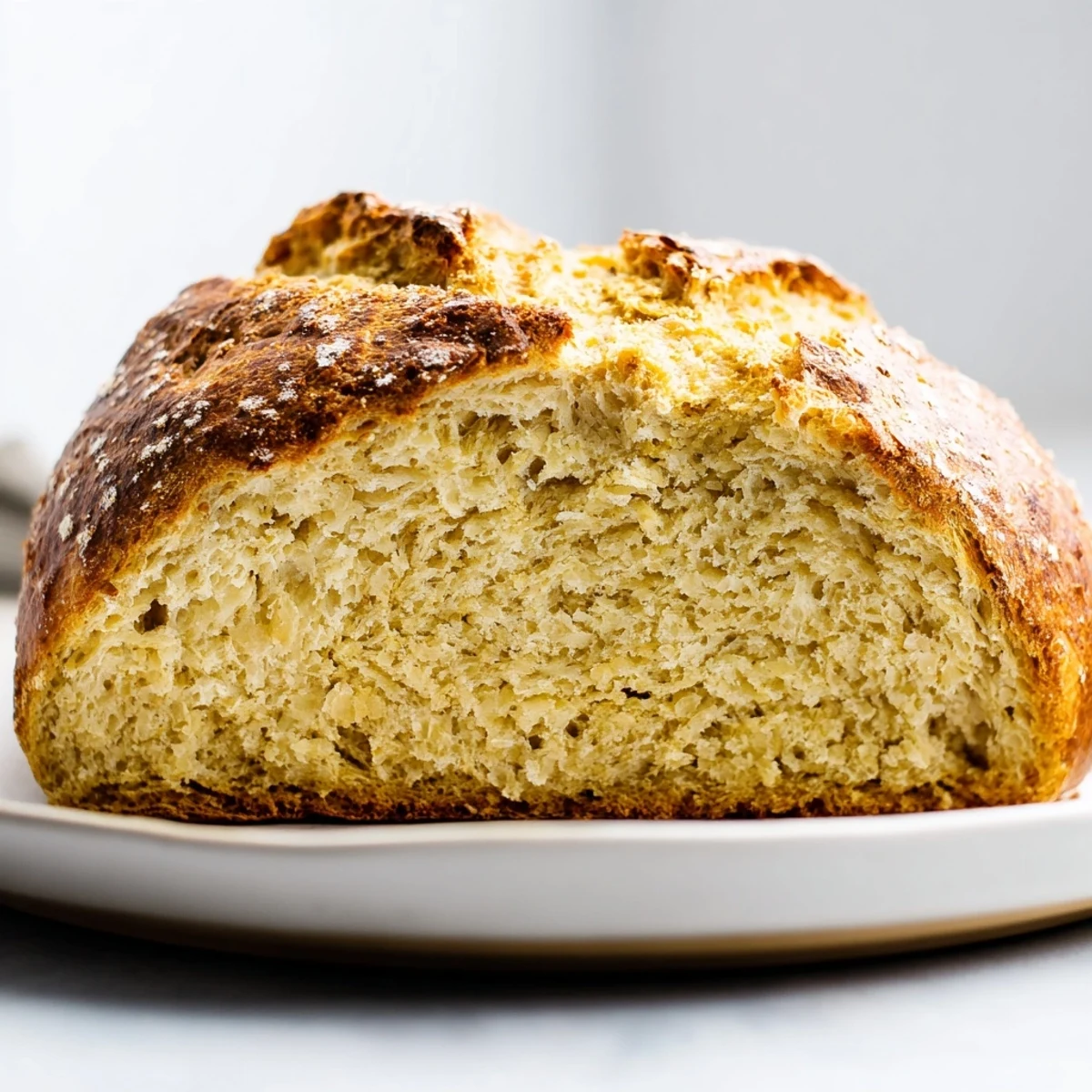
 My grandmother kept a warm loaf wrapped in a clean tea towel on her kitchen counter, and we'd slice thick pieces for breakfast before school. That butter melting into fresh warm bread is still one of my favorite memories.
Getting That Perfect Rise
The trick is working quickly once liquid meets flour. I learned the hard way that letting the dough sit on the counter kills the reaction. Have your pan ready and get it into the oven immediately.
When Your Buttermilk Goes Missing
I've been caught without buttermilk more times than I'll admit. Regular milk plus a splash of vinegar works in a pinch, but give it five minutes to curdle while you measure out everything else.
Serving And Storage Secrets
This bread is best eaten within hours, but that's rarely a problem in my house. The crust softens overnight, though toasting brings back some of that fresh baked texture.
- Wrap any leftovers in a clean cloth rather than plastic to prevent sogginess
- Day old soda bread makes incredible toast, especially with melted cheese
- Freeze extra loaves whole and reheat at 350°F for ten minutes
 Save to Pinterest
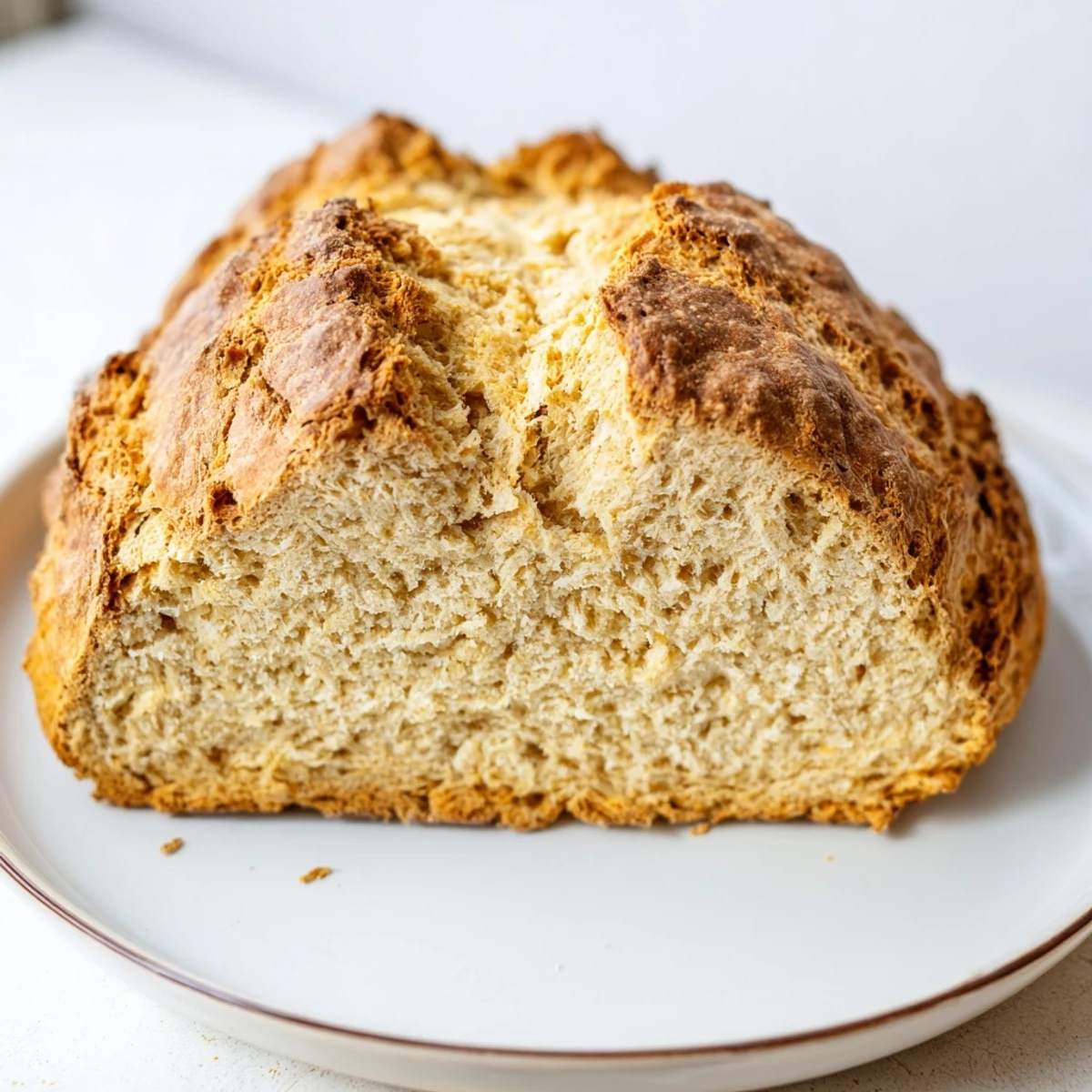
 There's something deeply satisfying about making real bread with your own hands in less than an hour. Serve it warm with good butter and you'll understand why this recipe has survived generations.
Recipe Questions & Answers
- → What makes this bread authentic Irish soda bread?
-
It uses traditional ingredients like baking soda as a leavening agent and buttermilk, delivering the classic texture and flavor typical of Irish soda bread.
- → Can I substitute buttermilk in this bread?
-
Yes, combine milk with lemon juice or vinegar and let it stand for 5 minutes to mimic buttermilk’s acidity for proper rising.
- → How do I know when the bread is baked perfectly?
-
The crust should be golden brown and the loaf sounds hollow when tapped underneath, indicating a fully baked center.
- → Is it necessary to knead the dough extensively?
-
No, the dough should just come together without over-kneading to maintain a tender crumb and avoid toughness.
- → Can I use whole wheat flour in this bread?
-
Yes, substituting half of the flour with whole wheat adds a richer flavor and a slightly denser texture.
- → What tools are essential for preparing this bread?
-
A mixing bowl, wooden spoon, baking sheet, and a sharp knife to score the dough are the primary tools needed.