
 Save to Pinterest
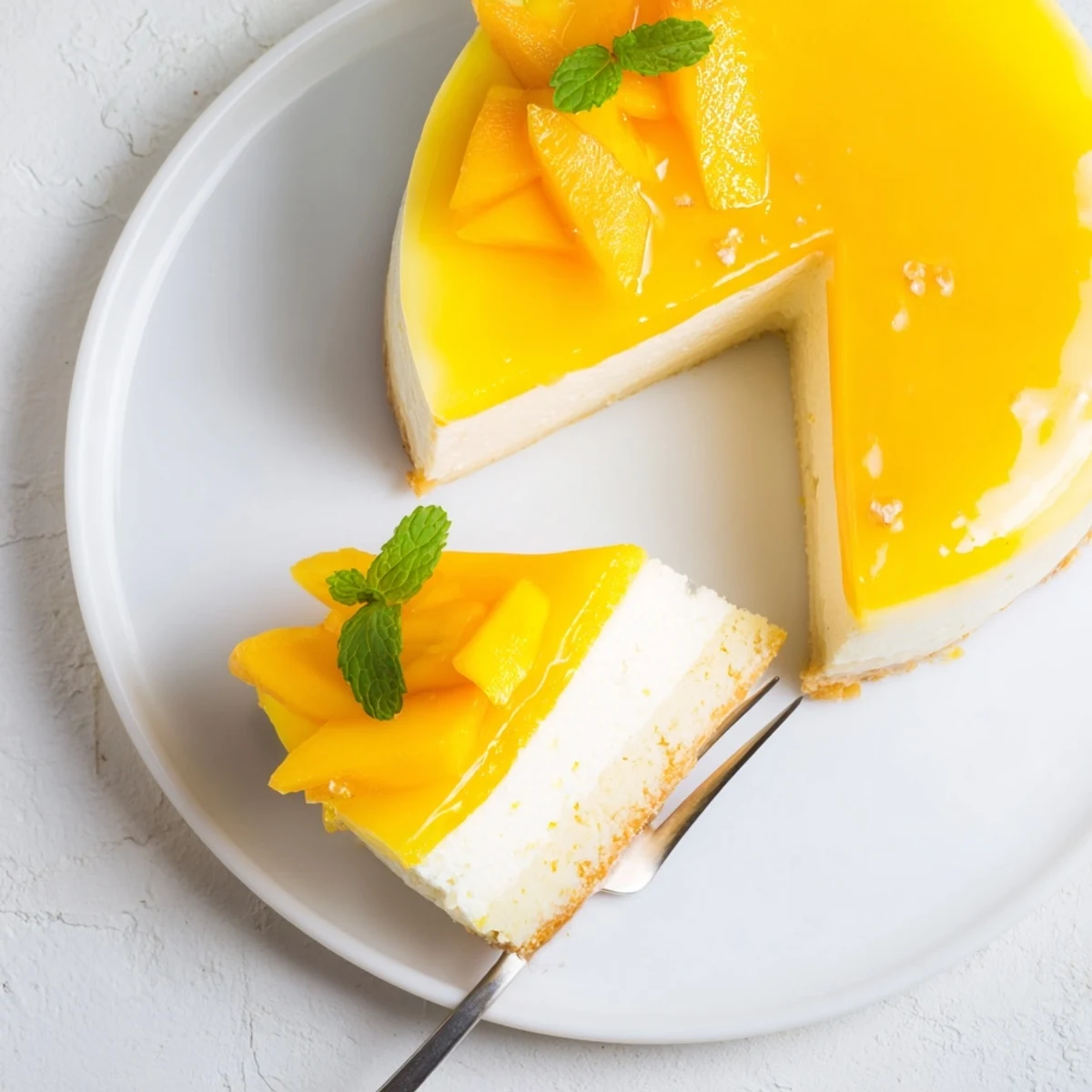
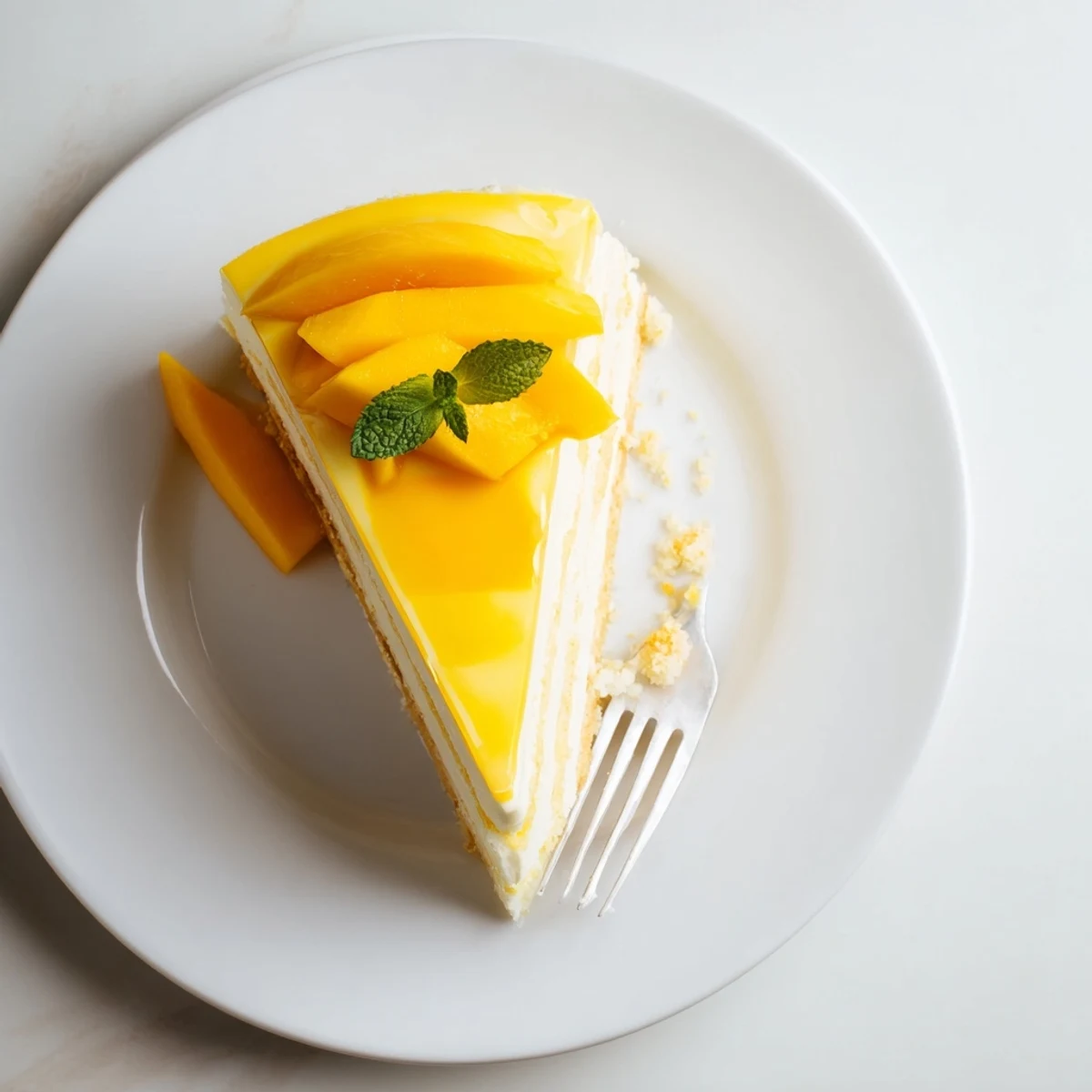
 This elegant mango mousse cake combines three delightful layers: a tender vanilla sponge base, airy mango mousse made with fresh mango puree and whipped cream, and a glossy mango glaze topping. The result is a refreshingly light dessert that balances tropical sweetness with creamy richness. Each slice offers velvety smooth textures and bright mango flavor, making it an ideal choice for warm weather gatherings and special occasions.
The first time I attempted mango mousse cake, I had three overripe mangoes staring me down and a summer dinner party in six hours. The glaze came out too warm and slid right off the mousse, leaving me with a half-dressed dessert and zero time to fix it. We ate it anyway, laughing as I called it my rustic mango creation. It taught me that patience matters as much as the ingredients themselves.
Last July, I made this for my sisters birthday instead of the usual chocolate cake. She took one bite and went completely silent, then asked if I could please add it to the permanent birthday rotation. Watching tropical sunshine bloom in the middle of winter feels like its own small rebellion against the cold.
Ingredients
- 3 large eggs, at room temperature: Cold eggs refuse to whip properly, so this detail matters more than you think
- 90 g granulated sugar: Just enough sweetness without overpowering delicate mango flavor
- 90 g all-purpose flour: The structure that holds your dreams aloft
- 1/2 tsp vanilla extract: A whisper of warmth that balances the bright mango notes
- Pinch of salt: Because even desserts need a little contrast to shine
- 400 g ripe mango flesh, pureed: Two large mangoes should get you there, but three is insurance against insufficient yield
- 60 g granulated sugar: Mango sweetness varies, so taste your puree first
- 2 tbsp lemon juice: The secret that keeps mango tasting fresh rather than flat
- 1 tbsp unflavored gelatin powder: The invisible scaffold holding everything together
- 300 ml heavy cream, cold: Warm cream will not whip, so keep it chilled until the last possible second
- 150 g mango puree: Reserve some from your mousse batch or puree another half mango
- 1 tbsp lemon juice: Brightness that cuts through the richness
- 1 tbsp granulated sugar: Just a kiss of sweetness for the mirror top
- 1.5 tsp unflavored gelatin powder: Too little and your glaze slides, too much and it turns rubbery
- Fresh mango slices: The only garnish that truly belongs here
Instructions
- Bake your foundation:
- Preheat your oven to 180°C (350°F) and line the bottom of a 23 cm springform pan with parchment paper. Beat eggs and sugar until they turn pale and triple in volume, which takes about five full minutes of electric mixer attention. Fold in flour, salt, and vanilla gently, then bake for 12 to 15 minutes until a toothpick tells you the truth.
- Work the gelatin magic:
- Sprinkle 1 tbsp gelatin over 3 tbsp cold water and let it bloom for five minutes while you puree your mango with sugar and lemon juice. Gently heat the bloomed gelatin until dissolved, then stir it into your mango base.
- Build the cloud:
- Whip your cold heavy cream to soft peaks, then fold it into the mango mixture with a rubber spatula and a light hand. Pour this sunshine over your completely cooled sponge base and refrigerate for at least two hours until firm enough to hold its own weight.
- Create the mirror top:
- Bloom your remaining gelatin in 2 tbsp cold water, dissolve it gently, and stir it into mango puree, lemon juice, and sugar. Let this cool to room temperature before pouring it over your set mousse, or it will melt right through all your careful work.
- Wait, then serve:
- Chill everything for at least two more hours until the glaze is firm. Run a knife around the edge of your pan, release the springform, and decorate with fresh mango slices like youre pinning medals on a champion.
 Save to Pinterest
 This cake has become my go-to for days when I want to impress people without telling them how embarrassingly simple it actually is. Theres something magical about slicing into those distinct layers and seeing surprise light up someones face.
Mango Selection Secrets
Ive learned that mangoes give up their best secrets when they yield slightly to gentle pressure. The red blush means nothing, so ignore it completely and focus on that sweet fragrance that should hit you before you even buy. Frozen mango works in absolute desperation, but fresh is the difference between good and unforgettable.
Making It Your Own
Coconut cream folded into the mousse takes this into full tropical territory, though the texture becomes slightly richer. A splash of rum in the mango puree makes this feel decidedly more adult for evening gatherings. The variations are endless once you understand the structure.
Timing Everything Right
This recipe teaches you more about patience than any other dessert Ive encountered. Each layer demands its own moment to set before the next can begin, so start this the morning before you plan to serve it.
- Make the sponge the night before and wrap it tightly
- Have all your equipment measured and ready before the cream warms up
- The glaze goes on last, never before the mousse is completely firm
 Save to Pinterest
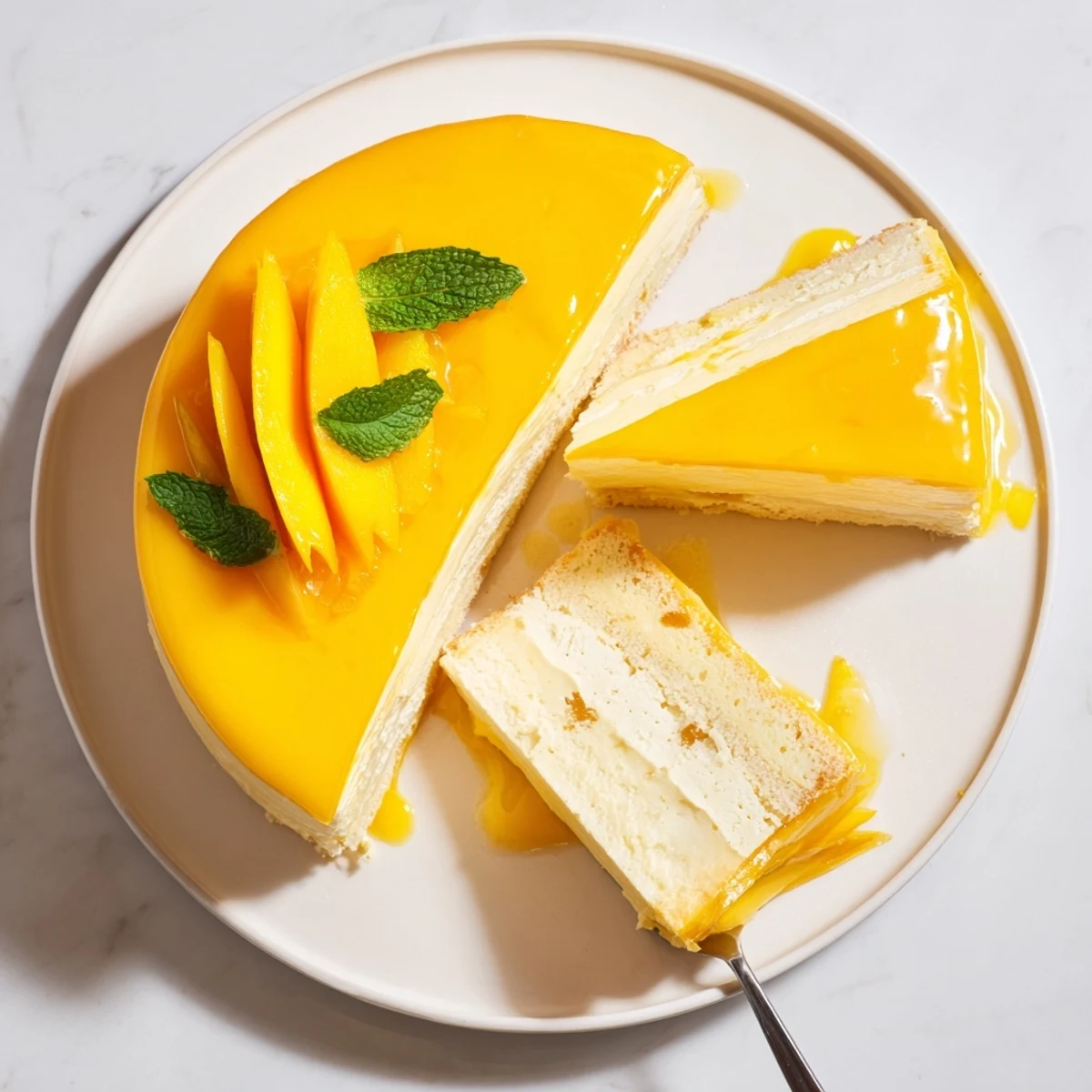
 Summer on a plate, no matter what month your calendar claims it is.
Recipe Questions & Answers
- → Can I make this mango mousse cake ahead of time?
-
Yes, this dessert is perfect for preparing in advance. You can make the entire cake up to 2 days before serving and store it covered in the refrigerator. The flavors actually develop and improve after chilling overnight.
- → What if I can't find fresh mangoes?
-
Frozen mango chunks work beautifully when thawed and drained well. Alternatively, high-quality canned mango puree or pulp can be substituted for both the mousse and glaze layers without compromising taste or texture.
- → How do I know when the gelatin is properly bloomed?
-
Sprinkle the gelatin powder over cold water and let it sit for 5 minutes. It will absorb the liquid and become soft and spongy. This blooming step ensures the gelatin dissolves evenly and sets properly.
- → Can I make this dessert gluten-free?
-
Absolutely! Simply substitute the all-purpose flour in the sponge base with an equal amount of gluten-free flour blend. The rest of the ingredients are naturally gluten-free, making this an easy adaptation.
- → Why did my mousse turn out dense instead of fluffy?
-
The key is gently folding the whipped cream into the mango mixture. Overmixing will deflate the air bubbles and create a dense texture. Use a rubber spatula and fold just until combined, stopping as soon as you no longer see streaks of white cream.
- → How long should I chill each layer?
-
The mousse layer needs at least 2 hours to set completely in the refrigerator before adding the glaze. Once the glaze is poured, chill for another 2 hours minimum, though overnight chilling produces the cleanest slices when serving.