
 Save to Pinterest
 This rustic loaf combines aromatic fresh dill and creamy Gouda cheese into a crusty artisan-style bread made without kneading. The simple dough rests for 8–12 hours to develop flavor and texture before baking in a preheated Dutch oven that helps create a crisp golden crust. Perfect as a flavorful accompaniment to soups, salads, or sandwiches, this bread uses few ingredients and requires minimal active preparation, making it accessible for home bakers aiming for delicious homemade bread with unique herbal and cheesy notes.
The way my tiny apartment filled with the scent of baking Gouda and dill made it impossible to stay in bed. I had started this dough the night before, half convinced it would not work, and woke to something wild and bubbling in the bowl.
I brought this loaf to a friends housewarming, still warm from the oven, and watched it disappear in minutes while people tried to guess what made it so special. Something about tearing into that crackly crust together makes everything feel like a celebration.
Ingredients
- Bread flour: The higher protein content creates that beautiful chewy crumb structure that holds up to the cheese additions
- Salt: Do not reduce this amount as it balances the rich Gouda and bright dill flavors
- Instant yeast: No need to proof it separately, just whisk it in with your dry ingredients
- Gouda cheese: Dice it into small cubes rather than grating so you get distinct gooey pockets throughout the loaf
- Fresh dill: The vibrant flavor really shines here, but dried works in a pinch at half the amount
- Lukewarm water: Think bathwater temperature, about body warmth to wake up the yeast without killing it
Instructions
- Mix the base:
- Whisk together flour, salt, and yeast in a large bowl until everything looks evenly blended
- Add the good stuff:
- Stir in your diced Gouda and chopped dill until the cheese is coated in flour and distributed throughout
- Bring it together:
- Pour in the water and mix with a wooden spoon until you have a shaggy, sticky dough with no dry patches
- Let it work:
- Cover tightly and let rest at room temperature for 8 to 12 hours until doubled and bubbly on top
- Shape gently:
- Scrape onto a floured surface and fold edges toward the center a few times, then place seam side down on parchment
- Second rise:
- Cover loosely and let rest for 45 to 60 minutes while you preheat your oven with a Dutch oven inside at 450°F
- Bake covered:
- Lift the dough into the hot Dutch oven, cover, and bake for 30 minutes to create steam
- Finish with color:
- Remove the lid and bake another 15 minutes until deep golden brown, then cool completely before slicing
 Save to Pinterest
 My sister still talks about the Sunday I made three loaves because I could not believe how easy it was. We ate so much warm bread with butter that neither of us wanted dinner.
Choosing Your Cheese
Gouda melts beautifully while keeping its nutty character, but I have discovered that young Emmental creates those gorgeous cheese pulls you see in bakery windows. Aged Gouda will give you more intense flavor pockets, while young Gouda blends more seamlessly into the crumb.
Timing Your Bake
I love starting this dough after dinner cleanup so it can work overnight. There is something magical about waking up, turning on the oven, and having fresh bread with your morning coffee without any morning effort.
Storage And Serving
This bread is best eaten the day it is baked, ideally still slightly warm with salted butter that melts into those cheese pockets. If you manage to have leftovers, slice and freeze them in a sealed bag.
- Revive day old bread in a 350°F oven for 10 minutes
- The texture makes exceptional grilled cheese sandwiches
- Pair with tomato soup for the ultimate comfort meal
 Save to Pinterest
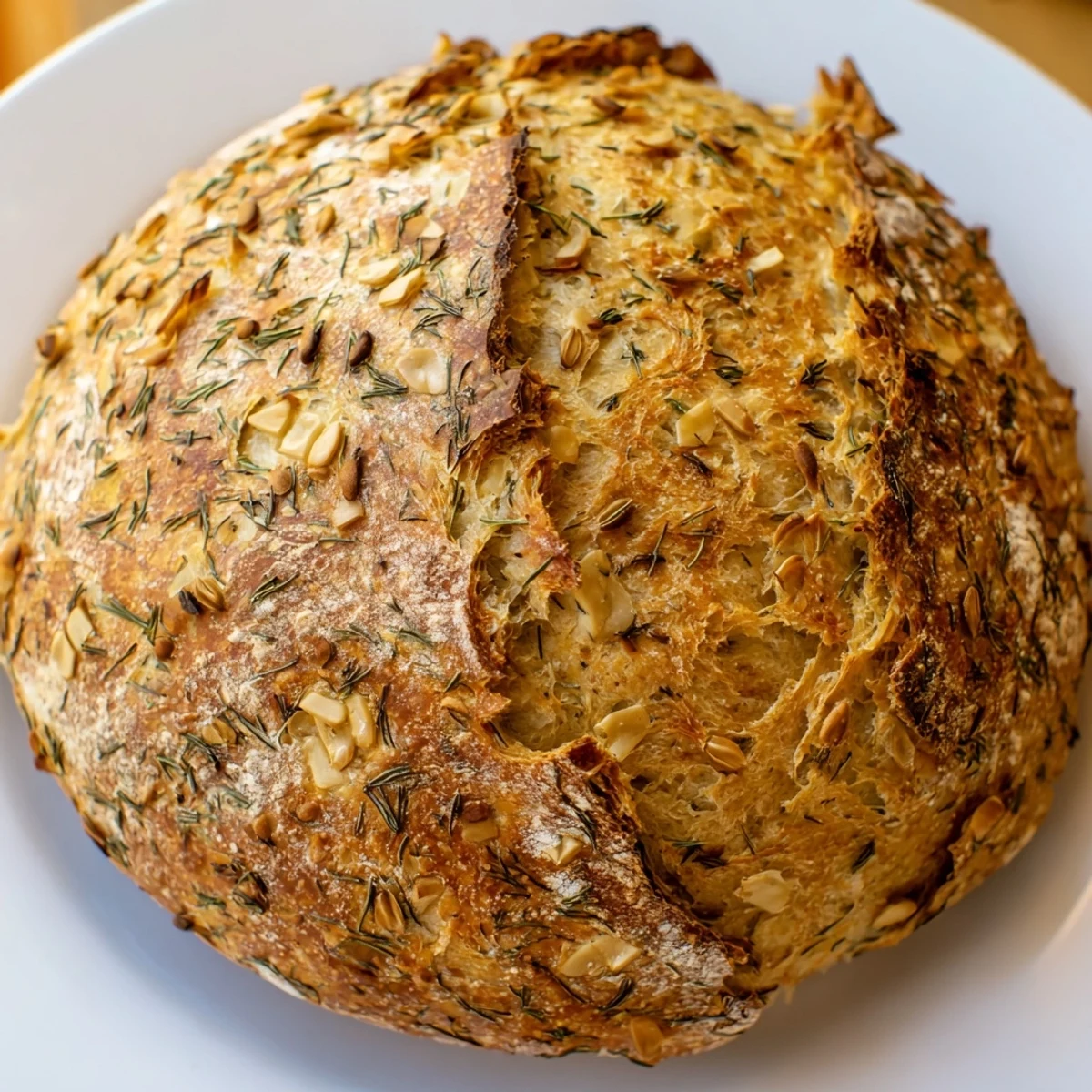
 There is nothing quite like the sound of a crackling crust as it cools on the rack.
Recipe Questions & Answers
- → What is the role of dill in the dough?
-
Dill adds a fresh, aromatic herbal flavor that complements the creamy Gouda, enhancing the bread’s overall taste without overpowering.
- → Can I substitute Gouda with other cheeses?
-
Yes, mild cheeses like Emmental or Cheddar work well and create interesting flavor variations while maintaining the moist, cheesy texture.
- → Why is the dough left to rest for 8–12 hours?
-
The long resting time allows the yeast to ferment slowly, improving texture and flavor, and eliminating the need for kneading.
- → What baking vessel is recommended?
-
A Dutch oven with a lid creates a humid environment that helps develop a crisp crust and even bake.
- → How should the bread be stored after baking?
-
Store the cooled loaf in a paper bag at room temperature for up to two days or freeze slices for longer preservation.