
 Save to Pinterest
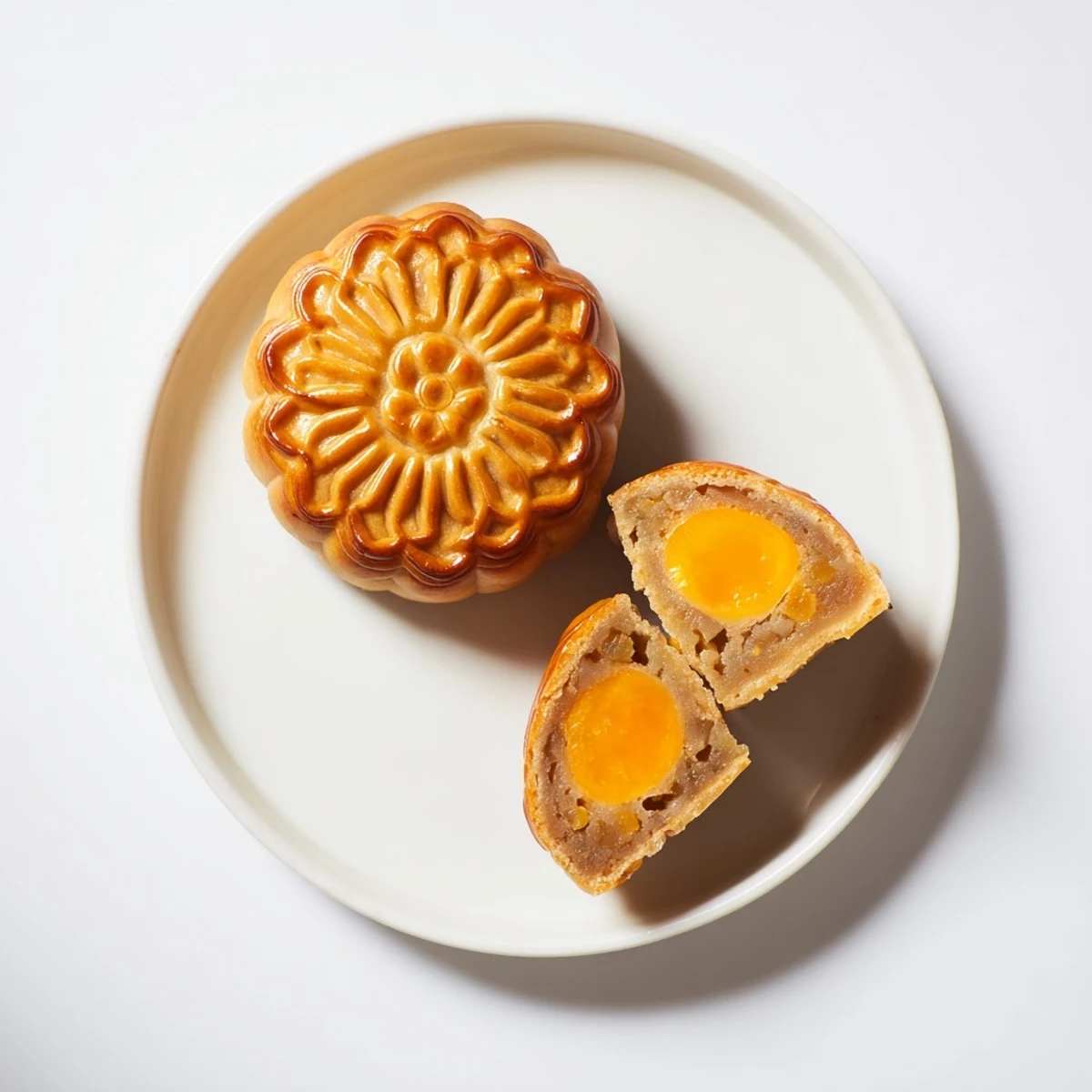
 Create these cherished Chinese delicacies with a golden syrup dough and sweet lotus seed filling. The traditional method involves resting the dough for optimal texture, wrapping paste around optional salted egg yolks, and using decorative molds to imprint classic patterns. After an initial bake, a gentle egg wash creates the signature glossy finish. Allow finished mooncakes to rest for 1-2 days, letting the skin soften and develop that characteristic tender texture. Pair with Chinese tea for the complete authentic experience.
The first time I attempted mooncakes, my kitchen turned into a sticky disaster zone with golden syrup coating everything except the actual dough. That was three Mid-Autumn Festivals ago, and I've learned that making these traditional treats is less about perfection and more about patience with the process.
Last year, my neighbor Mrs. Chen came over to help me shape the dough, and she showed me how her grandmother taught her to press the moldjust once, firmly and confidently. We drank tea while the mooncakes cooled, trading stories about our best and worst kitchen failures, and I realized that's exactly what this festival is about.
Ingredients
- 200 g all-purpose flour: Regular flour works perfectly here, no need to hunt for specialty pastry flour
- 120 g golden syrup: This thick amber syrup gives the dough its signature chew and beautiful color
- 50 g vegetable oil: A neutral oil lets the syrup shine without competing flavors
- 1 tsp alkaline water: The secret ingredient that gives mooncake skin its characteristic golden hue and springy texture
- 500 g lotus seed paste: Storebought paste saves hours, but if you're ambitious, homemade has an incomparably fresh flavor
- 12 salted egg yolks: These rich, savory centers create that stunning yin-yang contrast with sweet filling
- 1 egg yolk mixed with 1 tbsp water: A simple wash that transforms pale dough into glossy golden perfection
Instructions
- Prepare your workspace and oven:
- Preheat to 180°C and line a baking sheet with parchment paper, then clear a generous workspace for dough handling
- Make the mooncake dough:
- Whisk syrup, oil, and alkaline water until emulsified, then fold in flour until just combined and let it rest
- Prepare the filling centers:
- Divide paste into 12 portions, tuck a salted egg yolk into each, and roll into smooth balls
- Shape the mooncakes:
- Flatten dough discs, wrap each around a filling ball, press into a floured mold, and release onto your baking sheet
- Initial bake and glaze:
- Bake 5 minutes, cool 10, brush with egg wash, then return to oven until deeply golden
 Save to Pinterest
 My niece called me yesterday asking if I'd teach her to make mooncakes for her college roommates, and I found myself tearing up thinking about passing this tradition forward. These pastries carry so much more than lotus paste and egg yolks, they carry connection across generations and distances.
Choosing Your Mooncake Mold
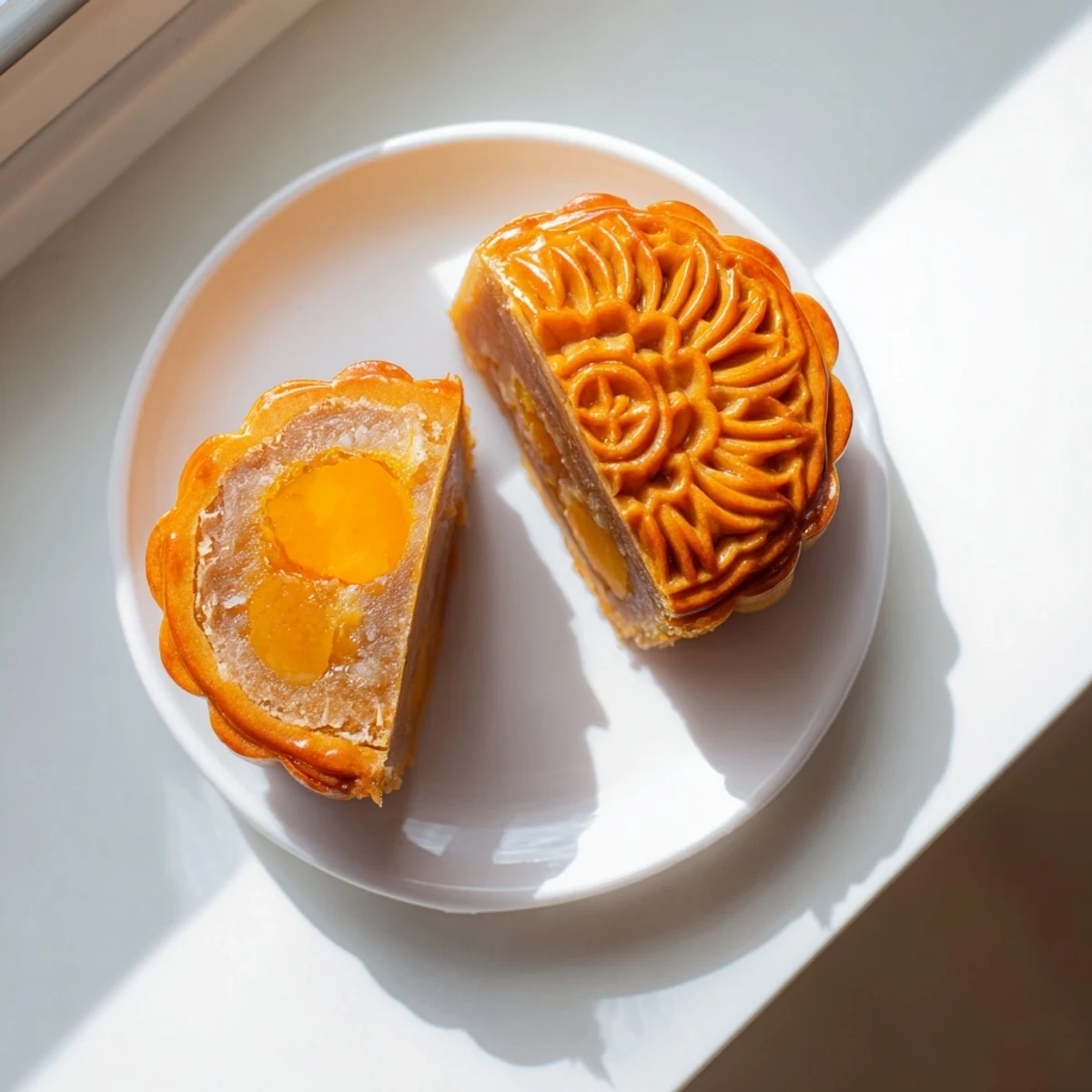
I started with a simple plastic press, but traditional wooden molds create those intricate designs that make mooncakes so photographable. Either way, dust generously with flour before each use or you'll spend five minutes coaxing a stuck mooncake out of its mold like I did that first year.
Working with Alkaline Water
This ingredient can be tricky to find, so I now keep a small bottle in my pantry year-round. A little goes a long way, and too much will make your dough taste strangely metallic and soapy, which is not the flavor profile we're aiming for in these delicate pastries.
The Art of Patience
Freshly baked mooncakes have a crisp, cookie-like texture that's lovely, but authentic mooncakes need that resting period to develop their signature tender skin. Think of it as a friendship between the dough and filling, they need time to get to know each other.
- Rush this step and you'll never achieve that bakery-quality softness
- Store in a cool, dark place, not the refrigerator, which dries out the pastry
- Share them within a week, because mooncakes are meant for community, not hoarding
 Save to Pinterest
 May your Mid-Autumn Festival be filled with warm pastries, good tea, and even better company.
Recipe Questions & Answers
- → What makes mooncakes special during Mid-Autumn Festival?
-
Mooncakes symbolize family unity and completeness during this harvest celebration. Their round shape represents the full moon, and sharing them embodies togetherness and reunion among loved ones.
- → Why must mooncakes rest after baking?
-
The resting period allows the pastry skin to soften and develop the characteristic tender, slightly chewy texture. Fresh mooncakes are firmer, while aged ones become more melt-in-your-mouth.
- → Can I make mooncakes without salted egg yolks?
-
Absolutely. Plain lotus seed or red bean paste versions are delicious and more common in many households. The salted yolk adds richness and a traditional contrast but isn't essential.
- → What is alkaline water and why is it needed?
-
Also called lye water, this alkaline solution helps achieve the golden-brown color during baking and contributes to the mooncake's distinctive tender texture and traditional flavor profile.
- → How long do homemade mooncakes stay fresh?
-
Stored in an airtight container at room temperature, mooncakes keep for 1-2 weeks. Their texture actually improves after a day or two as the pastry softens and flavors meld together.
- → What alternatives work for the filling?
-
Beyond traditional lotus seed paste, try red bean paste, black sesame, date paste, or even modern adaptations like custard or chocolate. Each brings unique flavors while maintaining the classic form.